wellness
Breathwork for Stress Relief in Toronto: 3-Minute Techniques
Toronto professionals use quick breathing exercises to reduce stress between meetings. Learn three-minute breathwork techniques wellness instructors recommend for downtown workers.
Listen in English · 3 min
How we reported this
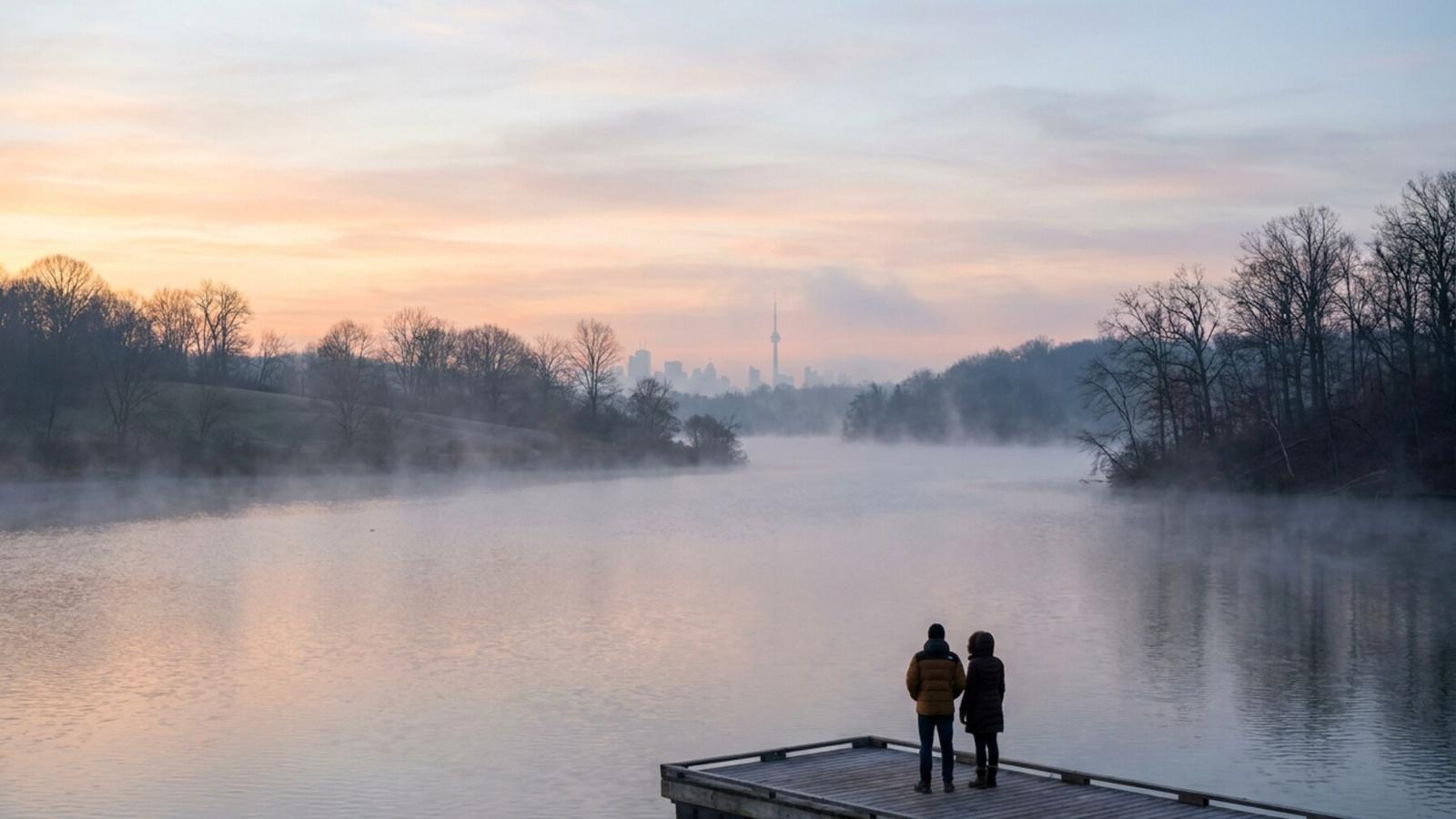
Torontonians facing midweek pressure points now use three-minute breath cycles to lower heart rates without leaving their desks or park benches. The shift comes as wellness instructors report rising requests for on-the-spot methods that fit between 9 a.m. meetings and 2 p.m. deadlines.
July heat and longer daylight hours push more people outdoors during lunch, where traffic on Lake Shore Boulevard and construction near Union Station add to daily tension. Local trainers note that workers who pause for controlled breathing before returning to screens show steadier focus through the afternoon rush.
Instructors at the Centre for Mindfulness Studies on Bloor Street have added drop-in breathwork slots that start at 12:15 p.m. on weekdays. Participants also meet along the 56-kilometre Waterfront Trail near Queens Quay, where certified guides lead standing sequences between the ferry terminal and the Martin Goodman Trail section.
Core sequences that fit a lunch break
The 4-7-8 pattern requires inhaling through the nose for four counts, holding for seven, then exhaling through the mouth for eight. A second method, box breathing, uses equal four-count segments of inhale, hold, exhale and hold, repeated four times. Both draw from programs tracked by the Canadian Mental Health Association, whose 2025 survey found 38 percent of adults in the Greater Toronto Area experience at least one stress spike before 3 p.m. each workday.
Classes at the High Park Nature Centre cost $18 per session and run through the end of August, with mats supplied on the south lawn near Grenadier Pond. Participants track progress using a simple phone timer rather than apps that require subscriptions.
Next steps for daily use
Start with one cycle at the first sign of shoulder tightness, then repeat once more before returning to tasks. Residents who practise near the Sunnyside Pavilion report carrying the technique into evening commutes on the 501 streetcar line. Those seeking longer support can join the next eight-week series at the University of Toronto’s Hart House, which begins registration on 15 July for $120.