Toronto Startup Wins $47 Million City Hall Digital Infrastructure Contract
CityFlow Analytics has secured a $47 million deal to overhaul Toronto's traffic and transit systems-and it could reshape how the city manages its sprawling downtown core.
CityFlow Analytics has secured a $47 million deal to overhaul Toronto's traffic and transit systems-and it could reshape how the city manages its sprawling downtown core.

Listen to this article · 3:31
For years, Toronto's downtown transportation network has operated like a patchwork quilt: traffic signals on King Street West don't talk to streetcar systems on Queen, parking data doesn't sync with TTC real-time information, and cyclists navigating the Bloor bike lanes have no integrated way to predict congestion. That fragmentation is about to change, thanks to a Leslieville-based software company that just became the backbone of Toronto's digital city infrastructure.
CityFlow Analytics, founded in 2021 by a team of former Shopify and Sidewalk Labs engineers, has landed what insiders are calling the most significant government technology contract in Toronto's history. The multi-year, $47 million agreement with the City of Toronto will integrate traffic management, transit operations, and parking systems across the entire 630-square-kilometre municipality-a technical feat that has eluded city planners for over a decade.
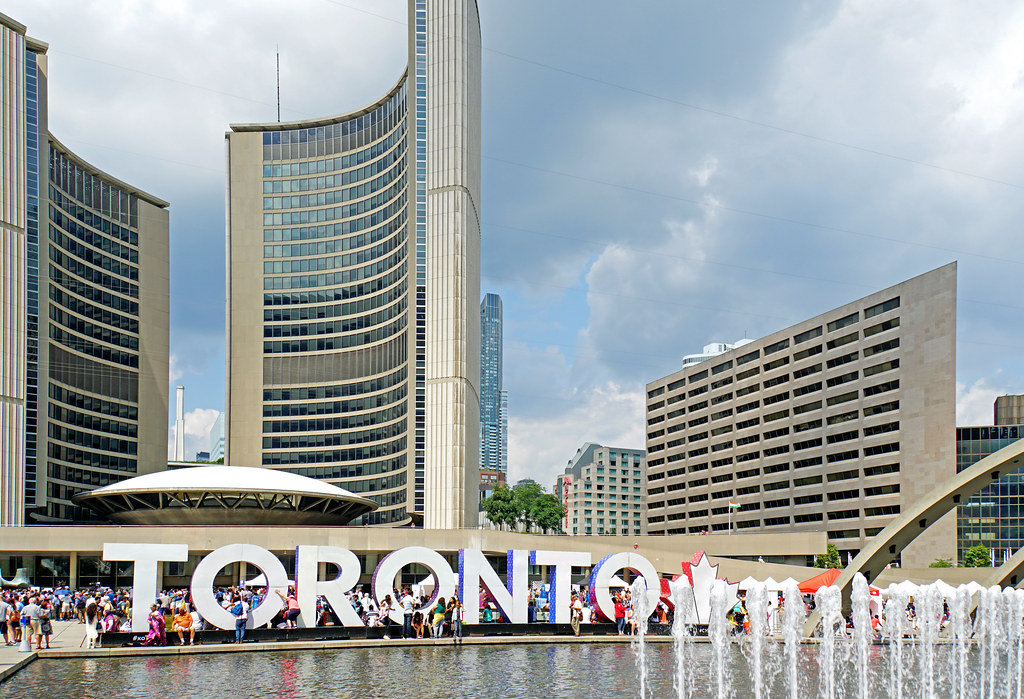
The contract, announced quietly in May at Toronto City Hall, tasks CityFlow with building a unified digital nervous system that will feed real-time data from 2,400 traffic signals, 1,900 TTC vehicles, and 15,000 parking sensors into a single, AI-powered platform. That platform will eventually allow city officials to predict traffic bottlenecks, optimize streetcar scheduling, and guide drivers to available parking in real time.
What makes CityFlow's approach different from failed smart city initiatives is its focus on incremental, neighbourhood-by-neighbourhood deployment rather than a massive citywide rollout. The first phase targets the King West entertainment district and the Richmond Hill-Adelaide corridor, two of downtown Toronto's most congested areas. Success there could unlock additional contracts with other Canadian municipalities watching from the sidelines.
The startup has already raised $23 million in Series A funding from venture firms including 1Password's co-founder and Georgian Partners, a venture capital firm with deep roots in the Toronto tech community. Experts suggest this contract could position Toronto as a model for North American cities grappling with the same transportation challenges as New York, Los Angeles, and Vancouver.
For commuters, the payoff could be significant. CityFlow's internal testing suggests the integrated system could reduce average downtown commute times by 12 percent and cut carbon emissions from idling vehicles by roughly 8 percent. For the city, it offers a chance to modernize aging infrastructure without starting from scratch-and to reclaim some control over the vast amounts of urban data currently scattered across dozens of municipal systems.
This article was compiled by AI and screened before publishing. See our editorial standards.
How does this story make you feel?
Spread the word
About this article
Published by The Daily Toronto
Daily brief
Free, in your inbox before 7am. Weekdays.
More in tech