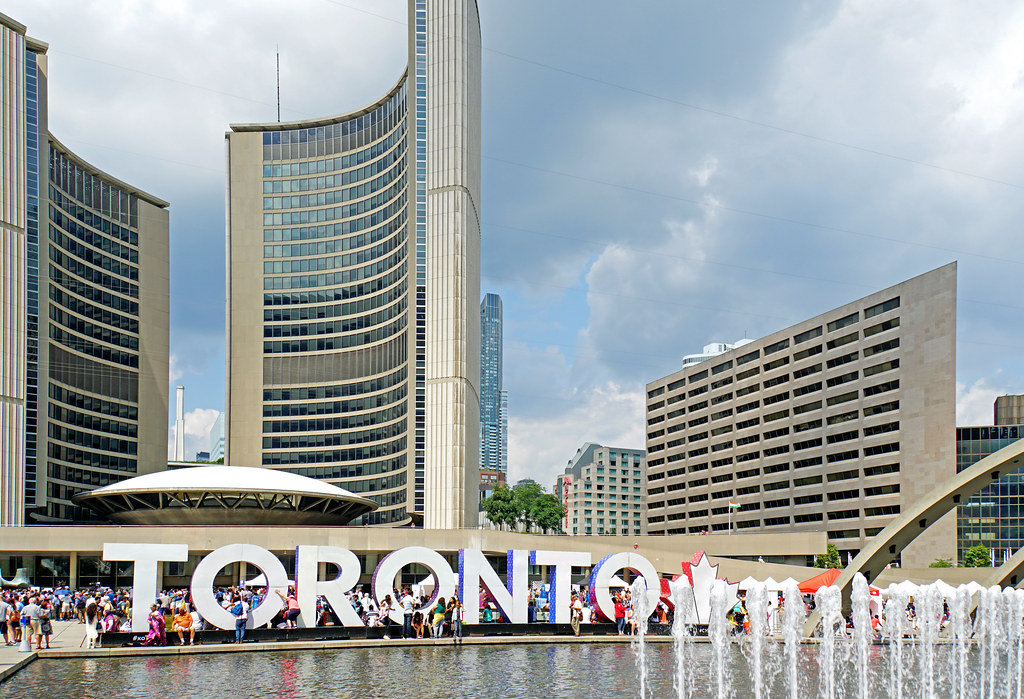
Toronto's cybersecurity sector is preparing for a pivotal inflection point. As federal privacy legislation tightens and corporate data breaches hit record costs-averaging $5.9 million per incident in Canada this year-local innovators along the King West corridor and in emerging hubs like the Distillery District are unveiling ambitious product roadmaps designed to reshape how enterprises defend themselves.
The convergence of artificial intelligence and security infrastructure has become the dominant theme. Several Toronto-based firms are integrating machine learning models that detect anomalous network behaviour in real time, moving beyond signature-based detection methods that cybercriminals routinely circumvent. These systems, slated for release throughout 2027, promise to cut response times from hours to minutes-critical in an environment where the average breach goes undetected for 204 days.
At the Toronto Metropolitan University Innovation Hub in the St. James Town neighbourhood, researchers are collaborating with private-sector partners on zero-trust architecture-a security model that assumes every access request, whether internal or external, requires verification. Industry observers expect commercial offerings to mature significantly in the coming 18 months, addressing a gap that has exposed organizations across finance, healthcare, and government.
Regulatory pressure is accelerating development timelines. Ottawa's proposed updates to the Personal Information Protection and Electronic Documents Act (PIPEDA) will impose stricter breach notification requirements and higher penalties for negligence. Toronto firms are racing to build compliance-first solutions that automatically audit data flows and generate audit trails-features that will become table stakes rather than differentiators by 2028.
The talent pipeline supporting this innovation remains robust. Toronto's tech workforce grew 12 percent last year, with cybersecurity roles commanding salaries between $95,000 and $180,000 for mid-level engineers. Companies headquartered in the downtown core and along the Bloor-Yorkville corridor report strong recruitment momentum, though competition from Silicon Valley remains fierce.
Privacy-preserving technologies-particularly homomorphic encryption and secure multi-party computation-represent the longer-term frontier. These tools allow organizations to process sensitive data without exposing raw information, a capability that resonates with healthcare providers, financial institutions, and government agencies concentrated across the GTA. Commercial viability remains 18 to 24 months away, but early adopters are conducting pilot projects.
For Toronto's cybersecurity ecosystem, 2027 marks a transition from incremental improvements to fundamental architectural shifts. The question isn't whether these tools arrive-it's whether local companies can scale and capture market share before international competitors establish dominance.
This article was compiled by AI and screened before publishing. See our editorial standards.