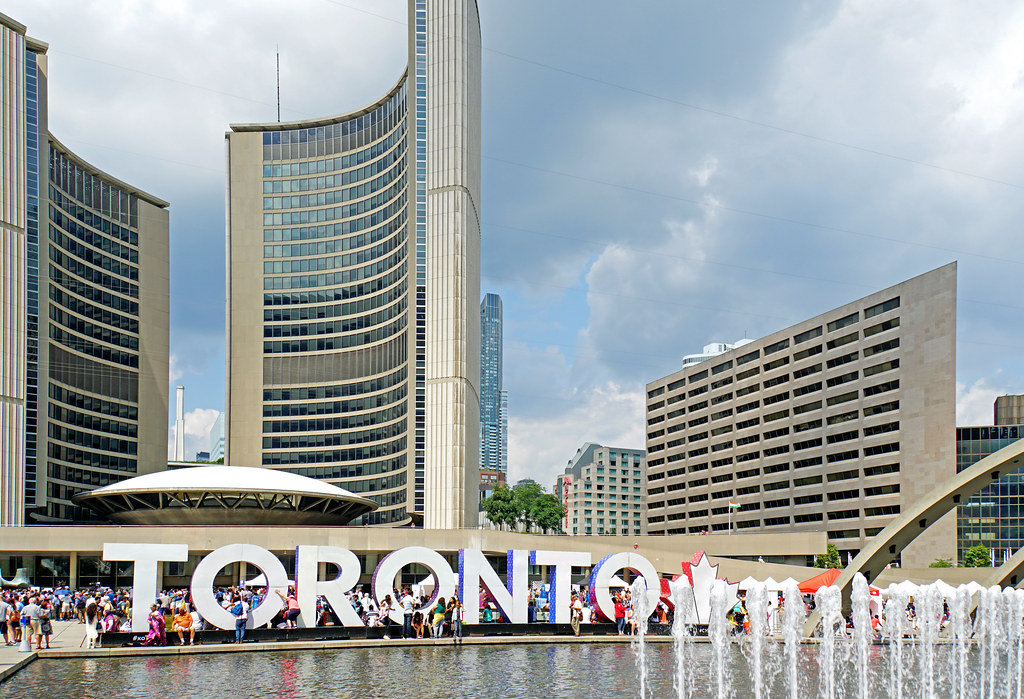
Walk through the glass-fronted office towers along King West or venture into the converted warehouses of the Distillery District, and you'll find something rare in the global tech landscape: a startup ecosystem that treats privacy not as an afterthought, but as a founding principle.
Toronto's cybersecurity and digital safety sector has quietly become distinctive globally-not because of venture capital size or unicorn valuations, but because of something more fundamental: a cultural commitment to building security and privacy into products from day one, rather than bolting them on later.
That ethos reflects the city's particular history. Home to more than 280,000 immigrants and a significant Chinese-Canadian population, Toronto has long grappled with real questions about digital surveillance, data rights, and cross-border information flows. The stakes feel immediate here in ways they don't everywhere.
"Toronto companies aren't just selling security tools," says the city's tech ecosystem. "They're selling trust in an era when trust is evaporating." Organizations like the Toronto Innovation Institute and the Cybersecurity Innovation Network, based in the city's MaRS Discovery District, have spent years developing frameworks that bridge technical expertise with policy influence.
The numbers tell part of the story. Toronto's cybersecurity sector generates roughly $4.2 billion in annual revenue, with firms like Absolute Software (now based primarily downtown) pioneering endpoint security. But more importantly, the city has become a testing ground for privacy-by-design methodologies that are now being studied by regulators from Brussels to Singapore.
Recent geopolitical instability-particularly tensions between the U.S. and Iran that rippled through global supply chains, and the crypto volatility that rewarded those with robust digital security-has only intensified focus on what Toronto offers. Companies here have developed approaches to data sovereignty that work across jurisdictions, a skill increasingly valuable as nations retreat into competing digital blocs.
The city's universities, particularly the University of Toronto's computer science program, have fed this ecosystem with talent trained to think about security holistically. Meanwhile, Ryerson's engineering school and smaller firms clustered around the Queen West tech corridor continue experimenting with governance models that don't yet exist elsewhere.
As 2026 unfolds, with political and economic uncertainty worldwide, Toronto's distinctive approach-building security into culture rather than treating it as compliance overhead-is attracting attention from companies tired of reactive, expensive cybersecurity struggles. That's not the story usually told about Toronto tech. But it's increasingly the one that matters.
This article was compiled by AI and screened before publishing. See our editorial standards.