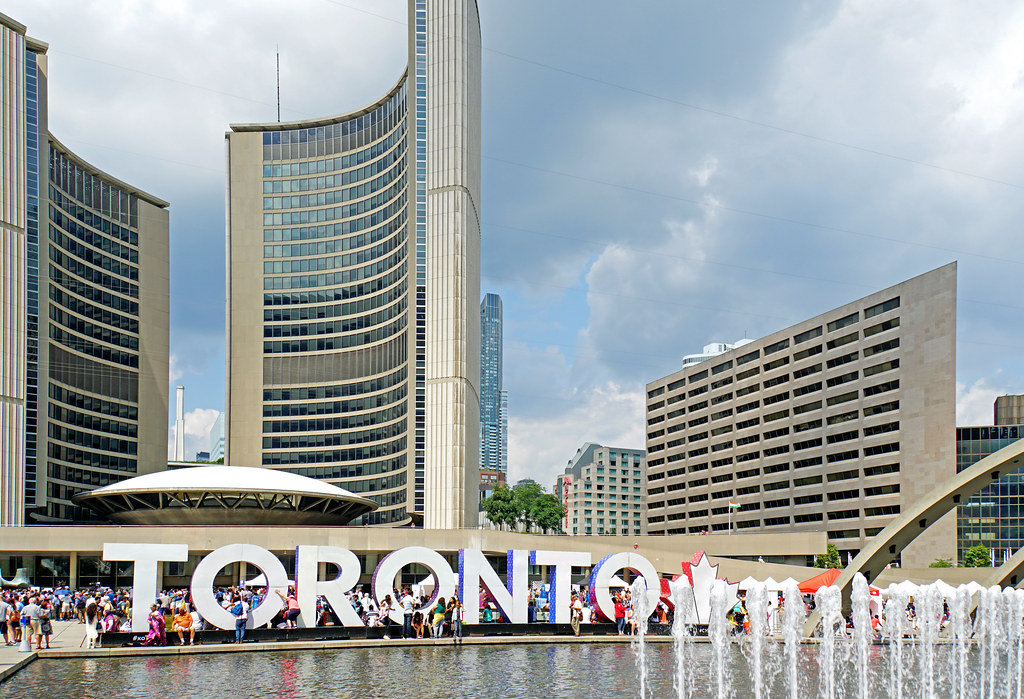
Toronto Smart City Surveillance: Privacy vs. Efficiency
Toronto's digital infrastructure expansion promises transit efficiency gains, but experts raise privacy concerns about sensor networks and data collection across the city.
Toronto's digital infrastructure expansion promises transit efficiency gains, but experts raise privacy concerns about sensor networks and data collection across the city.

Listen to this article · 3:48
Toronto has spent the better part of a decade positioning itself as a global innovation hub, from the Sidewalk Labs controversy to the emergence of AI clusters in the MaRS Discovery District. Now, as city planners accelerate digital transformation-smart traffic lights on University Avenue, real-time transit data integration, and sensor networks tracking everything from water usage to air quality-a critical question looms: at what cost?
The promise is tangible. The Toronto Transit Commission's ongoing digital overhaul could reduce commute times by an estimated 12 to 15 percent, according to internal projections. Real-time pothole detection systems are already piloting in parts of East York. Smart parking meters in the Entertainment District have trimmed the average search time for a spot from nine minutes to four. These aren't trivial improvements for a city of 2.9 million.
But beneath these efficiencies lies a thicket of ethical and security challenges that City Hall has yet to fully address. Smart city infrastructure generates vast amounts of personal data-where residents travel, when they shop, how they move through public spaces. Who owns this data? How long is it retained? What prevents municipal systems from being weaponized against vulnerable populations like the homeless communities around Dundas West or immigrant neighbourhoods in Thorncliffe Park?
The risks are not hypothetical. Cybersecurity researchers have demonstrated that poorly secured municipal networks invite attack. In 2024, ransomware struck city systems managing water treatment data. The cost of recovery: $3.2 million in public funds. Larger smart city networks only expand this attack surface.
Then there's the equity question. Digital transformation often reinforces existing disparities. Wealthier neighbourhoods like Rosedale gain faster Wi-Fi and optimized services first, while lower-income areas like Regent Park lag behind. And who benefits from the data economy these systems create? Tech companies harvesting insights from Toronto residents rarely reinvest profits locally.
City council has begun asking harder questions. In May, councillors requested an independent audit of data governance practices across municipal departments. Privacy advocates at organizations like the Canadian Civil Liberties Association have called for a city-wide digital rights charter before further rollout.
The challenge for Toronto is not whether to pursue smart city innovation-that ship has sailed-but how to do it responsibly. That means transparent data policies, genuine community consultation beyond token engagement, robust cybersecurity investment, and equitable deployment across all neighbourhoods. A smarter city means nothing if residents feel surveilled rather than served.
This article was compiled by AI and screened before publishing. See our editorial standards.
How does this story make you feel?
Spread the word
About this article
Published by The Daily Toronto
Daily brief
Free, in your inbox before 7am. Weekdays.
More in tech