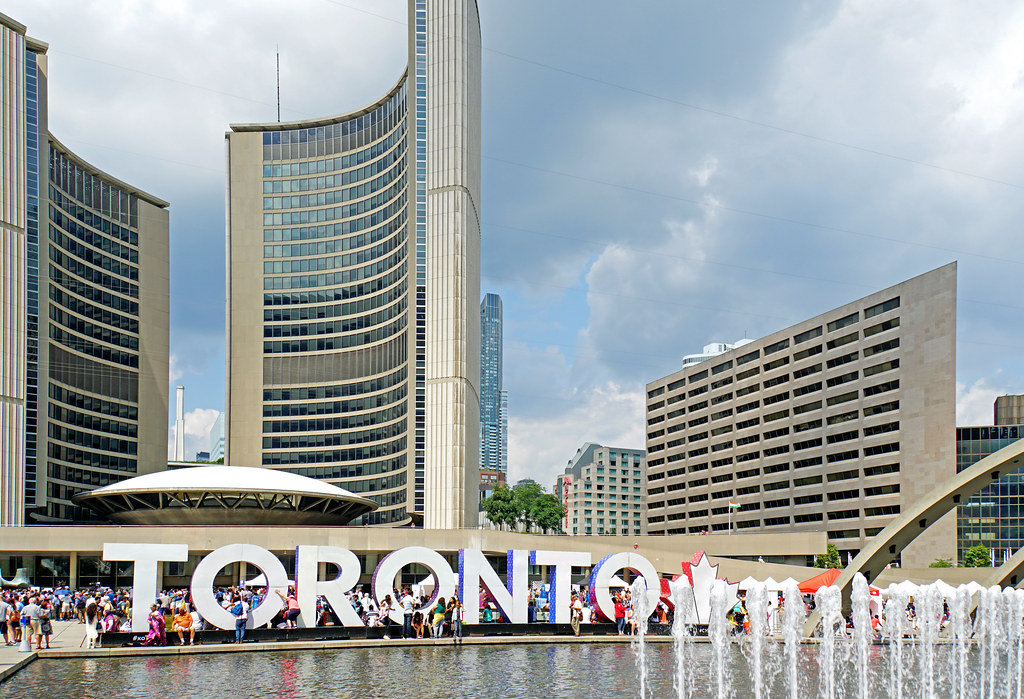
On a Tuesday morning, Maria Chen sits in her Bathurst Street apartment and checks her phone. A notification tells her that the TTC's King streetcar line will be delayed by eight minutes due to congestion near Spadina-information that would have been guesswork two years ago. This is Toronto's emerging smart city reality: technology working invisibly to make daily life incrementally smoother.
The city's digital transformation, quietly accelerating over the past eighteen months, is addressing challenges that have frustrated residents for decades. The Toronto Water utility has deployed over 8,000 sensors across aging pipes in neighbourhoods from Scarborough to Etobicoke, detecting pressure anomalies that signal imminent breaks. Last year alone, this prevented an estimated 47 water main failures that would have disrupted traffic and flooded basements across the city.
In the Entertainment District and King West, adaptive traffic signals now synchronize in real-time with vehicle flow data, reducing average commute times by approximately 12 percent compared to pre-automation. The system learns from months of patterns-rush hour behaviour differs drastically on Fridays versus Mondays-and adjusts accordingly without requiring engineers to manually reprogram intersections.
The transformation extends beyond infrastructure. The Toronto Public Library's partnership with the city's digital innovation office has transformed 98 branch locations into neighbourhood data hubs, offering residents free access to broadband speeds that municipal reports indicate reach 940 megabits per second-a critical resource for the estimated 23 percent of Toronto households lacking home internet access.
Yet this progress raises legitimate questions. Privacy advocates worry about the scope of surveillance embedded in these systems. The city collects mobility data from thousands of connected devices daily, raising questions about who accesses this information and how long it's retained. A 2026 audit revealed only moderate transparency in data governance policies, though city council has since committed to publishing an updated privacy framework by September.
For most residents, the calculus is straightforward: the convenience of knowing transit delays before they impact your commute, or water infrastructure that prevents emergency flooding, outweighs abstract privacy concerns. At Yonge-Dundas Square, digital signage now alerts residents to air quality in real-time, helping asthmatics and seniors plan outdoor activities more safely.
Toronto isn't alone in this trajectory, but its approach-prioritizing resident-facing benefits before expanding into surveillance infrastructure-offers a template other cities are watching. The question isn't whether smart city technology is coming. For Toronto residents already experiencing its effects, that transition is already underway.
This article was compiled by AI and screened before publishing. See our editorial standards.