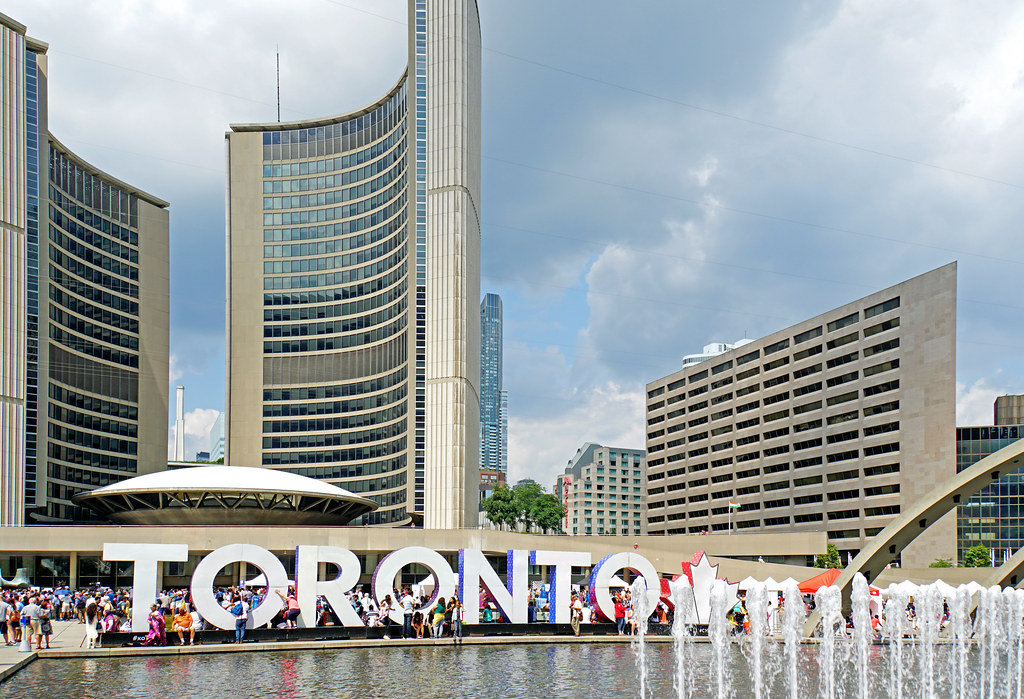
Toronto's Tech Boom Raises Critical Privacy and Security Concerns
As cybersecurity firms flourish in King West and Bay Street, residents and regulators grapple with the darker side of data protection-and who bears the real cost.
As cybersecurity firms flourish in King West and Bay Street, residents and regulators grapple with the darker side of data protection-and who bears the real cost.

Listen to this article · 3:51
Toronto's cybersecurity sector has become a glittering success story. Walk through the glass-fronted office towers of King West and you'll find dozens of companies offering protection from digital threats, their logos promising safety in an increasingly connected world. Yet beneath this prosperity lies a troubling paradox: the very tools designed to protect us create new vulnerabilities, and the ethics of how our data is handled remain murky at best.
The numbers tell a seductive story. Toronto's cybersecurity market has grown roughly 12 per cent annually over the past three years, with major firms like BlackBerry (headquartered in nearby Waterloo) and dozens of startups clustering around the downtown core. A typical enterprise-level security package in the city now costs between $15,000 and $50,000 annually-a price tag that puts robust protection out of reach for small businesses and individual residents across Scarborough, Etobicoke, and North York.
This affordability gap creates a two-tier system. Wealthy organizations and affluent individuals enjoy military-grade encryption and 24/7 monitoring, while the vast majority of Torontonians rely on free or cheap tools of questionable provenance. Meanwhile, the companies selling security solutions increasingly collect staggering amounts of user data-ostensibly to improve their services, but often with minimal transparency about where that information goes or how long it's retained.
The ethical minefield deepens when examining how these tools are deployed. Law enforcement agencies across Canada have access to surveillance technologies that security firms develop. Civil liberties groups have raised concerns about mission creep-systems justified for catching serious criminals gradually being applied to everyday enforcement. The balance between public safety and individual privacy remains unsettled, particularly as gentrification transforms neighbourhoods like Liberty Village and Parkdale, bringing digital infrastructure that wasn't there before.
Toronto's diversity compounds the challenge. Many newcomers and marginalized communities have legitimate reasons to distrust digital systems, given histories of discrimination and state overreach elsewhere. A cybersecurity solution imposed without their input risks becoming another tool of exclusion rather than protection.
Industry leaders in Toronto speak enthusiastically about blockchain-based solutions, decentralized networks, and privacy-first design. These innovations genuinely matter. But they're not silver bullets. The real work involves difficult conversations about who decides what privacy means, who profits from protection, and how we build systems that serve all of Toronto-not just those who can afford premium plans on Bloor West.
The promise of cybersecurity is real. So are the questions it raises. Until Toronto's tech community tackles both honestly, we're celebrating a victory that may come at hidden cost.
This article was compiled by AI and screened before publishing. See our editorial standards.
How does this story make you feel?
Spread the word
About this article
Published by The Daily Toronto
Daily brief
Free, in your inbox before 7am. Weekdays.
More in tech