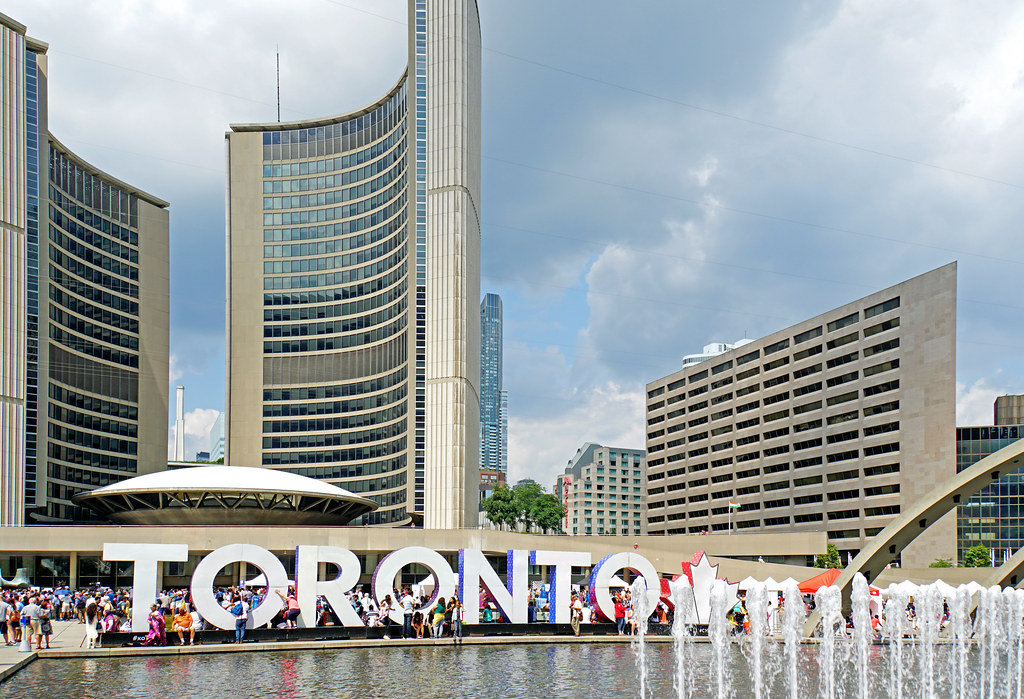
Toronto's Smart City Tech Transforms Parking, Transit, Street Safety
From parking to transit to street safety, digital infrastructure investments across the city are quietly transforming the mundane moments that define urban living.
From parking to transit to street safety, digital infrastructure investments across the city are quietly transforming the mundane moments that define urban living.
Listen to this article · 3:39
Walk down King West on a Tuesday evening, and you might not notice the sensors embedded in streetlights overhead. But they're working. The Internet of Things infrastructure now deployed across Toronto's downtown core is collecting real-time data on everything from pedestrian traffic patterns to air quality, feeding information back to city systems that adjust traffic signals, optimize waste collection routes, and alert residents to local hazards.
This is the lived reality of Toronto's ongoing smart city transformation-one that extends far beyond the high-profile Sidewalk Labs project that stalled years ago. Today's digital city initiatives are granular, practical, and increasingly visible in the everyday routines of residents across all neighbourhoods.
The impact on transportation has been particularly pronounced. The TTC's real-time vehicle tracking system, expanded significantly over the past two years, now covers 95 percent of the transit network. For commuters heading south on the Yonge subway line during morning rush hour, this means genuinely accurate arrival predictions-a small change that shaves minutes off daily planning. Meanwhile, Toronto Parking Authority's dynamic pricing system, introduced across downtown core zones and recently extended into the King West and Entertainment District corridors, has reduced the average time drivers spend circling for spots from 11 minutes to just over 7 minutes, according to city data.
Public safety applications are gaining traction too. The city's expanded CCTV network, now integrated with AI-powered analytics, has helped Toronto police respond faster to incidents in high-traffic areas like Yonge-Dundas Square and the Distillery District. Privacy advocates continue raising concerns about surveillance scope, but city council has maintained strict data governance protocols limiting retention periods and access.
Perhaps most tangible are neighborhood-level changes. In Ward 19 (Scarborough Southwest), smart water sensors deployed last year have cut residential water waste by approximately 12 percent, translating to modest savings on household utility bills. Street lighting in the PATH network has been retrofitted with motion-activated LED technology, improving both energy efficiency and pedestrian safety for the estimated 30 million annual PATH users.
The city's investment in this infrastructure-approximately $2.3 billion in the current capital budget cycle-represents a deliberate bet that incremental, distributed digital systems matter more than flashy innovation districts. Whether Toronto's approach proves sustainable depends on continued integration across siloed municipal departments and sustained public buy-in on the privacy tradeoffs involved. For now, residents are experiencing a city that responds, rather than merely contains them.
This article was compiled by AI and screened before publishing. See our editorial standards.
How does this story make you feel?
Spread the word
About this article
Published by The Daily Toronto
Daily brief
Free, in your inbox before 7am. Weekdays.
More in tech