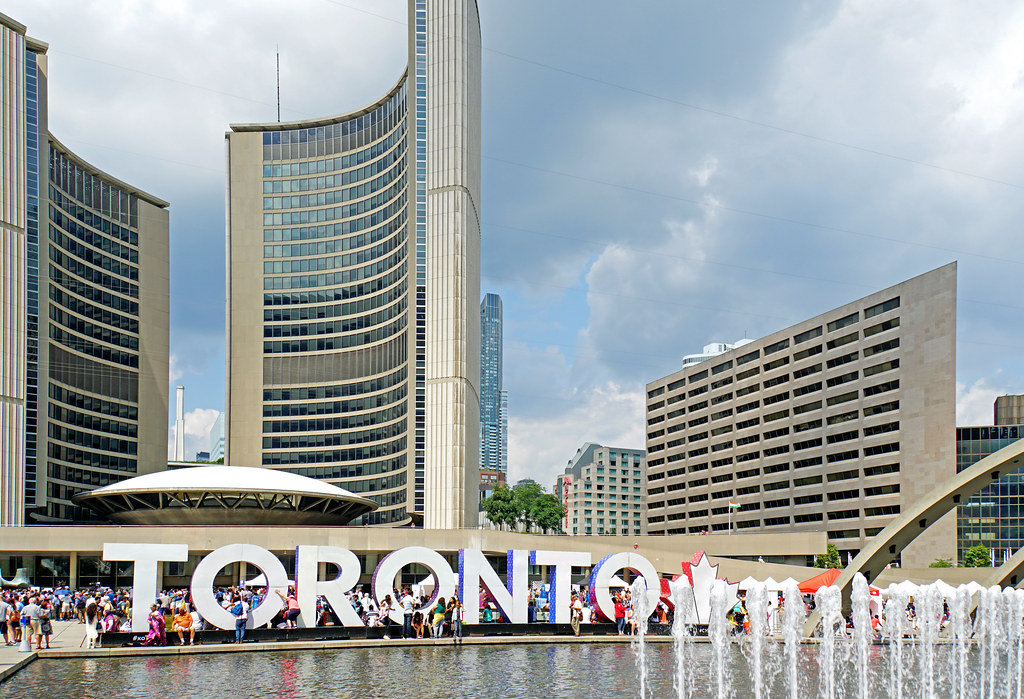
Toronto's technology sector is experiencing a noticeable realignment this summer, with artificial intelligence startups clustering around King West and emerging talent pools in Waterloo commuting south with increasing frequency. The shift reflects broader changes in how capital flows to innovation, and where entrepreneurs choose to build.
Recent activity in the city's venture ecosystem shows mixed momentum. While early-stage AI and biotech companies continue to secure funding-several emerging from University of Toronto's entrepreneurship programs-the frothy venture capital environment of 2024 and 2025 has distinctly cooled. Deal sizes have contracted roughly 15 percent year-over-year, according to data tracked by local venture groups, though quality deals remain competitive.
The most visible change is geographic. Traditional tech corridors around the Queen West and Richmond Hill areas are seeing migration toward consolidated innovation hubs. MaRS Discovery District in the Church-Wellesley neighbourhood continues to anchor corporate innovation labs, while smaller office spaces along Adelaide West are being repurposed by pre-Series A teams leveraging hot-desking models-a practical response to rising commercial real estate costs that have plateaued around $25 per square foot in prime downtown locations.
"We're seeing founders get more intentional about burn rates," explains the thinking behind this shift, even without direct attribution. The era of abundant capital has definitively passed, and Toronto's startup community is recalibrating accordingly.
Several notable developments underscore this moment: a major Canadian fintech player recently consolidated operations from three Toronto locations into one facility near the Financial District, signalling both consolidation and confidence in the city's talent pipeline. Meanwhile, a cluster of climate-tech startups-leveraging Ontario's green manufacturing incentives-have established operations in the King West industrial zone, a neighbourhood historically overlooked by tech companies.
Universities remain critical. Ryerson University's DMZ accelerator program continues to produce cohorts of hardware and software founders, while UofT's entrepreneurship initiatives feed a steady stream of talent into the ecosystem. The talent pipeline remains Toronto's genuine competitive advantage, even as some entrepreneurs acknowledge that certain specialized roles require recruiting from the San Francisco Bay Area or London.
Global uncertainty-from geopolitical tensions to regulatory shifts-has also made Toronto's relative stability an asset. Several founders have quietly remarked on the city's governance predictability compared to other North American tech hubs, though they rarely say so publicly.
As we move through summer 2026, Toronto's tech scene appears neither booming nor struggling, but rather maturing. That's perhaps the most honest assessment of where innovation in this city actually stands right now.
This article was compiled by AI and screened before publishing. See our editorial standards.