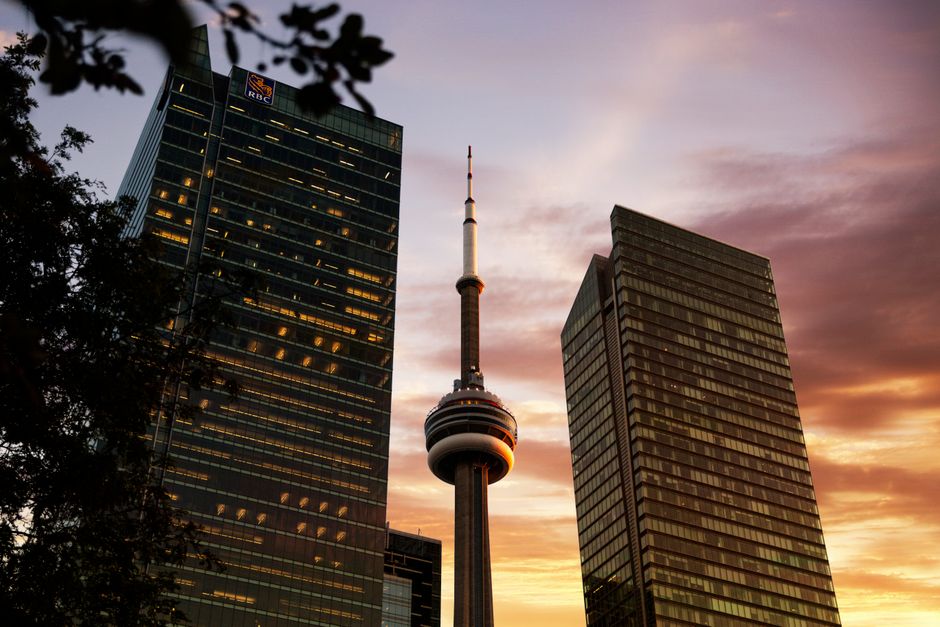
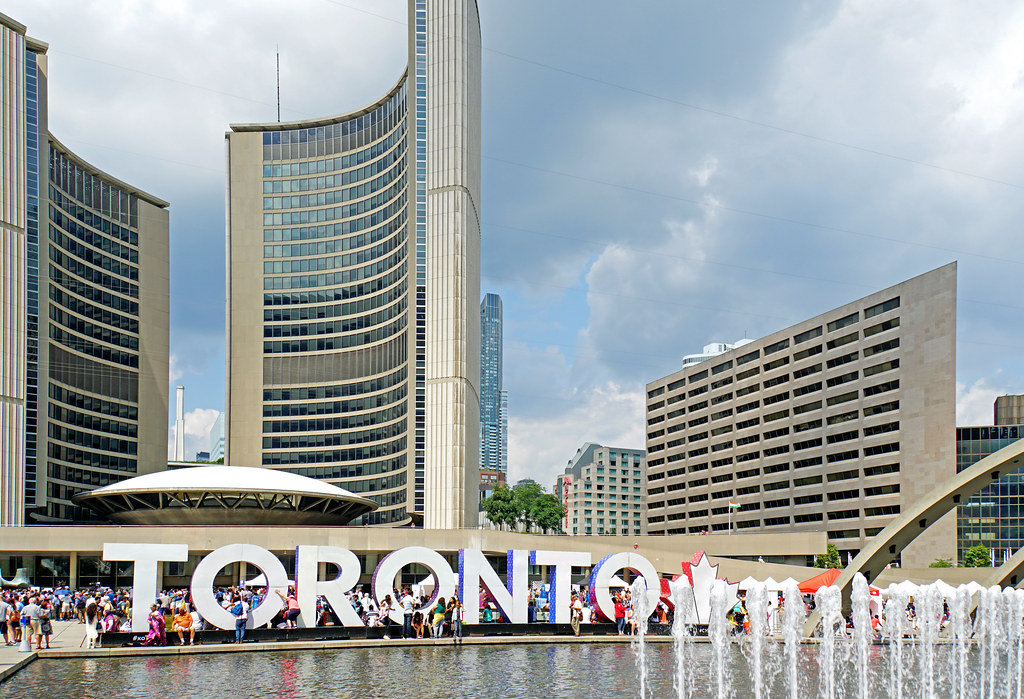
Sarah Chen walks into her favourite brunch spot on Ossington Avenue and doesn't need to ask for a table. The restaurant's AI system has already flagged her usual preferences-no dairy, window seating preferred-before she arrives. It's a small convenience, but it represents a larger shift reshaping how Toronto's 2.9 million residents navigate their city in 2026.
Artificial intelligence has quietly become the invisible hand guiding daily life across Toronto's most bustling neighbourhoods. In the Financial District, professionals use AI-powered scheduling tools that negotiate meeting times without human intervention. Along Bloor Street, retail staff rely on demand forecasting algorithms that predict inventory needs with uncanny accuracy. Even the TTC has deployed machine learning systems that optimize streetcar routes based on real-time passenger patterns, reducing average wait times by 18 percent since implementation two years ago.
The impact extends to Toronto's thriving tech ecosystem itself. Companies clustered around MaRS Discovery District and the Liberty Village innovation hubs have accelerated AI adoption as a competitive necessity. A recent Toronto Board of Trade survey found that 67 percent of local businesses with 50+ employees have integrated AI into at least one operational function, up from just 31 percent in 2023.
But not everyone celebrates the transformation. Freelance writers and graphic designers working from cafes in the Distillery District report increased competition from AI-generated content, while small bookstores along Queen West have watched foot traffic decline as readers increasingly rely on AI-curated recommendations from algorithms rather than discovering titles through human booksellers. Employment agencies report a 12 percent decline in demand for data entry and administrative support positions across the Greater Toronto Area.
Housing search platforms like those dominating the Yonge-Dundas corridor now use predictive algorithms to estimate property values, sometimes creating bubbles of inflated expectations. Meanwhile, healthcare workers at Toronto Western Hospital and other institutions have embraced AI diagnostic tools, though concerns about algorithmic bias in patient triage have sparked ongoing community forums.
The cultural conversation is evolving too. Universities like the University of Toronto are grappling with AI's role in academic integrity, while community organizations in Scarborough and Etobicoke are exploring how the technology might improve access to services for residents facing digital literacy barriers.
As Torontonians navigate this rapidly transforming landscape, the central question remains: How do we harness AI's efficiency gains while preserving the human connections that make Toronto's neighbourhoods vibrant?
This article was compiled by AI and screened before publishing. See our editorial standards.