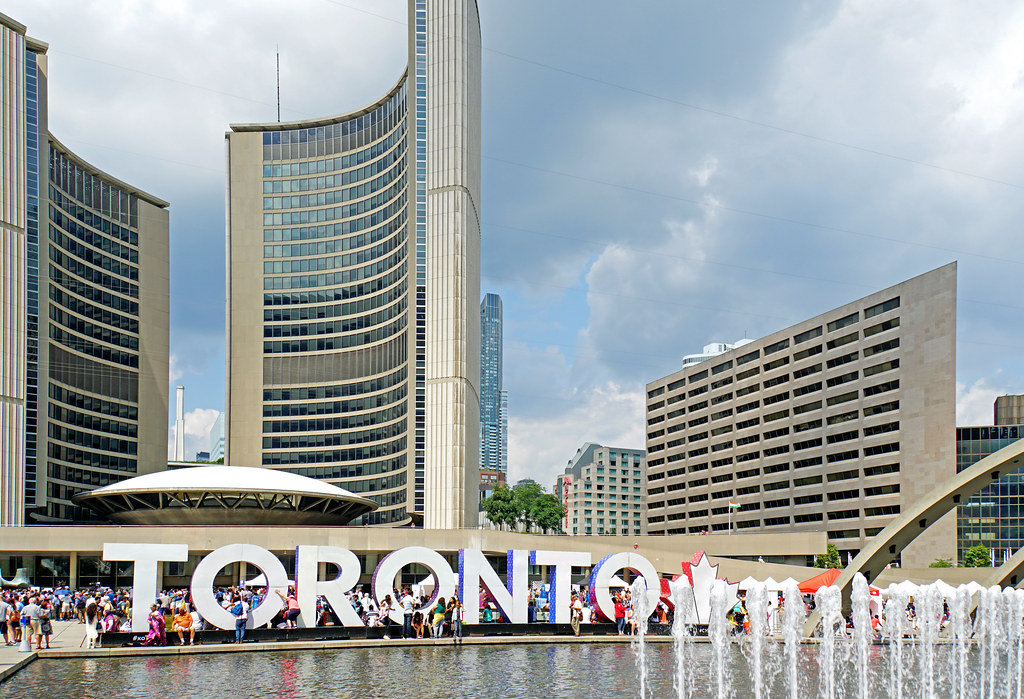
Toronto Tech Scene: Why Canada's Innovation Hub Stands Apart
Discover why Toronto's tech ecosystem attracts startups and engineers. Lower costs, top talent, and cross-sector collaboration make it Canada's innovation capital.
Discover why Toronto's tech ecosystem attracts startups and engineers. Lower costs, top talent, and cross-sector collaboration make it Canada's innovation capital.

Walk through the King West corridor on any given Tuesday, and you'll spot the telltale signs: young engineers huddled in coffee shops, venture capitalists heading to office towers, startup founders networking at venues like District Lofts. But Toronto's tech ecosystem isn't just another Silicon Valley clone. It's something distinctly different-and increasingly, the world is noticing.
Unlike San Francisco or New York, Toronto offers a rare combination that's proving magnetic for innovation. Office space in the Entertainment District runs $15 to $20 per square foot annually, compared to $80+ in Manhattan. Salaries for senior engineers average $140,000 to $180,000 here, versus $200,000+ in comparable U.S. cities. That economics matters when you're bootstrapping or Series A.
But the real differentiator isn't cost arbitrage. It's Toronto's unusual talent density across sectors. The city hosts world-class institutions-University of Toronto's computer science program ranks globally; Vector Institute for AI brings cutting-edge research to Bloor West. Meanwhile, the city's legacy strengths in financial services, healthcare, and media create a crucible where entrepreneurs aren't just building consumer apps. They're solving problems for regulated industries that few startups elsewhere dare tackle.
"Cross-pollination" has become a cliché in tech circles, yet Toronto executes it differently. A founder working on healthcare AI might find mentorship from someone who spent years at Toronto's major hospital networks. Fintech entrepreneurs benefit from proximity to RBC, TD, and Scotiabank-all headquartered here. This isn't Silicon Valley's startup-to-startup knowledge transfer. It's institutional fluency mixed with entrepreneurial hunger.
The numbers bear this out. Toronto attracted $3.1 billion in venture capital in 2024, and while that trails San Francisco, the city's per-capita concentration of funded startups has grown steadily. Companies like Shopify (founded in Ottawa but with major Toronto operations) and Wealthsimple have become billion-dollar testaments to the ecosystem's productivity.
Another edge: diversity and immigration policy. Canada's welcoming stance means Toronto's tech workforce reflects global markets more authentically than most hubs. When you're building for Asia-Pacific or European markets, having founders and engineers from those regions isn't a checkbox-it's operational advantage.
On Spadina, at MaRS Discovery District, or in the emerging Liberty Village tech quarter, the conversation has shifted. Entrepreneurs here aren't chasing hype cycles. They're building sustainable, profitable businesses that solve real problems. That's not as flashy as a unicorn IPO, but it's proving more durable.
Toronto's tech scene isn't about overshadowing other hubs. It's about carving out something genuinely distinctive in a crowded global marketplace-and succeeding quietly, methodically, profitably.
This article was compiled by AI and screened before publishing. See our editorial standards.
How does this story make you feel?
Spread the word
About this article
Published by The Daily Toronto
Daily brief
Free, in your inbox before 7am. Weekdays.
More in tech