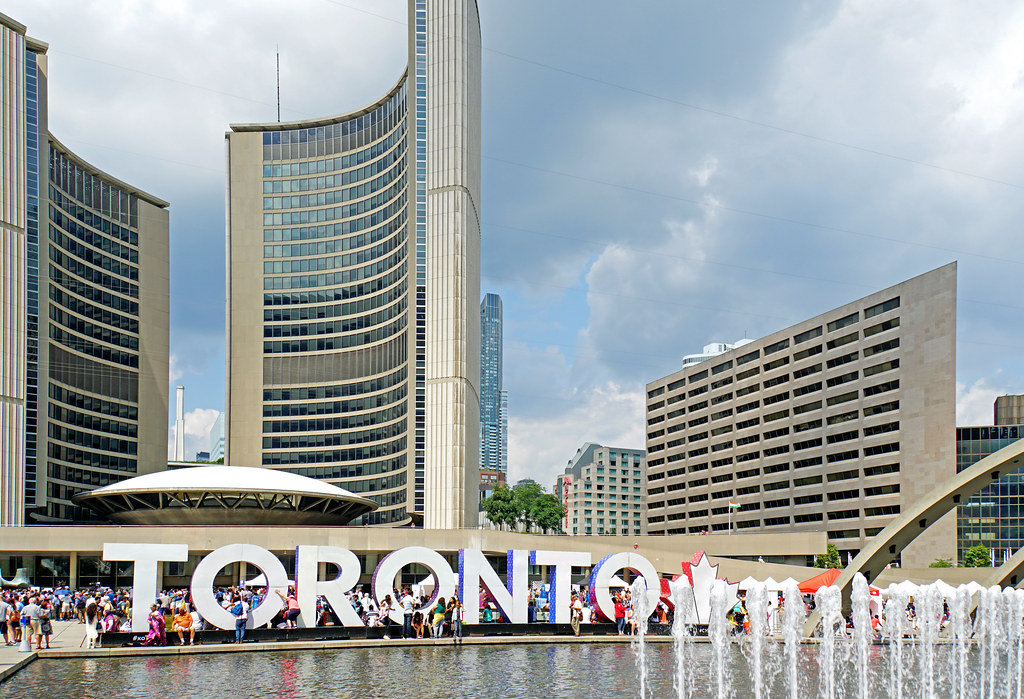
The optimism that carried Toronto's tech scene through 2024 and early 2025 has evaporated. Walking through the MaRS Discovery District on College Street or past the gleaming office towers along King West, you'd still see the trappings of a thriving ecosystem-but conversations in pitch meetings and co-working spaces tell a different story entirely.
Deal volume in the Greater Toronto Area has contracted sharply. According to preliminary data from Toronto-based venture intelligence firms, Q2 2026 saw only 47 early-stage funding rounds close, down from 71 in the same period last year. The median seed round has shrunk to $850,000, a 22% decline from 2025's average. For founders who spent the past 18 months building on the assumption of abundant capital, the shift feels sudden and severe.
"We're seeing VCs become much more selective," says a partner at one of Toronto's established mid-market firms, speaking on condition of anonymity due to limited partners' agreements. "They're not deploying capital the way they were. Everybody's focused on portfolio company survival right now."
Several factors are converging. Interest rate forecasts, persistent inflation in commercial real estate, and lingering uncertainty around cross-border trade have made institutional investors cautious. Meanwhile, Bay Street's traditional wealth management firms-historically important limited partners for Toronto-based funds-are retrenching after volatile market conditions in the first half of 2026.
The squeeze is hitting hardest in the so-called "middle market." Series A rounds, typically $2-4 million, are taking three to four months longer to close than they did 12 months ago. Firms like Radical Ventures and Real Ventures, two of the city's most active investors, have lengthened their due diligence processes and are demanding stronger unit economics before committing capital.
Not everything is bleak. Artificial intelligence and biotech remain relatively well-funded verticals. Several health-tech startups operating out of the Discovery District have landed follow-on rounds. And early-stage grants from organizations like Communitech in Waterloo and Toronto's own Ryerson Futures fund continue to flow, albeit at modest levels.
For founders grinding through this environment, the message is clear: build leaner, extend runway, and assume capital will remain tight through year-end. Summer 2026 in Toronto's startup world feels like a recalibration moment-painful for those mid-stage founders seeking growth capital, but potentially clarifying for the ecosystem as a whole.
This article was compiled by AI and screened before publishing. See our editorial standards.