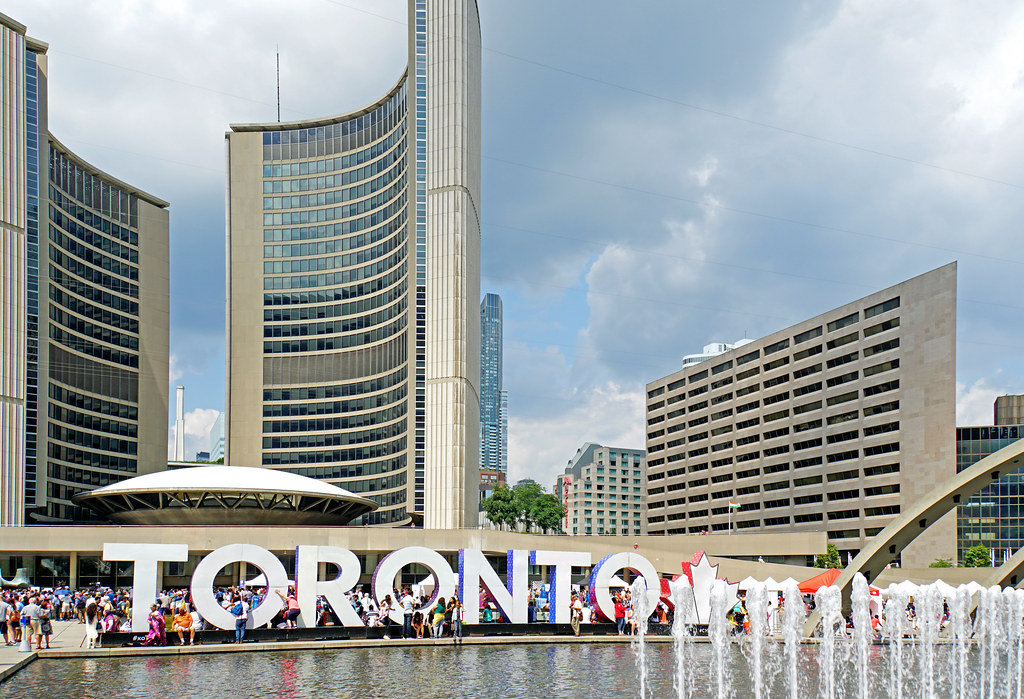
Toronto's Green Energy Boom Masks Troubling Questions About Cost, Labour, and Land
As the city races toward net-zero, residents and researchers are asking who really benefits-and who bears the burden.
As the city races toward net-zero, residents and researchers are asking who really benefits-and who bears the burden.
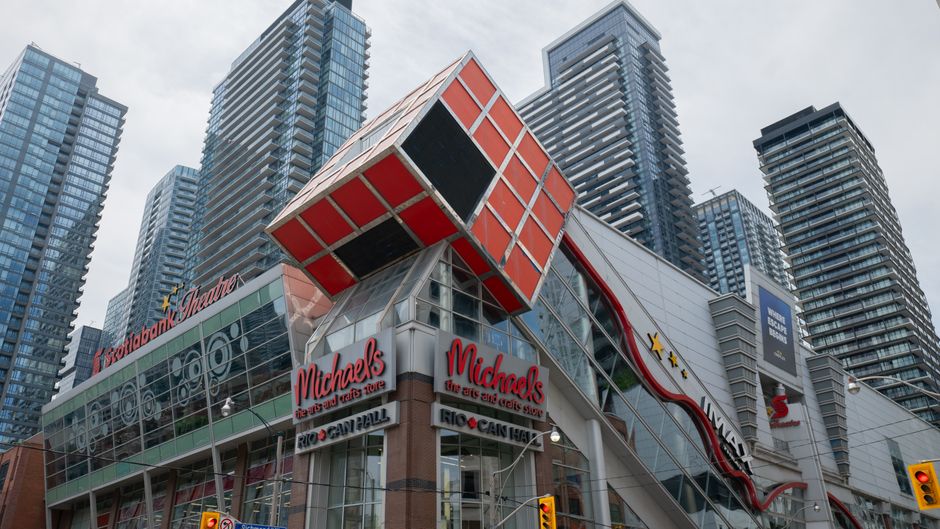
Walk through the Distillery District on any given afternoon and you'll see solar panels gleaming atop heritage brick buildings, electric vehicles charging outside restaurants, and promotional banners celebrating Toronto's clean energy future. The narrative is compelling: by 2040, the city aims to be carbon-neutral, with billions in green tech investment flowing into local ventures and jobs.
But behind the optimistic headlines, a messier reality is emerging. Researchers at the University of Toronto's Institute for Sustainable Energy have begun documenting what they call the "hidden costs" of rapid green transition. Solar panel manufacturing, they note, relies heavily on labour-intensive supply chains in developing countries where wage protections are minimal. Battery recycling-critical for the electric vehicle surge that has tripled EV registrations in Toronto since 2023-remains largely unregulated, with many units shipped overseas rather than processed locally.
"We're externalizing environmental and social problems," says Dr. Sarah Chen, a sustainable technology researcher at U of T, in a recent published study. "The question is whether green energy can truly be sustainable if its foundation is built on exploitation elsewhere."
The affordability crisis cuts closer to home. While wealthy neighbourhoods like Rosedale and The Annex have embraced rooftop solar and heat pump retrofits-installation costs ranging from $15,000 to $40,000-residents of Regent Park and Scarborough's apartment towers have largely been left behind. The city's green retrofit rebates, capped at $5,000, do little to bridge the gap for renters in buildings where landlords have no financial incentive to upgrade.
Then there's land use. The proposed battery storage facility near the Port Lands would occupy 12 acres and supply critical grid stability-essential infrastructure for managing renewable energy's intermittency. Yet local environmentalists worry about wetland disruption and have questioned whether the project's benefits genuinely serve lower-income east-end residents or primarily wealthy downtown energy consumers.
These tensions aren't arguments against green technology. Rather, they're reminders that Toronto's clean energy transition will only succeed if it actively addresses equity, transparency, and supply-chain ethics. The city's sustainability goals are admirable. But without wrestling with the uncomfortable questions-who profits, who sacrifices, who gets left out-Toronto risks building a green future that's only green for some.
This article was compiled by AI and screened before publishing. See our editorial standards.
How does this story make you feel?
Spread the word
About this article
Published by The Daily Toronto
Daily brief
Free, in your inbox before 7am. Weekdays.
More in tech