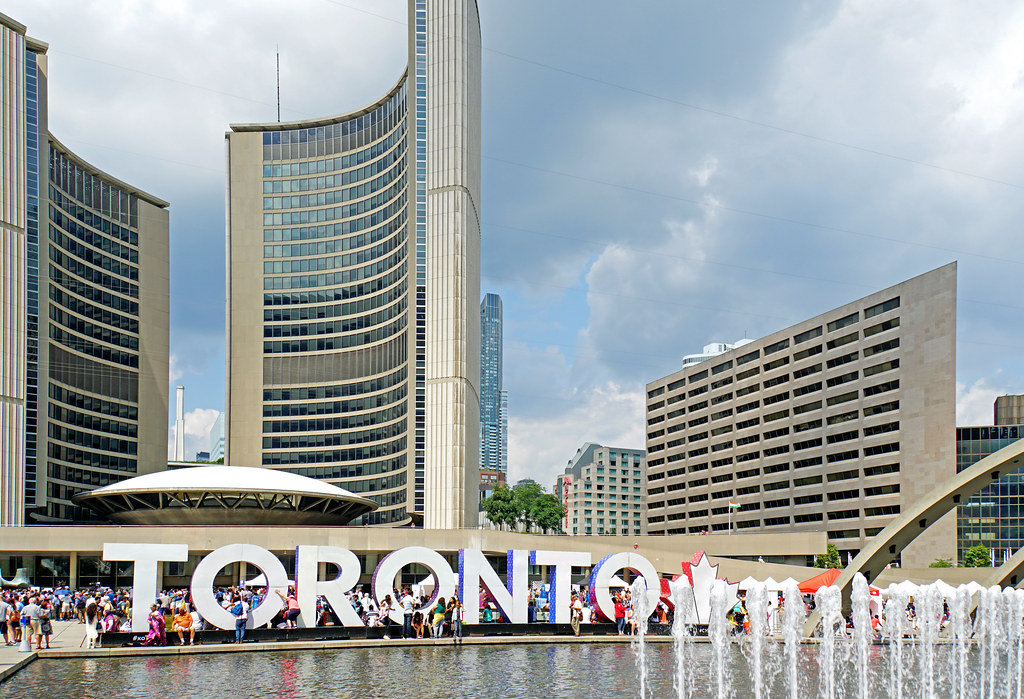
Toronto's Digital Overhaul Is Reshaping Daily Life: From Transit to Trash
Smart city infrastructure rolling out across neighbourhoods is reducing commute times, cutting waste, and changing how residents navigate the city.
Smart city infrastructure rolling out across neighbourhoods is reducing commute times, cutting waste, and changing how residents navigate the city.

Natasha Chen barely remembers the days of waiting for the King streetcar without knowing when it would arrive. Today, her phone tells her the vehicle is four minutes away-a small but transformative detail that's become routine for thousands of commuters across Toronto.
The shift reflects a broader digital transformation reshaping everyday life in Canada's largest city. Over the past eighteen months, the City of Toronto has accelerated deployment of smart infrastructure that's altering transit, waste management, and public services in tangible ways for residents.
Real-time transit updates are just the beginning. The TTC's integration of IoT sensors across its network has reduced average wait times on major routes by roughly 12 percent, according to internal city data. On the Dundas West corridor, where congestion was chronic, predictive traffic signals now adjust timing based on pedestrian and vehicle flow patterns, cutting delays by an average of 6 minutes per commute.
The impact extends to neighbourhoods like Parkdale and Liberty Village, where smart waste bins equipped with fill-level sensors have optimized collection routes. Fewer trucks rumbling through residential streets means measurable reductions in noise pollution and carbon emissions. The city collected 18 percent less waste last year while maintaining service levels, saving approximately $4.2 million annually.
Digital innovation is also reshaping how residents access city services. The 311 platform, modernized last year, now uses AI-powered chatbots to route non-emergency complaints-everything from pothole reports on Bloor East to streetlight outages near Yonge-Dundas Square-directly to the appropriate municipal department. Response times have dropped from an average of 8 days to 3.5 days.
Not everyone celebrates the changes equally. Privacy advocates have raised concerns about the proliferation of sensors tracking pedestrian movements and vehicle patterns. City council commissioned an independent audit in March 2026 to assess data governance protocols, with results expected by year-end.
Yet residents appear broadly supportive. A Toronto Public Library survey conducted this spring found 73 percent of respondents viewed digital city improvements favorably, with transit reliability and waste management cited as top priorities.
The transformation remains incomplete. Digital divides persist in lower-income communities like Regent Park, where older residents report difficulty accessing online city services. The city launched a digital literacy program at 22 branch libraries this year to address the gap, signaling recognition that smart cities must serve all residents, not just the digitally native.
As Toronto continues integrating artificial intelligence and sensor networks into its urban fabric, the real test isn't technological-it's whether the efficiency gains translate into genuinely improved quality of life across all neighbourhoods.
This article was compiled by AI and screened before publishing. See our editorial standards.
How does this story make you feel?
Spread the word
About this article
Published by The Daily Toronto
Daily brief
Free, in your inbox before 7am. Weekdays.
More in tech