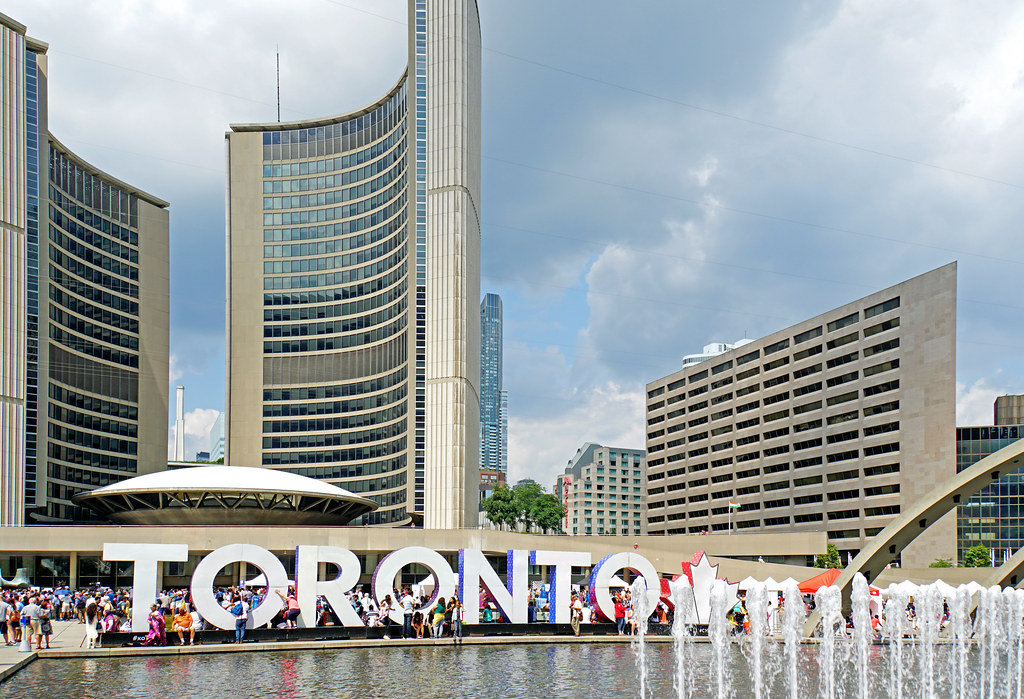
Toronto's Digital Fortress: How cybersecurity promises protection: but at what cost to privacy?
As the city's tech sector booms, security experts and ethicists grapple with the uncomfortable truth that safeguarding data often means surrendering it.
As the city's tech sector booms, security experts and ethicists grapple with the uncomfortable truth that safeguarding data often means surrendering it.

Walk into any coffee shop along King West or venture into the glass towers of the Financial District, and you'll find Toronto's tech workers wrestling with a modern paradox: the tools that protect us from cyber threats increasingly threaten the very privacy they're meant to defend.
The numbers tell a sobering story. According to a 2025 Canadian Cybersecurity Centre report, Toronto businesses experienced a 34% increase in ransomware attacks year-over-year, with the average cost per incident now exceeding $2.8 million. Yet the solutions proposed-continuous monitoring, AI-powered surveillance systems, mandatory data collection-come with ethical complications that few in the industry are comfortable discussing openly.
"We're seeing a fundamental tension," says the Canadian Internet Policy and Public Affairs Council, based in downtown Toronto. "Organizations need visibility into their networks to stay secure, but that visibility often extends far beyond what's necessary."
Consider the case of a mid-sized SaaS company operating out of Communitech's satellite office near Queen and Simcoe. To implement industry-standard cybersecurity protocols, they've had to deploy endpoint detection and response software that tracks employee activity in real time-when they login, what they access, how long they spend on each task. The security is robust. The privacy is compromised.
Meanwhile, startups in the MaRS Discovery District face mounting pressure to adopt biometric authentication and behavioral analytics platforms. These systems are extraordinarily effective at preventing unauthorized access. They're also extraordinarily good at building detailed profiles of human behavior.
The ethical questions multiply. Who owns this data? How long is it retained? What happens if it's breached-as breaches inevitably are? Toronto's tech community has grown rapidly, with the sector now contributing over $40 billion annually to Ontario's economy, but that growth has outpaced thoughtful governance frameworks around digital safety.
Some progress is visible. The City of Toronto recently updated its procurement standards to require vendors to demonstrate privacy-by-design principles. Professional organizations like Professional Engineers Ontario (PEO) are incorporating digital ethics into their certification requirements. Yet these measures remain piecemeal.
The uncomfortable truth is this: absolute cybersecurity and absolute privacy are incompatible. Toronto's innovation economy depends on finding the balance-one that protects data without weaponizing it, that secures systems without enabling surveillance, that promises safety without demanding the surrender of autonomy. Until we're willing to have harder conversations about that tradeoff, we're simply moving the vulnerability elsewhere.
This article was compiled by AI and screened before publishing. See our editorial standards.
How does this story make you feel?
Spread the word
About this article
Published by The Daily Toronto
Daily brief
Free, in your inbox before 7am. Weekdays.
More in tech