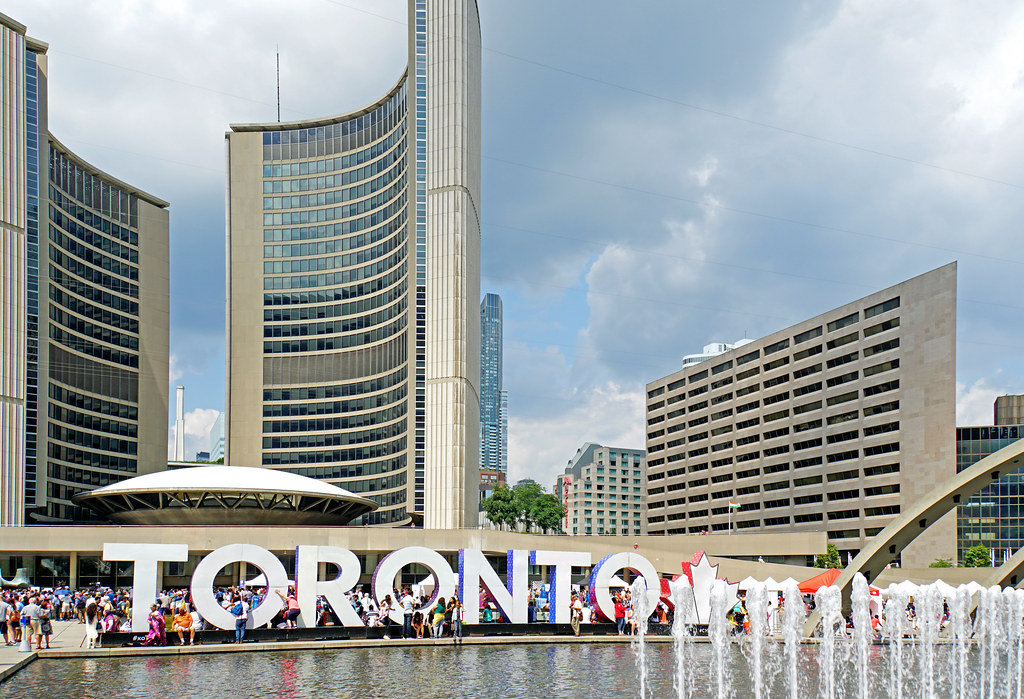
Walk down Queen Street West on any given morning and you'll spot the telltale signs of Toronto's green energy transformation. The TTC's electric bus fleet-now numbering over 400 vehicles-has become as common as the streetcars that defined the city for a century. For commuters like those heading to the Financial District, the shift means quieter rides and fewer emissions on their daily journey. But the changes run far deeper than visible infrastructure.
In neighbourhoods across the city, from The Annex to Scarborough, residential solar adoption has tripled since 2023. Installation costs have dropped to an average of $18,000 for a typical home system-a figure that Toronto Hydro data suggests can be recouped in under eight years through reduced electricity consumption. For residents on Gerrard Street East or in the Distillery District, many are seeing their summer electricity bills cut by 40 to 60 percent.
Toronto Hydro's smart meter program, now deployed in over 85% of the city's households, has fundamentally changed how residents think about energy consumption. Real-time usage tracking allows homeowners to monitor their power draws minute-by-minute through mobile apps, encouraging behavioral shifts that utility companies say have reduced peak demand by nearly 12% in pilot zones around Bloor-Yorkville and King West.
The shift extends to urban transportation beyond transit. Bike Share Toronto, once a novelty, now records over 3 million trips annually, while electric vehicle charging stations have proliferated from roughly 200 locations in 2022 to over 1,400 across the Greater Toronto Area today. Residents in Liberty Village and along the Gardiner Expressway corridor increasingly view EVs not as luxury purchases but as practical alternatives to gas vehicles.
Perhaps most significantly, green energy tech is becoming woven into everyday infrastructure decisions. The city's commitment to net-zero energy buildings by 2040 means new condos going up along King East and renovations in Yorkville now routinely include heat pump systems and energy recovery ventilation-technologies that residents rarely think about but that directly reduce their heating and cooling costs year-round.
For Toronto's tech-forward population, these aren't abstract environmental goals anymore. They're tangible changes affecting monthly bills, commute experiences, and neighborhood aesthetics. The question is no longer whether clean energy will transform the city-it's already doing that. The real question now is how quickly residents will adapt to a Toronto where sustainability isn't a choice, but simply how the city operates.
This article was compiled by AI and screened before publishing. See our editorial standards.