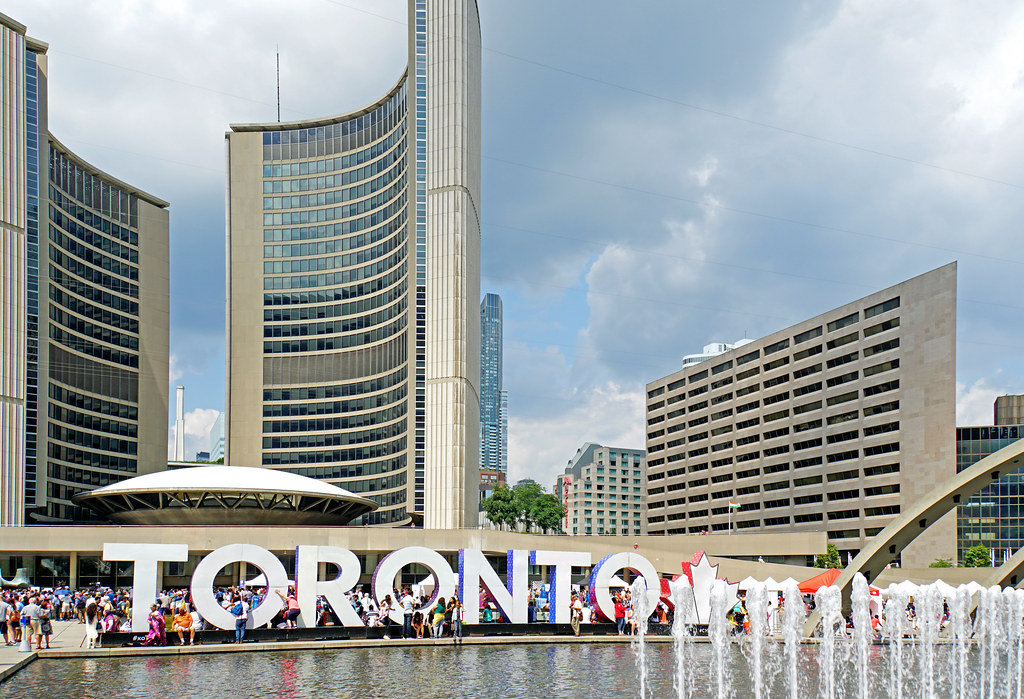
Walk along King West on any given afternoon and you'll spot the telltale signs of Toronto's artificial intelligence renaissance: freshly renovated office spaces in converted warehouses, startup logos etched onto glass doors, and venture capitalists shuttling between coffee meetings at Balzac's and Distillery District innovation hubs. The city has become a magnetic force for AI investment, and the numbers tell a compelling story about how Toronto is positioning itself as a genuine alternative to the American tech establishment.
Since early 2024, the Greater Toronto Area has attracted approximately $2.3 billion in venture capital specifically targeting AI infrastructure, machine learning platforms, and enterprise software solutions. That's more than triple the investment levels from just three years prior, according to data tracked by Canadian Venture Capital Association members. What's driving this surge? A combination of factors: proximity to top-tier computer science programs at the University of Toronto and McMaster, lower corporate tax rates relative to California, and a growing reputation for ethical AI development.
The MaRS Discovery District in downtown Toronto has become ground zero for this activity. The innovation hub, which occupies multiple buildings around College and McCaul, now houses over 150 AI-focused companies, up from just 47 in 2022. Nearby, the Toronto Innovation Corridor-stretching from the St. Lawrence neighborhood through the Financial District-has seen commercial real estate prices surge. Average office rents in the area have climbed to $24 per square foot annually, a 34 percent increase since 2023, reflecting intense competition for workspace among well-funded startups.
The funding influx isn't merely concentrated among household names. Mid-market players are thriving too. A recent survey by the Toronto Technology Association found that 68 percent of AI startups in the city raised Series A or B funding rounds in 2025, compared to just 41 percent in 2023. Investors are placing bigger bets earlier, signaling confidence in the local talent pool and regulatory environment.
International capital is taking notice. Investment firms from London, Singapore, and Berlin have opened Toronto offices specifically to monitor AI opportunities. One venture partner at a prominent European fund described Toronto as "where you can build serious infrastructure without the ego and politics that plague the Valley."
For Toronto's broader business community, the implications are clear: AI is no longer a niche technology sector-it's becoming the economic engine that could define the city's next decade of growth. The question now is whether the momentum can be sustained.
This article was compiled by AI and screened before publishing. See our editorial standards.