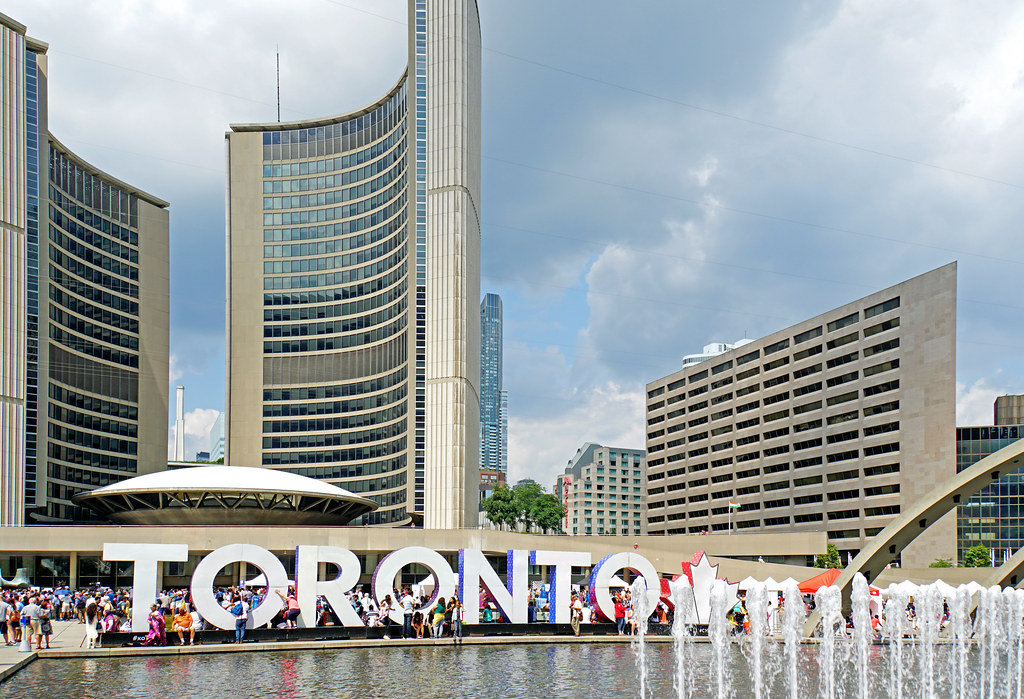
Toronto's AI Boom: $2.3B in Venture Capital Fuels Next Wave of Tech Startups
From King West to the Distillery District, a surge in funding is transforming how local entrepreneurs build businesses powered by machine learning.
From King West to the Distillery District, a surge in funding is transforming how local entrepreneurs build businesses powered by machine learning.
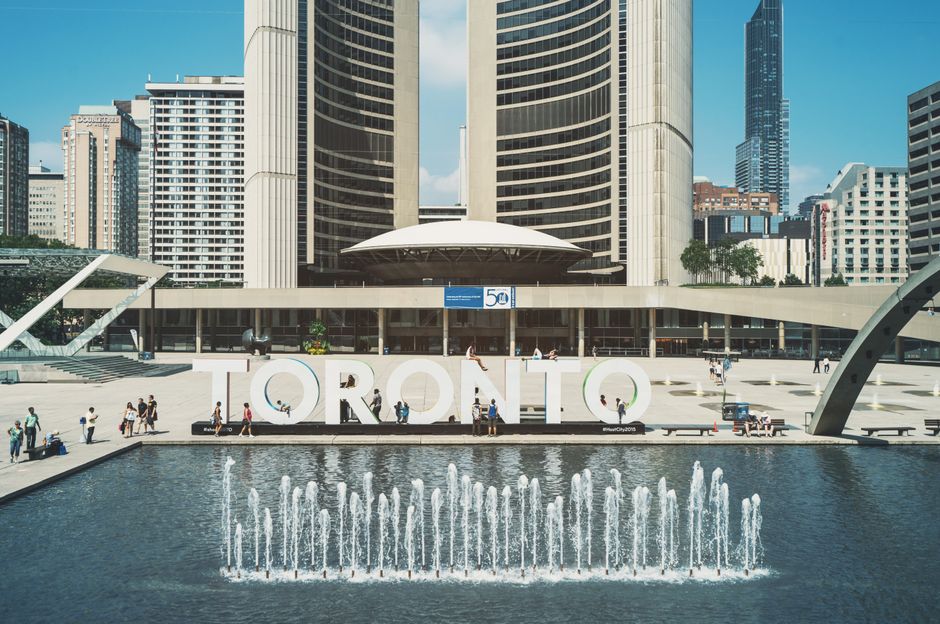
Toronto's artificial intelligence sector is experiencing unprecedented growth, with venture capital investments reaching $2.3 billion in 2025-a 67 percent increase from the previous year. The surge reflects a broader shift as local startups move beyond prototype stages into commercialization, reshaping everything from supply chain management to customer service across the Greater Toronto Area.
The momentum is visible in Toronto's traditional tech hubs. Along King Street West, where real estate costs have climbed to $25 to $35 per square foot annually, AI-focused companies are occupying increasingly larger office footprints. Meanwhile, emerging clusters around the Distillery District and Liberty Village are attracting early-stage founders priced out of downtown cores, creating a decentralized innovation landscape that rivals established ecosystems.
"We're seeing institutional investors-not just venture funds but pension plans and corporate strategists-take Toronto seriously as an AI destination," says the Toronto Technology Association, noting that the city now hosts over 340 AI-related companies, up from 180 five years ago. Major Canadian banks and insurance firms headquartered in the Financial District have begun strategic partnerships with local startups, creating pathways from incubation to enterprise deployment.
The University of Toronto's Vector Institute continues to serve as a talent pipeline, producing graduates that startups compete fiercely to hire. Entry-level machine learning roles in Toronto now command salaries of $90,000 to $120,000-reflective of talent scarcity-compared to $75,000 five years ago.
However, the growth story isn't without friction. Real estate scarcity in premium neighborhoods has forced some teams to consider satellite offices in emerging tech corridors like Vaughan and Mississauga. Infrastructure challenges, particularly around GPU computing capacity and cloud service costs, remain barriers for hardware-intensive AI projects.
What's clear is that Toronto's AI investment momentum extends beyond headlines. Companies like those clustered around MaRS Discovery District and Ryerson University's DMZ are securing Series A and B rounds with increasing frequency, suggesting the city has moved past early hype into sustainable, capital-driven growth.
As global competition for AI talent intensifies, Toronto's combination of university research, regulatory stability, and venture appetite positions it as more than a secondary player. The question isn't whether the trend will continue-it's whether local infrastructure can keep pace with ambition.
This article was compiled by AI and screened before publishing. See our editorial standards.
How does this story make you feel?
Spread the word
About this article
Published by The Daily Toronto
Daily brief
Free, in your inbox before 7am. Weekdays.
More in tech