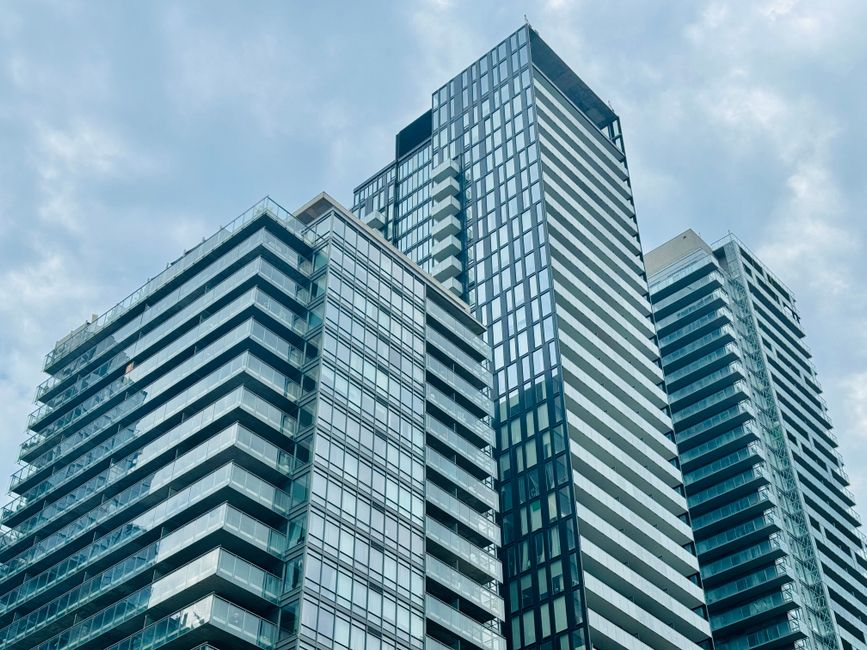
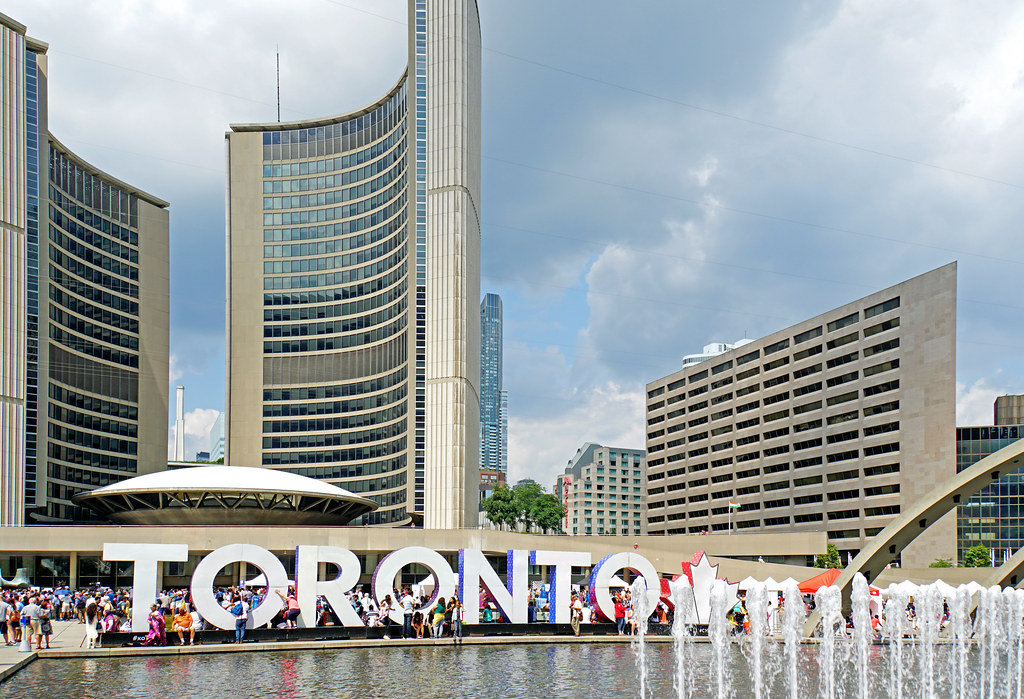
Walk along Queen West on a sunny afternoon and you'll spot something that would have seemed exotic five years ago: residential rooftops bristling with solar panels, their dark surfaces catching light across Victorian terraces and converted lofts. What started as niche environmentalism has become mainstream infrastructure across Toronto, fundamentally altering how hundreds of thousands of residents experience their city.
The shift is most visible in transportation. Toronto's expanding network of bike lanes and e-bike infrastructure-particularly along the Bloor Street corridor and through the Distillery District-has coincided with a measurable drop in car dependency. The Toronto Transit Commission's transition to 100% electric buses on routes serving downtown and midtown neighbourhoods has reduced commute times by an average of 12 minutes while cutting emissions significantly. Monthly transit passes now cost $155, but residents increasingly bundle them with shared e-car memberships that cost under $200 monthly-undercutting traditional car ownership.
Home heating represents another seismic shift. Heat pump adoption in established neighbourhoods like the Annex and Leslieville has climbed 34% since 2023, with units now averaging $8,500 installed-down from $12,000 just three years ago. Residents report winter utility bills dropping by roughly 40%, a tangible monthly saving that compounds over seasons. The City of Toronto's rebate program, offering up to $3,500 toward installation, has accelerated this transition across middle-income households.
The Scarborough Waterfront's new district energy system, operational since early 2025, serves 47 buildings with heated and cooled water piped from centralized facilities powered entirely by waste heat recovery and geothermal sources. Residents in those towers pay approximately 25% less for climate control than neighbours relying on traditional systems.
Even small retail is adapting. Coffee shops along Ossington Avenue and throughout the Entertainment District have shifted to compostable cups and packaging, with major chains installing their own micro-grids featuring rooftop solar. The environmental transition is becoming economic: green-certified commercial spaces command premium rental rates.
What makes this moment different from previous sustainability cycles is the absence of sacrifice. Torontonians aren't choosing environmental virtue at the cost of convenience-they're experiencing genuine improvements in air quality, noise pollution, and monthly expenses. The technology is maturing. The infrastructure is scaling. The economics work.
For a city historically powered by distant coal plants and oil refineries, that represents genuine transformation.
This article was compiled by AI and screened before publishing. See our editorial standards.