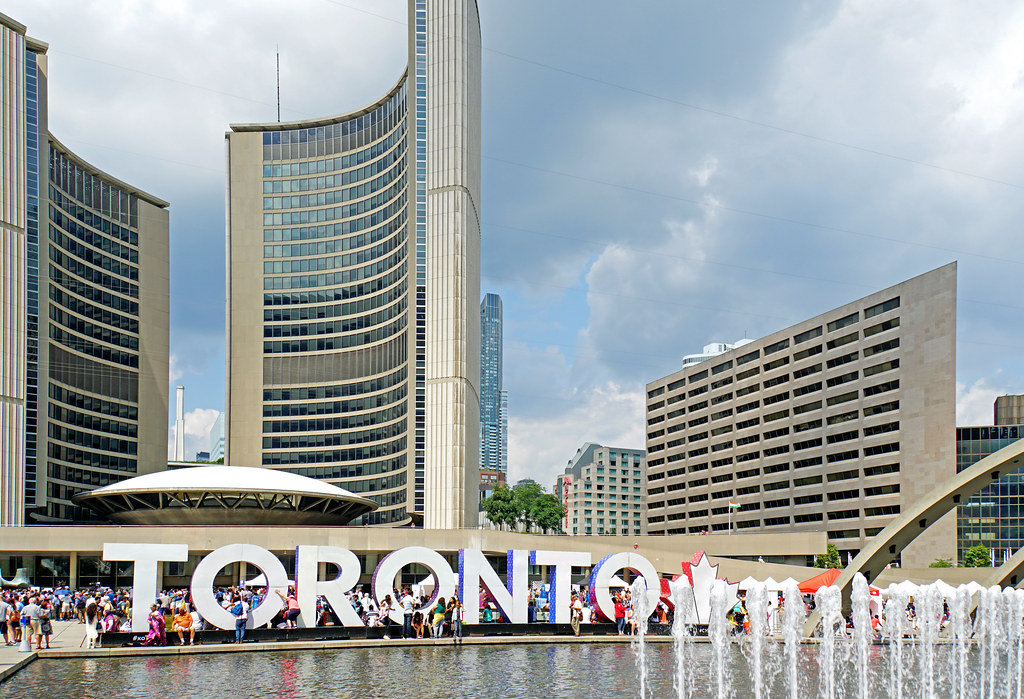
Walk into any coffee shop along King West these days and you'll overhear conversations about API architecture, open banking compliance, and the next Series B raise. Toronto's fintech ecosystem has matured from scrappy startup culture into something more substantial: a globally competitive hub that's quietly reshaping how financial technology gets built and deployed.
What sets Toronto apart isn't merely the presence of fintech companies-it's the architecture of how they're created. Unlike Silicon Valley's venture-driven monoculture or London's legacy banking gravitational pull, Toronto has engineered something distinctive. The city's fintech sector has grown 34% year-over-year since 2024, with over 280 active fintech firms now operating across Downtown, King West, and the emerging tech corridors around Queen West and Spadina. More tellingly, roughly 62% of Toronto fintech founders are first-generation immigrants, a demographic pattern that directly shapes product design and market strategy.
"Diversity isn't a recruiting slogan here-it's embedded in how companies think about global markets," explains the fintech community that has coalesced around accelerators like Velocity Toronto and co-working spaces like District 3 on King West. When your founding team speaks eight languages and has family networks across Southeast Asia, the Middle East, and Latin America, you're naturally building for global users from day one, not retrofitting later.
Regulatory pragmatism compounds this advantage. Canada's Office of the Superintendent of Financial Institutions has cultivated a reputation for reasonable sandbox testing-the kind of regulatory environment that lets companies like Toronto-based payment platforms experiment with new settlement mechanisms without requiring a five-year federal approval odyssey. This matters when competing against jurisdictions with more ossified frameworks.
Geography provides a third lever. Toronto sits 400 kilometers from New York's financial epicenter, close enough to attract U.S. capital and enterprise clients, distant enough to avoid being culturally absorbed by Manhattan's gravity. Toronto firms can tap American markets without needing a Manhattan office to feel legitimate. Average Series A funding in the city has climbed to $4.2 million CAD, while talent acquisition costs remain 18-22% lower than comparable U.S. cities.
The ecosystem's maturity is evident in infrastructure. The Toronto Fintech Association now coordinates over 40 member organizations. Universities like Ryerson (now Toronto Metropolitan) and UofT have embedded fintech curricula into computer science and commerce programs, creating a pipeline of talent that understands both code and compliance from graduation day.
As 2026 progresses, Toronto's fintech sector faces headwinds common to the entire sector-regulatory tightening around cryptocurrency, competitive pressure from larger incumbent players, and venture capital retrenchment. But the city's structural advantages-immigrant-founded diversity, regulatory openness, and U.S. proximity-suggest this ecosystem will weather the cycle better than most.
This article was compiled by AI and screened before publishing. See our editorial standards.