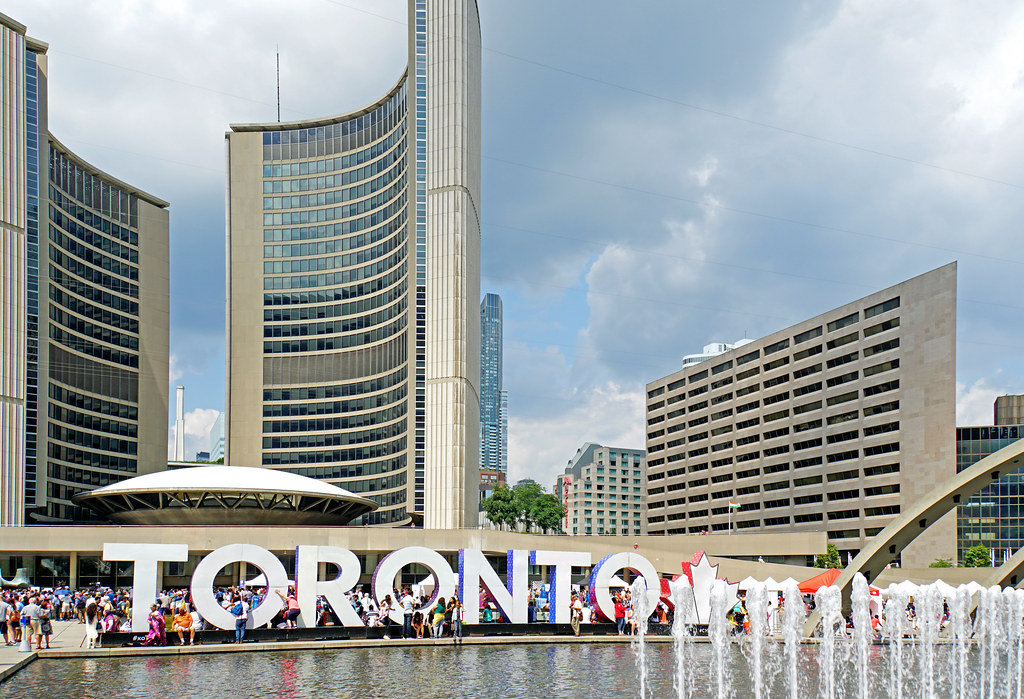
Walk through the MaRS Discovery District on College Street, and you'll encounter a cohort of cybersecurity startups that wouldn't look out of place in Silicon Valley-except for one crucial difference: they're operating in a city that has become synonymous with privacy-by-design thinking.
Toronto's tech ecosystem has quietly earned a reputation as a global outlier in cybersecurity and digital safety, driven by a unique convergence of factors that distinguish it from other major innovation hubs. Unlike many tech centres that prioritize growth at the expense of privacy, Toronto has built something more deliberate: a culture where security and user protection are treated as competitive advantages rather than afterthoughts.
The University of Toronto's Citizen Lab, housed near the St. George campus, has become an internationally recognized research institute that documents state-sponsored digital surveillance and hacking campaigns. This academic credibility has seeped into the broader ecosystem, creating a talent pipeline of researchers and entrepreneurs who view cybersecurity not as a checkbox but as foundational.
The numbers tell the story. According to recent venture capital data, Toronto's cybersecurity sector has attracted over $2.3 billion in investment over the past five years-positioning the city among North America's top three hubs for security innovation, behind only Silicon Valley and Washington, D.C. Yet Toronto's startups tend toward infrastructure, encryption, and threat intelligence rather than the surveillance-adjacent technologies that dominate other markets.
This distinction matters geopolitically. As governments worldwide grapple with data breaches, ransomware, and state-sponsored attacks, Toronto-based firms are increasingly consulted by Fortune 500 companies and government agencies seeking solutions untethered from the reputational baggage of purely commercial surveillance models.
Local accelerators like Techstars Toronto and the DMZ at Ryerson have explicitly prioritized cybersecurity founders, creating a feedback loop. Young entrepreneurs pitch to investors who understand-and reward-the long-term value of privacy-respecting design. It's a self-reinforcing culture.
The city's regulatory environment has helped. Ontario's strong privacy frameworks and Canada's federal PIPEDA legislation have created local demand for sophisticated compliance solutions, allowing Toronto-based companies to test and refine products in a sophisticated domestic market before scaling internationally.
As cyber threats accelerate globally, Toronto's distinctiveness lies not in technological breakthrough alone, but in its ecosystem's commitment to the principle that digital safety and user privacy can be-and should be-engineered into systems from the ground up. That philosophy, cultivated across Bay Street offices, university labs, and King West startups, is becoming increasingly rare.
This article was compiled by AI and screened before publishing. See our editorial standards.