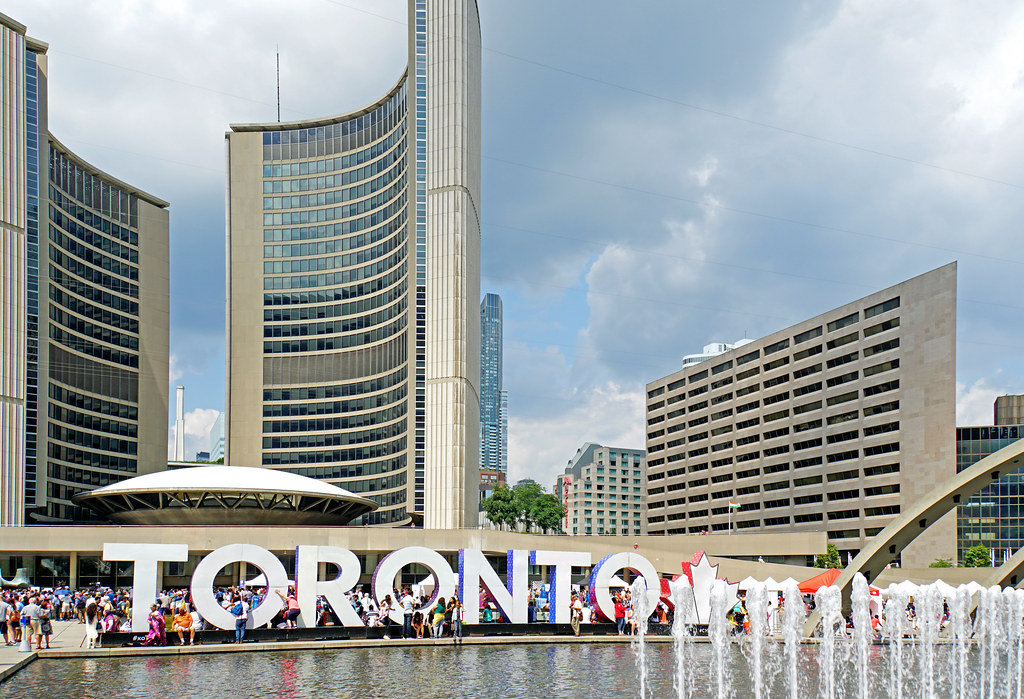
Walk along King West on any given afternoon and you'll spot the tell-tale signs of Toronto's AI revolution: gleaming new office towers filling with machine-learning engineers, co-working spaces packed with founders pitching algorithmic solutions, and venture capitalists from Silicon Valley and beyond making the pilgrimage north to fund the next big thing.
The numbers tell a compelling story. Toronto's AI sector attracted approximately $2.1 billion in venture capital funding between January 2025 and June 2026, according to data compiled by the Toronto Global partnership and local investment firms. That figure represents a 47 per cent increase over the same period two years prior-a growth trajectory that has caught the attention of major institutional investors and corporate giants alike.
"We're seeing a fundamental shift in how capital flows into Canadian tech," says the Toronto venture community, with major players like BDC Capital and Export Development Canada doubling down on AI-focused portfolios. The influx has transformed entire neighbourhoods. The St. Lawrence and Distillery District areas, once dominated by heritage conversions and artisanal retail, now host sprawling tech campuses. Google's expanded presence in the Waterfront Innovation District and Microsoft's growing Toronto hub have raised local commercial rent prices by up to 22 per cent in premium tech zones.
For established Toronto businesses, the AI investment surge presents both opportunity and pressure. Manufacturing firms in the Greater Toronto Area are increasingly adopting machine-learning systems for predictive maintenance and supply chain optimization-investments that smaller operators struggle to afford. Meanwhile, professional services firms, particularly those clustered around Bay Street and the Financial District, are racing to integrate AI into client advisory work, creating fierce competition for specialized talent.
Local universities, particularly the University of Toronto's Vector Institute and Ryerson's Digital Media Lab, are becoming talent pipelines that directly feed this growth. Graduates command premium salaries, with AI-specialized software engineers in Toronto now averaging $145,000 to $185,000 annually-competitive with U.S. counterparts but still 15 to 20 per cent below peak Silicon Valley rates, making Toronto an attractive alternative for cost-conscious investors.
The sustainability of this boom remains an open question. While Toronto's strong post-secondary research foundation and proximity to U.S. markets provide structural advantages, venture funding cycles are notoriously volatile. Still, for now, the city's AI sector is riding a genuine wave-one that's reshaping real estate, talent markets, and the fundamental nature of Toronto's economic identity.
This article was compiled by AI and screened before publishing. See our editorial standards.