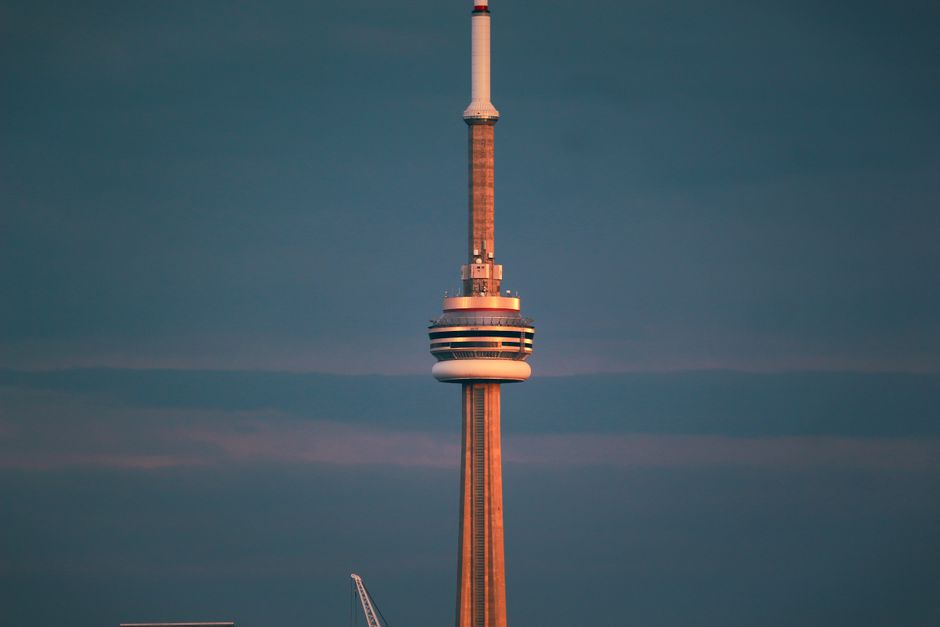
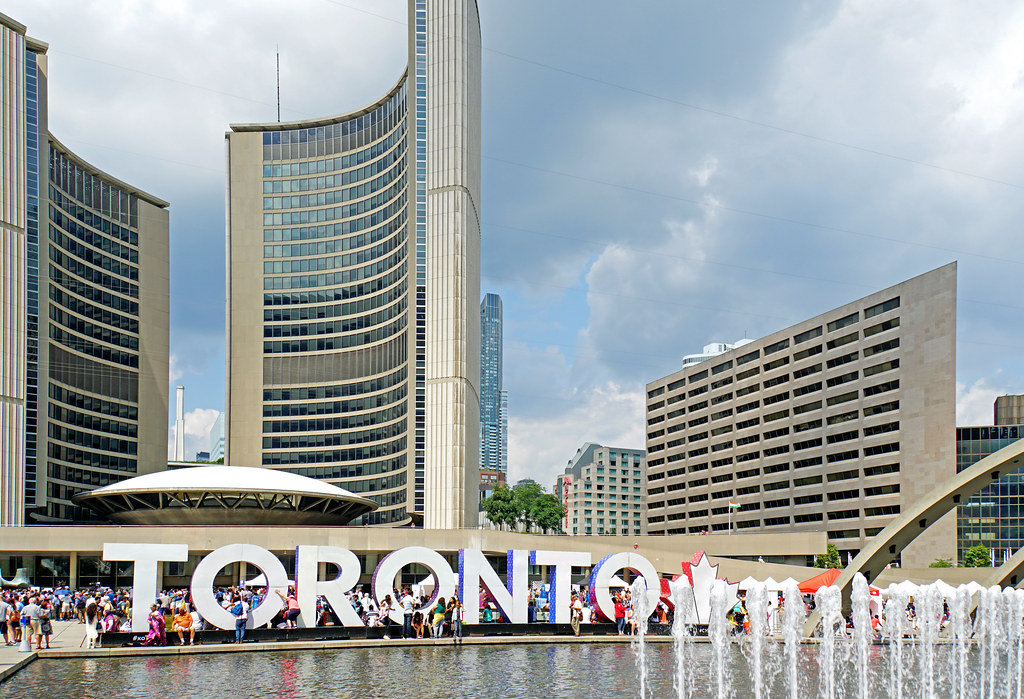
Walk through the MaRS Discovery District on College Street and you'll encounter something increasingly rare in North America's fragmented tech landscape: proximity breeds collaboration. Within a three-kilometre radius of downtown, Toronto has concentrated venture capital firms, corporate innovation labs, university research centres, and startup accelerators in a way that defies the gravitational pull of San Francisco's mythology.
Toronto's distinction isn't scale-the Bay Area still dominates by headcount and headline valuations. It's architectural. The city's tech ecosystem emerged from necessity rather than inevitability. When Shopify launched from a spare bedroom in Galt, Ontario in 2006, there was no established venture establishment waiting to fund it. Today, with Shopify valued at over $40 billion CAD and headquartered on King West, that bootstrapping mentality persists.
The numbers tell a nuanced story. Toronto attracted $3.2 billion in venture capital investment in 2025-trailing only San Francisco and New York regionally, but with a crucial difference: cost structures remain sustainable. Office space near the Distillery District or Liberty Village runs $25-35 per square foot annually, compared to $80+ in comparable Silicon Valley neighbourhoods. This allows earlier-stage founders runway that American counterparts increasingly lack.
But infrastructure alone doesn't explain Toronto's gravitational pull. The city's universities-University of Toronto's computer science program, Ryerson's engineering school-maintain deep integration with industry. The Vector Institute, anchored on Bloor West since 2017, has become a global centre for AI research precisely because it wasn't a copycat: it emerged from Toronto's particular needs and assets.
Perhaps most distinctively, Toronto's tech community has resisted the monoculture that defines other hubs. Yes, fintech dominates-companies like Wealthsimple and Carta operate from the downtown core. But gaming studios cluster in Midtown, biotech startups work from the MaRS biotech corridor, and climate tech firms increasingly set up along the Waterfront Innovation District. This diversification creates resilience.
The city's demographic makeup matters too. Toronto remains North America's most multicultural major city. For companies targeting global markets-not just American ones-the talent pipeline reflects actual customer bases in ways homogeneous tech hubs cannot replicate.
None of this makes Toronto a replacement for San Francisco's established dominance. But as venture capital fragments post-2024 and founders increasingly question whether Silicon Valley's mythology justifies its costs, Toronto's quieter, denser, more collaborative approach is attracting serious attention from founders and investors reconsidering where innovation actually happens.
This article was compiled by AI and screened before publishing. See our editorial standards.