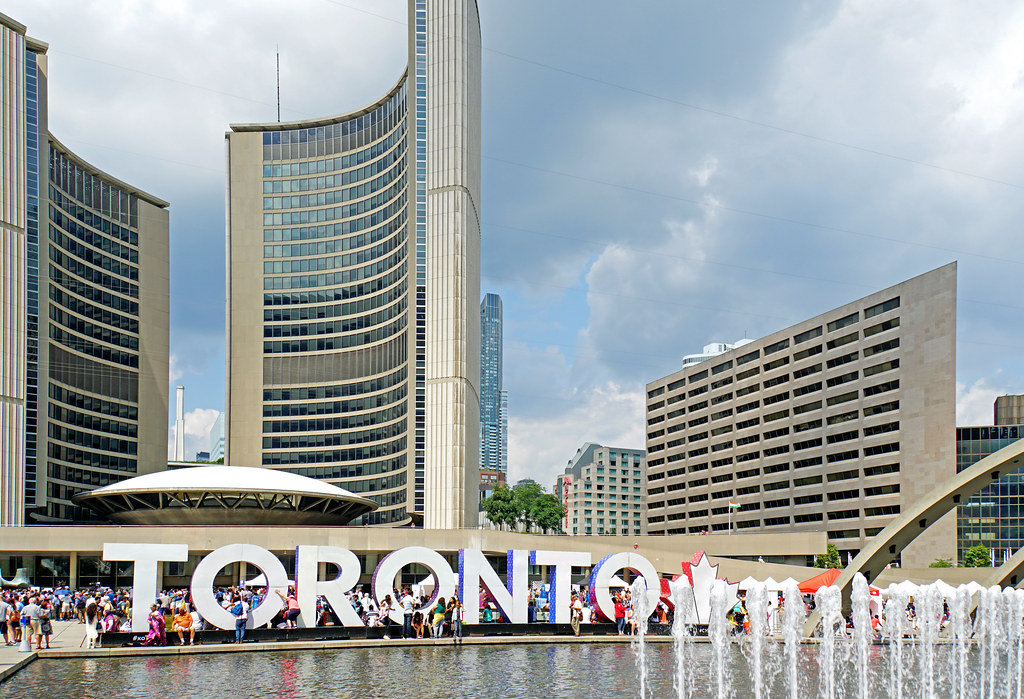
Toronto's startup boom masks growing ethical rifts in venture capital
As the city's tech ecosystem matures, founders and investors grapple with uncomfortable questions about who gets funded-and at what cost.
As the city's tech ecosystem matures, founders and investors grapple with uncomfortable questions about who gets funded-and at what cost.

Walk through the glass-fronted office towers along King West or the converted warehouses in Liberty Village, and you'll see the unmistakable signs of a thriving startup scene. Toronto's venture capital funding hit $2.1 billion in 2025, cementing the city's place as Canada's undisputed tech hub. Yet beneath the glossy pitches and celebratory funding announcements lies a more complicated reality that founders, investors, and policymakers are increasingly struggling to confront.
The problem isn't capital scarcity-it's distribution inequity. Women-led startups in Toronto receive roughly 12 percent of VC funding despite representing a far larger share of entrepreneurs, according to research from the Toronto Innovation Institute. Racialized founders face even steeper barriers, with venture partners citing vague concerns about "market fit" and "team experience" while rolling out substantial checks to founders who resemble their own networks.
"There's a performative diversity conversation happening at every firm on Bay Street," says one Liberty Village-based founder who declined attribution. "But when you look at the actual cap tables, the pattern is unmistakable."
The ethical questions extend beyond founder demographics. A growing number of startups are pursuing growth-at-all-costs strategies funded by investors with little patience for profitability or social responsibility. Companies disrupting housing, gig work, and consumer finance are landing nine-figure valuations while facing persistent accusations that they're externalizing costs onto vulnerable populations.
Meanwhile, the geographic concentration of venture money creates its own problems. Downtown Toronto's venture corridors attract outsized attention and capital, leaving innovations in Scarborough, Brampton, and North York undervalued despite significant potential. The median rent for a startup-suitable office space in the Entertainment District now exceeds $25 per square foot annually-a 40 percent jump since 2022-pricing out bootstrapped founders and early-stage teams.
Some investors and operators are attempting to address these gaps. Ecosystem players like Toronto's Black Entrepreneurs Network and various women-focused accelerators are building alternative capital pathways. Yet these initiatives remain dwarfed by mainstream VC flows.
The tension reflects a broader reckoning: venture capital has always been about wealth creation, but Toronto's maturing tech sector is forcing uncomfortable conversations about whose wealth, created how, and at whose expense. These questions won't be resolved by another funding round or a feel-good panel discussion at MaRS Discovery District. They demand structural change-something far more difficult than deploying capital.
The next wave of Toronto's tech leadership will be defined not by how much money flows into the ecosystem, but by whose hands it flows through.
This article was compiled by AI and screened before publishing. See our editorial standards.
How does this story make you feel?
Spread the word
About this article
Published by The Daily Toronto
Daily brief
Free, in your inbox before 7am. Weekdays.
More in tech