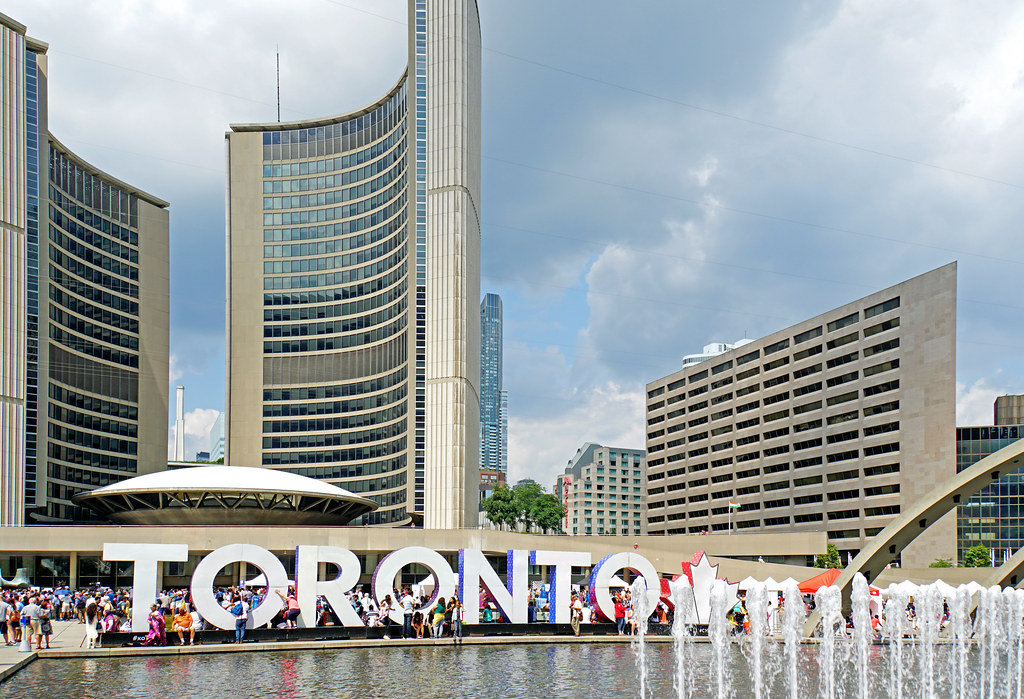
Walk down King West on any weekday and you'll pass the gleaming offices of venture-backed startups that most Torontonians have never heard of-yet their innovations have become woven into the fabric of daily life here. The Toronto tech ecosystem, buoyed by over $3.2 billion in venture capital deployed last year, has matured beyond consumer apps and is now tackling the unglamorous but essential problems that residents face every morning.
Consider transit. When Cityflex, a logistics optimization startup founded by University of Toronto engineers, secured $18 million in Series B funding in 2024, few commuters on the Bloor-Yonge line knew it. But the company's real-time crowd-prediction algorithm now helps TTC planners adjust service during rush hours, meaning fewer standees and marginally faster commutes for the 1.7 million weekly riders. It's the kind of change that saves Toronto residents collectively thousands of hours annually, though it happens invisibly.
The same applies to housing. Nested AI, operating out of a converted loft space in Liberty Village, raised $12 million to refine property appraisal technology that local real estate agents now use to price homes more accurately. In a market where Toronto's average home price hovers around $1.2 million, that algorithmic precision matters to buyers and sellers trying to avoid overpaying or underselling by hundreds of thousands of dollars.
Venture capital flowing into Toronto-much of it from Silicon Valley and Bay Street-has also sparked a wave of climate-tech solutions. Ecosphere Technologies, headquartered near the Distillery District, secured $25 million to scale their building emissions monitoring system. Already deployed in 47 commercial properties across downtown Toronto, the technology helps facility managers reduce energy waste by an average of 18 percent, directly lowering utility costs for tenants and office workers.
What distinguishes Toronto's current startup moment from earlier booms is maturity. Founders like those behind FreshFlow, a supply-chain platform for local food distributors that raised $8 million, aren't chasing cryptocurrency windfalls or social media virality. They're solving problems specific to Toronto's densely packed neighborhoods, aging infrastructure, and multicultural complexity.
The venture ecosystem itself has localized. Toronto's major VCs-including Radical Ventures and Real Ventures-increasingly invest in founders tackling Toronto-first problems, betting that solutions refined here scale across Canada and beyond. That alignment means the technology reshaping your commute, your apartment hunt, or your grocery delivery isn't just profitable; it's designed for how you actually live.
This article was compiled by AI and screened before publishing. See our editorial standards.