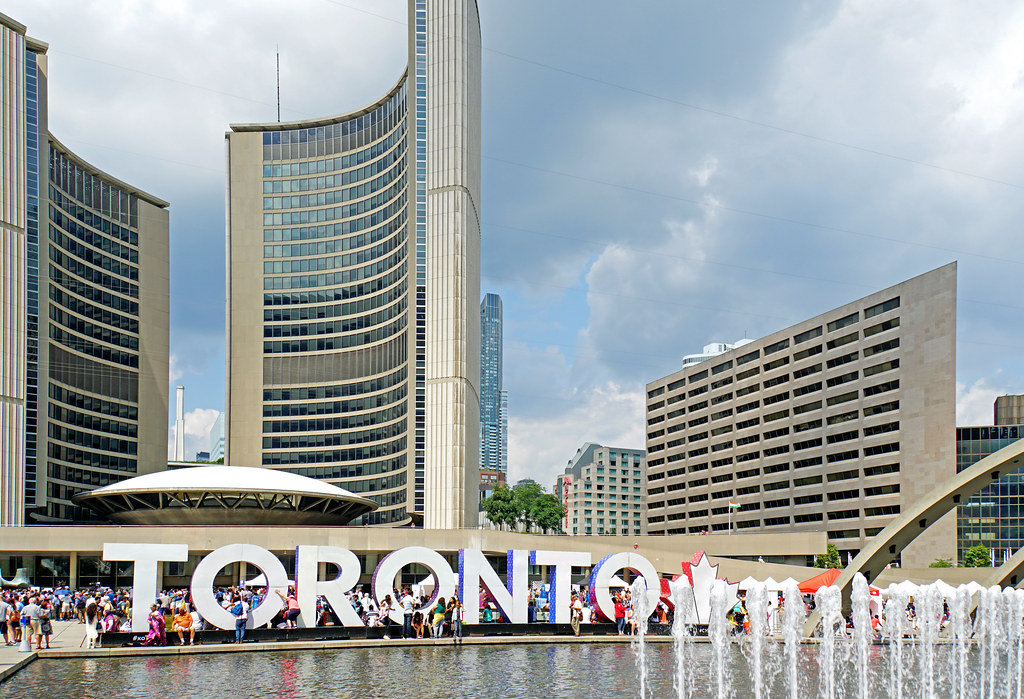
Toronto's thriving AI ecosystem is preparing for a significant inflection point. With over 800 AI and machine learning companies now operating across the city-many clustered around the MaRS Discovery District and King West-the focus is shifting from foundational technology toward practical, revenue-generating products that directly solve business problems.
The roadmaps being unveiled by local innovators suggest 2027 will be defined by three distinct waves of product development. First, supply-chain visibility tools are gaining serious traction. Several King West-based startups are building AI systems specifically designed for Ontario's manufacturing and logistics sectors, promising real-time inventory tracking and demand forecasting that competitors say could reduce waste by 18 to 25 percent. Industry analysts estimate the addressable market at roughly $2.4 billion across Eastern Canada alone.
Second, hyperlocal retail optimization is emerging as a Toronto-specific opportunity. Companies operating near the Distillery District and in Leslieville are developing AI platforms that help small and mid-sized retailers personalize in-store experiences and optimize stock based on neighborhood demographics and weather patterns. One emerging player recently closed a $4.2 million seed round to expand this capability across the GTA.
The third wave involves AI-powered human resources and talent management. With Toronto's tight labor market-unemployment sitting below 5.5 percent in the city proper-firms are racing to launch recruitment tools that use predictive analytics to identify and retain high-performing employees. Several Bay Street financial institutions have already begun pilot programs with local vendors.
Industry watchers point to a crucial distinction between Toronto's approach and that of competitors in Silicon Valley or Montreal. Local firms are emphasizing regulatory compliance, data privacy, and integration with existing legacy systems-reflecting the city's deep ties to banking, healthcare, and government sectors.
The Canadian AI Consortium, based downtown near University Avenue, reports that 62 percent of Toronto-area AI startups are now focused on B2B applications rather than consumer-facing products. This pragmatic shift has attracted significant institutional investment; venture capital funding for local AI companies reached $1.8 billion in 2025, up 34 percent year-over-year.
For Toronto's broader business community, the implication is clear: AI integration is transitioning from optional to essential. The next 18 months will likely determine which local companies thrive and which fall behind-making the timing of these product launches critical for the city's continued competitive advantage in North America's tech landscape.
This article was compiled by AI and screened before publishing. See our editorial standards.