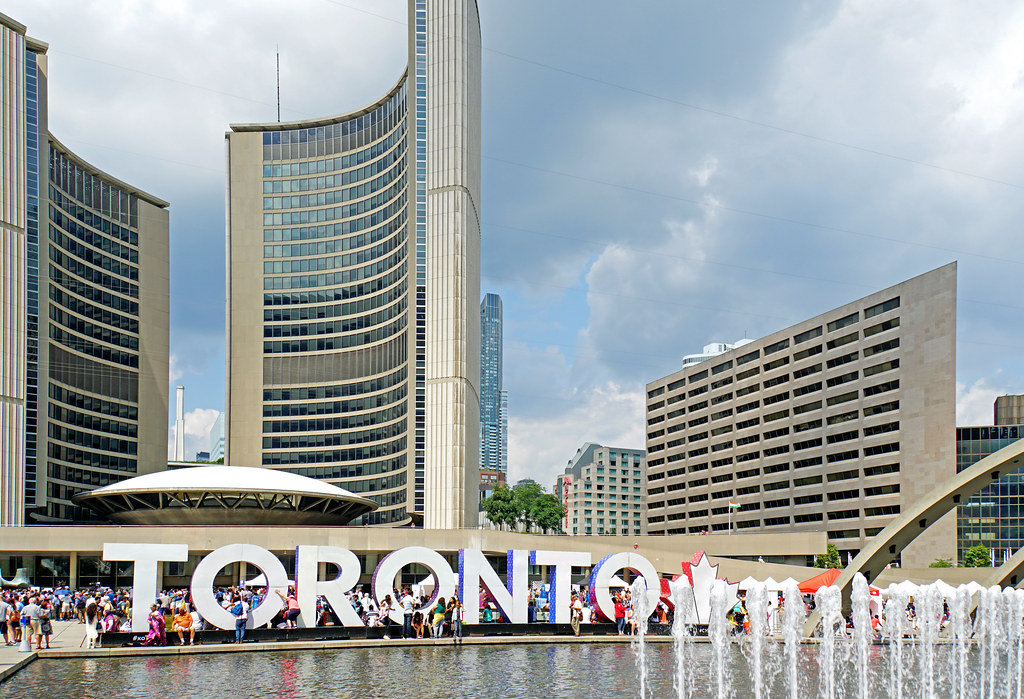
Toronto's transformation into a smart city powerhouse isn't happening by accident. Over the past three years, the city has become a magnet for digital government technology investment, with venture capitalists and institutional funds backing a new generation of civic tech startups that are rewriting how municipalities manage everything from traffic flows to waste management.
The numbers tell the story. According to data from the Toronto Global Investment office, civic tech and smart city investments in the Greater Toronto Area exceeded $340 million in 2025-a 67 percent jump from 2023. That acceleration is fueling expansion across Waterfront Innovation District, where companies are clustering near the Gardiner Expressway, and along King West, where incubators and accelerators have become as common as espresso bars.
"We're seeing institutional investors view Toronto as the proving ground for scalable municipal technology," explains the ecosystem of founders building solutions on the city's streets. A growing cadre of startups are tackling concrete problems: traffic optimization systems that reduce congestion on the Gardiner and Lake Shore Boulevard, sensor networks monitoring the Don Valley for flooding risks, and digital platforms streamlining permit applications at City Hall's Victory Square location.
The City of Toronto itself has become a crucial client. Municipal procurement contracts for smart infrastructure upgrades reached $87 million last year, with additional funding flowing from federal and provincial digital government initiatives. This creates a virtuous cycle: successful deployments in Toronto become templates for cities across Canada, attracting more investment to the region.
The talent pipeline is equally impressive. University of Toronto's engineering and computer science programs have become feeder systems for civic tech talent, while Ryerson's DMZ accelerator has launched multiple companies now operating city infrastructure projects. Real estate in the King West and South Core corridors-where many firms cluster-reflects the boom, with office leasing rates climbing as scale-ups expand their footprints.
Not everyone is uncritically celebrating the moment. Privacy advocates and digital rights organizations have raised concerns about data collection standards and algorithmic transparency in some municipal systems. These tensions are shaping how the next wave of investment flows.
Still, for entrepreneurs and investors, Toronto's smart city moment represents something rare: a confluence of municipal appetite for innovation, available capital, and technical talent. As other Canadian cities watch Toronto's progress, the investment dollars keep flowing into the region's digital government ecosystem.
This article was compiled by AI and screened before publishing. See our editorial standards.