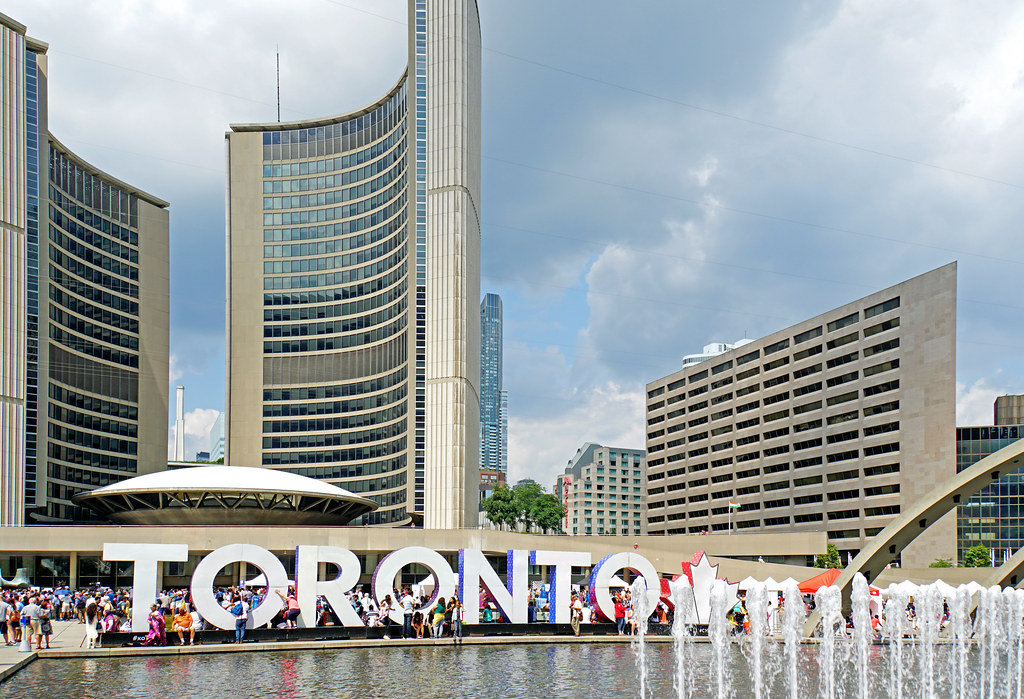
Toronto's Smart City Challenge victory in 2019 promised transformative change. Now, halfway through 2026, City Hall is preparing to launch the second wave of digital infrastructure that will reshape how residents interact with municipal services and move through the city.
The most visible rollout begins this fall: an integrated mobility hub network connecting the Dundas West corridor through King West to the St. Lawrence neighbourhood. Rather than isolated bike lanes and transit stops, residents will soon access a unified app showing real-time availability of GO Transit, TTC streetcars, bike-share units, and car-share vehicles simultaneously-a project that builds on the 2024 pilot that reduced commute confusion by 23 percent, according to city data.
Behind the scenes, Toronto's Operations Centre on Front Street is deploying predictive asset management software across pothole repair and water main breaks. Using AI trained on 15 years of infrastructure failure patterns, the city expects to catch problems before they cause service disruptions-potentially saving $40 million annually in emergency repairs.
Sidewalk Labs' exit in 2020 left questions about Toronto's smart city ambitions, but the city has quietly built out homegrown capacity. The Toronto Innovation Hub, now anchored at 10 Fort York Boulevard, is coordinating with Civic Tech Toronto and local developers to create open-source tools for neighbourhood-level service requests. A new 311 evolution launches next quarter: geolocation-based reporting that automatically routes complaints to relevant agencies and provides residents with real-time resolution updates.
Perhaps most significantly, the Scarborough digital equity initiative-addressing the digital divide that has long marked outer neighbourhoods-expands into North York and Etobicoke this summer. Free public WiFi infrastructure at community centers, subsidized devices, and digital literacy programs target the estimated 14 percent of Toronto households lacking reliable home internet.
City Councillors and bureaucrats involved with the Smart City Challenge acknowledge the work is unglamorous compared to private-sector tech. But the roadmap reflects a shift toward practical outcomes: faster potholes fixed, cleaner air data from expanded sensor networks across Liberty Village and the Distillery District, and reduced response times for emergency services in underserved areas.
Toronto's transformation is no longer about headline-grabbing innovation. It's about making a city of 2.9 million function more smoothly-one app update, one data pipeline, one connected intersection at a time.
This article was compiled by AI and screened before publishing. See our editorial standards.