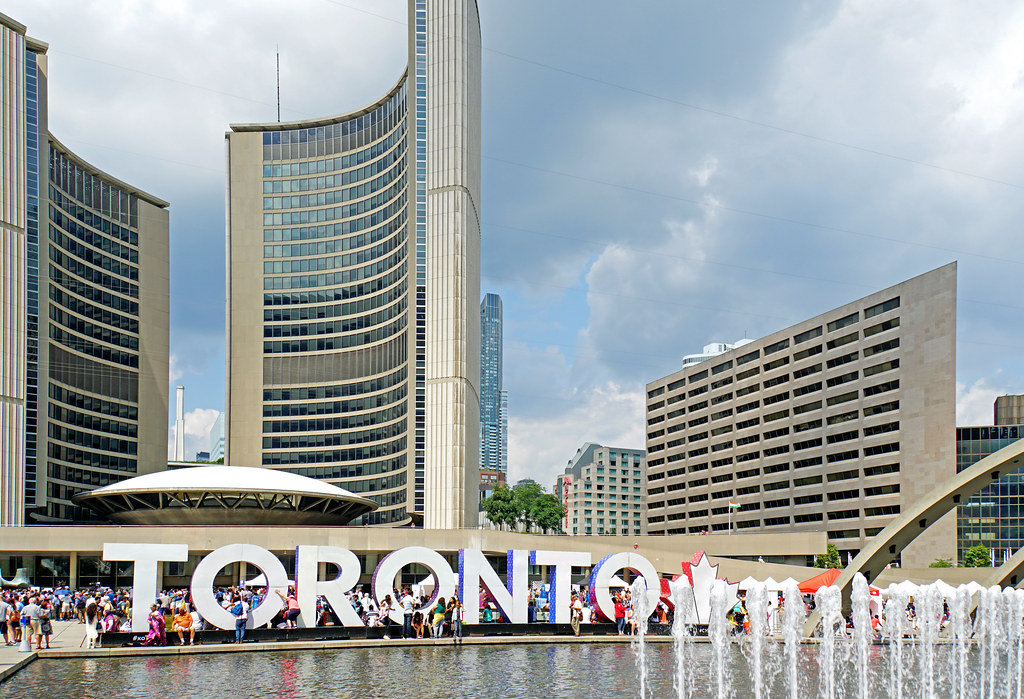
Walk down King Street West on any given Tuesday, and you'll witness something unusual for a major tech hub: competitors sharing coffee. This casual intersection of entrepreneurs, engineers, and investors-many of whom literally work within blocks of each other-reveals something fundamental about Toronto's technology ecosystem that sets it apart from Silicon Valley's zero-sum culture or London's financial-sector dominance.
Toronto's tech sector has grown to represent approximately 8.5% of the city's GDP, with over 270,000 technology workers according to recent industry data. Yet what distinguishes this ecosystem isn't just scale-it's architecture. Unlike concentrated innovation hubs built around a single industry or venture capital model, Toronto has developed something messier but ultimately more resilient: a genuinely multi-sectoral innovation environment.
The numbers tell part of the story. Average rents in the King West corridor run $25-35 per square foot annually, roughly half what companies pay in downtown San Francisco. This affordability hasn't gone unnoticed. Major players like Google, Meta, and Amazon maintain substantial engineering operations here, but they coexist with thriving homegrown companies like Shopify (headquartered in Ottawa but with massive Toronto presence), Wealthsimple, and Ritchie Bros. Auctioneers' digital transformation division.
But economics alone don't explain Toronto's distinctive position. The city's tech ecosystem draws strength from genuine institutional diversity. The University of Toronto's computer science department ranks among North America's top five, consistently feeding talent into the local market. Ryerson University's entrepreneurship focus creates a steady stream of startup founders. Meanwhile, MaRS Discovery District-housed in the historic Medical Arts building-provides infrastructure that explicitly bridges academia, corporate R&D, and early-stage companies. This mix is intentional, not accidental.
Perhaps most distinctive is how Toronto's tech community has resisted the 'move fast and break things' ethos that alienated tech sectors in other cities. Immigrant representation in Toronto's tech workforce exceeds 40%, creating networks that connect this city directly to markets and talent pools worldwide. The Bay Street financial sector's proximity to King West means serious capital exists here, but it operates with different incentive structures than purely venture-driven ecosystems.
That Stripe, Databricks, and ServiceTitan have chosen Toronto for significant operations-and that Canadian founders increasingly look here first for growth capital-suggests the model works. The city isn't trying to become the next Silicon Valley. It's becoming something distinctly Toronto: a place where innovation happens not through domination, but through conversation.
This article was compiled by AI and screened before publishing. See our editorial standards.