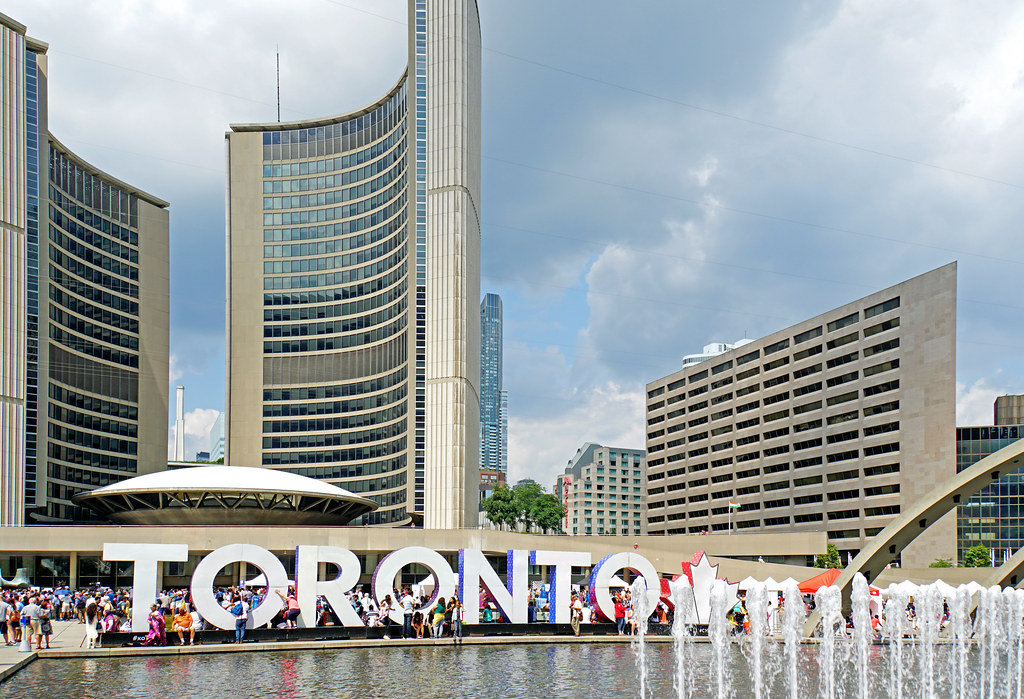
The conversion of King West warehouse lofts into gleaming tech campuses has become as Toronto as blue jays and CN Tower selfies. Venture capital deployment in the Greater Toronto Area topped $2.1 billion last year, according to industry trackers, fuelling explosive growth in neighbourhoods from Liberty Village to the Distillery District. But beneath the headlines about the next unicorn and the latest Series B round lies a more complicated reality: one where ambition collides with ethics, access clashes with exclusivity, and promise obscures persistent blind spots.
The numbers look impressive. Major VC firms have planted flags across Toronto-from the Battery in MaRS Discovery District to newer funds clustering around Bloor West. Accelerators and incubators line Simcoe Street. Yet venture funding remains notoriously homogeneous. Women founders receive roughly 13 per cent of Canadian venture dollars, while Black and Indigenous entrepreneurs hover near single digits. In a city as diverse as Toronto-where over half the population is born outside Canada-the startup ecosystem's investment patterns tell a story of exclusion masked by celebration.
There's also the question of what gets built. Billions flow toward consumer apps and B2B software, while foundational problems-affordable housing tech, equitable healthcare solutions, environmental remediation-struggle for capital. The pressure to achieve eye-watering valuations and 10x returns incentivizes founders toward markets that excite venture investors, not necessarily markets that serve Toronto residents most in need.
Labour practices have emerged as another flashpoint. High-growth startups in Toronto's tech belt are notorious for demanding 60-hour weeks, minimal job security, and equity-heavy compensation that only pays off if the bet succeeds spectacularly. When it doesn't-and statistically, most don't-employees bear the cost. Equally troubling: startup culture's glossy mythology obscures how much failure destroys personal savings and mental health.
Then there's the environmental angle. Toronto startups in cryptocurrency, cloud infrastructure, and AI are energy-intensive in ways that venture marketing rarely acknowledges. The carbon footprint of venture-backed hype cycles goes largely unexamined.
The promise remains real. Toronto's tech ecosystem has created genuine jobs, exported intellectual property, and attracted world-class talent. The challenge is building it more thoughtfully: demanding that VCs and founders interrogate who they fund and why; rewarding solutions that address inequality rather than entrench it; and celebrating success measured not just in dollars but in positive impact on the city itself.
That conversation is starting. Whether it scales fast enough is the real test.
This article was compiled by AI and screened before publishing. See our editorial standards.