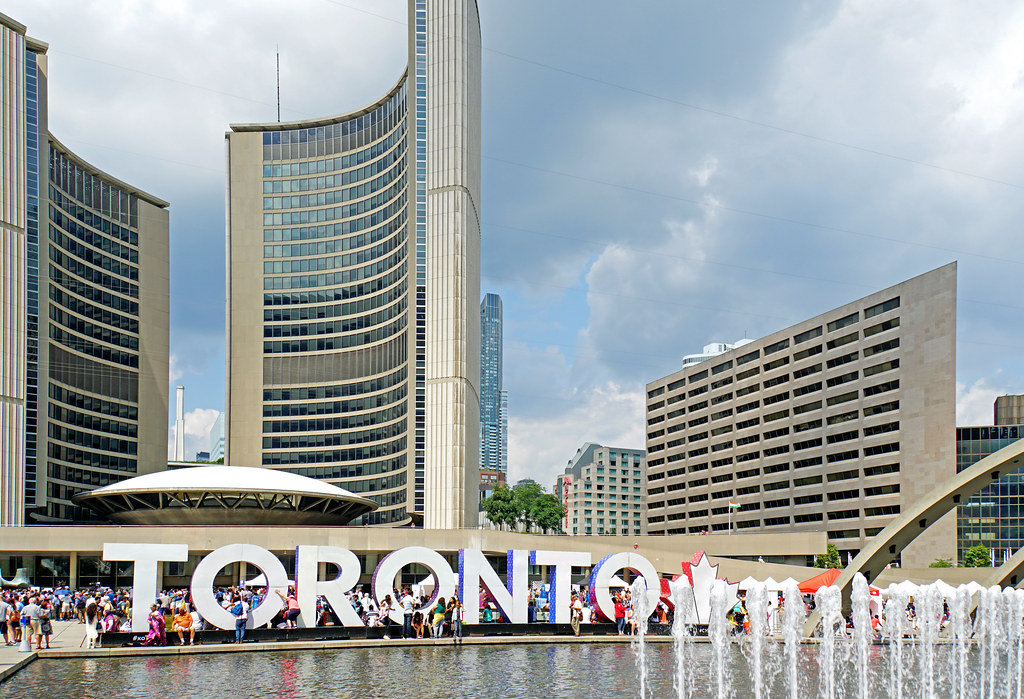
When Toronto's 311 service migrated to an AI-powered chatbot in 2024, the city didn't just solve a municipal problem-it created a case study that urban planners from Singapore to Stockholm now reference. That shift captures something deeper about Toronto's distinctive approach to gov-tech: a willingness to experiment that balances innovation with the kind of accountability that North American governments demand.
Unlike Silicon Valley's move-fast-and-break-things mentality, or the top-down state planning of some international competitors, Toronto's tech ecosystem sits at an intersection that few cities occupy. The city's tech corridor-anchored by the MaRS Discovery District on College Street, the burgeoning Waterfront Innovation District, and satellite hubs in King West-has cultivated a uniquely pragmatic innovation culture. Venture capital investment in Toronto's tech sector exceeded $3.1 billion in 2024, according to regional data, but much of that money flows toward companies solving real civic problems, not just chasing moonshots.
City Hall's partnership model deserves credit. Rather than building gov-tech solutions entirely in-house or outsourcing wholesale to consultants, Toronto has created a middle ground: co-development frameworks with startups like Wattpad (now part of Naver), Shopify's roots here, and newer civic-focused ventures. The city's participation in the World Economic Forum's C40 Cities network has also shaped this approach, embedding Toronto in a global conversation about urban resilience without the imperial tendencies of tech-first cities.
The Sidewalk Labs debacle-Google's ambitious (and ultimately abandoned) Quayside project-actually strengthened Toronto's distinctive position. The public pushback in 2020 forced a reckoning about data ownership, community benefit, and the limits of tech solutionism. Today's municipal projects, whether the TTC's real-time transit optimization or the Toronto Parking Authority's sensor networks, operate with explicit guardrails around privacy and public benefit that reflect lessons learned.
Geography matters too. Toronto's proximity to both Silicon Valley capital and Washington regulatory expertise gives it unusual diplomatic range. Unlike purely domestic tech hubs, Toronto functions as a bridge between American innovation and Canadian governance values-a distinction that makes the city attractive to companies navigating regulatory complexity.
The real test comes next. As Toronto expands its smart city ambitions-from waste management optimization to equitable broadband deployment across neighbourhoods like Regent Park-the city's ability to maintain this balance will determine whether its gov-tech model truly is globally distinctive, or simply the latest cycle of well-intentioned urban experimentation.
This article was compiled by AI and screened before publishing. See our editorial standards.