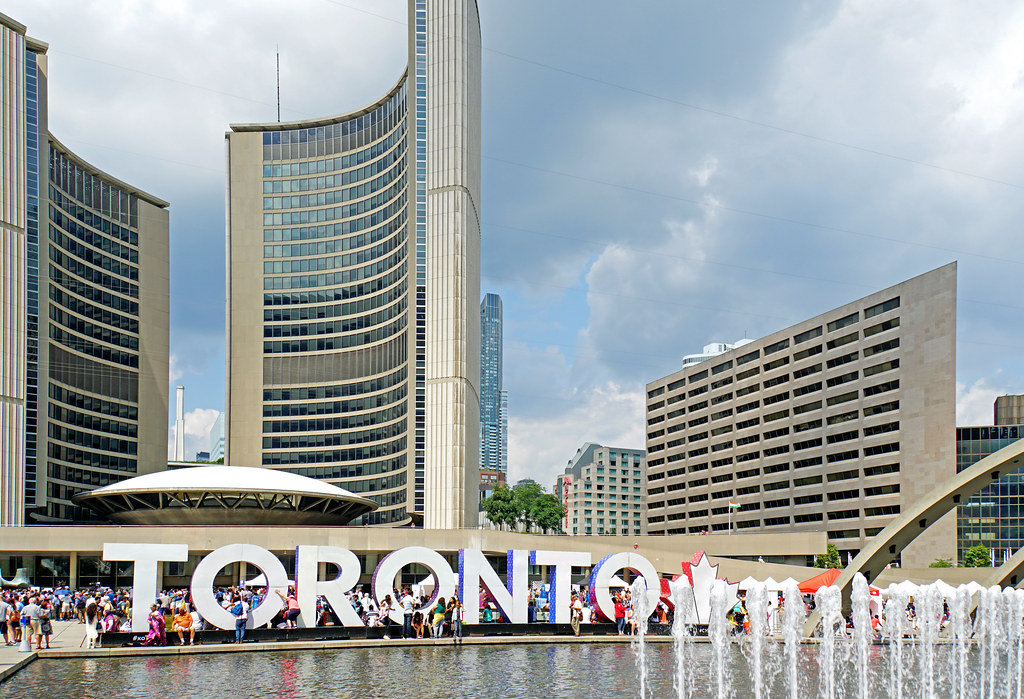
Walk into any coffee shop along King West these days, and you'll overhear conversations about API architectures and payment rails as naturally as you'd hear them in San Francisco or New York. But Toronto's fintech ecosystem has quietly carved out something distinctly its own-one that global investors and talent scouts are starting to notice with real intensity.
The numbers tell part of the story. Toronto fintech companies attracted roughly $1.2 billion in venture funding last year, positioning Canada's largest city among the top five North American hubs for financial technology investment. But the real secret isn't just the money flowing in; it's what makes this city structurally different from its competitors.
Unlike Silicon Valley, which obsesses over consumer apps, or New York, which is tethered to legacy banking infrastructure, Toronto has emerged as a genuine bridge between the North American and global financial systems. The city's position as headquarters for Canadian banks-Royal Bank, TD, and Scotiabank all have major operations here-creates something rare: established institutions willing to experiment with startups on their doorstep. Several fintech firms operating out of Bloor-Yorkville and the emerging tech corridor near Front Street have embedded teams directly within these legacy banks, essentially operating inside the machine while maintaining startup velocity.
Regulatory environment matters enormously. The Office of the Superintendent of Financial Institutions (OSFI) and the Financial Transactions and Reports Analysis Centre (FINTRAC) have developed a reputation for being rigorous yet pragmatic-willing to create sandboxes for innovation without the heavy-handed restrictions seen in some jurisdictions. A fintech founder working on cross-border payments told colleagues recently that Toronto's regulatory clarity shaved eighteen months off their compliance roadmap compared to entering other markets simultaneously.
There's also the talent arbitrage. Salaries for senior engineers in Toronto run 15-25 percent below Bay Area equivalents, yet the city attracts world-class technologists who prefer not to move. Waterloo's tech corridor feeds a steady stream of graduates northward, while immigration policies remain relatively open for skilled workers-crucial for a sector built on global talent mobility.
What distinguishes Toronto from Austin or Montreal is scale paired with specialization. The city has enough density to support a mature ecosystem-venture firms, legal specialists, accelerators-yet remains small enough that founders run into each other at industry conferences and actually know the same people. The Toronto Fintech Forum, now in its eighth year, regularly draws 2,000+ participants.
As geopolitical tensions reshape global finance, Toronto's position-North American but not Silicon Valley, multicultural, connected to international capital flows-is looking increasingly strategic. The city isn't trying to be the next New York or San Francisco. It's becoming something different entirely.
This article was compiled by AI and screened before publishing. See our editorial standards.