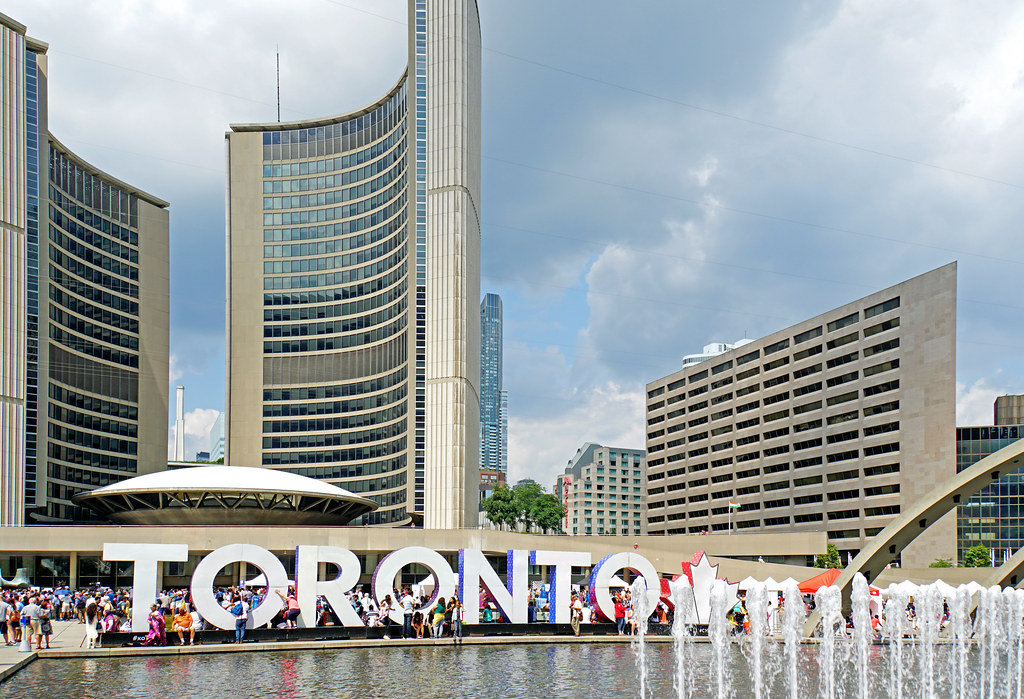
Toronto's cybersecurity ecosystem is bracing for a fundamental shift. With Canadian organizations reporting a 23% year-over-year increase in breach incidents, companies headquartered in and around King West and the emerging tech corridor near the Distillery District are racing to deploy next-generation defenses that go beyond traditional firewalls and endpoint detection.
The roadmaps being unveiled this summer signal a decisive pivot toward preventative, AI-driven solutions. Several Toronto-based firms are targeting Q4 2026 launches for behavioral analytics platforms that learn organizational patterns in real-time, flagging anomalies with minimal false positives-a persistent pain point that has plagued Chief Information Security Officers across the Greater Toronto Area for years.
One critical development gaining traction involves quantum-resistant cryptography. As quantum computing edges closer to practical deployment, firms like those clustered in the MaRS Discovery District are investing heavily in lattice-based encryption protocols. Industry analysts estimate that early adopters will have a 18-24 month competitive advantage before quantum threats materialize at scale.
Privacy-by-design architecture represents another frontier. Rather than bolting security onto existing systems, the next generation of tools bakes encryption and data minimization into foundational code. This approach reflects growing regulatory pressure-particularly from Ontario's strengthened privacy amendments-and reflects lessons learned from the SolarWinds compromise and similar supply-chain incidents that exposed the fragility of legacy systems.
Pricing remains a barrier for mid-market organizations across the GTA. Enterprise solutions from established vendors routinely exceed $500,000 annually for 500+ employee organizations. Emerging Toronto startups are explicitly targeting the $50,000-$150,000 segment, betting that modular, cloud-native architectures can deliver institutional-grade protection without requiring dedicated security teams.
Integration with existing infrastructure poses another challenge. Many Toronto organizations still operate hybrid environments spanning on-premises servers and multi-cloud deployments. Vendors are responding with agnostic platforms that communicate seamlessly across AWS, Azure, Google Cloud, and private data centers-critical for organizations headquartered downtown or operating from Vaughan logistics hubs.
The sector's momentum reflects Toronto's broader tech maturation. Unlike five years ago, when cybersecurity remained an afterthought, today's IT leaders are treating it as central to competitive strategy. Conferences hosted at the Metro Toronto Convention Centre regularly draw 2,000+ attendees. Venture capital flowing into local cybersecurity startups exceeded $180 million in 2025-double the 2023 figure.
By year-end, expect announcements around automated incident response, zero-trust network architectures, and privacy orchestration platforms. The next chapter of Toronto's cybersecurity story will be defined not by reactive threat response, but by intelligent, adaptive systems that stay ahead of adversaries.
This article was compiled by AI and screened before publishing. See our editorial standards.