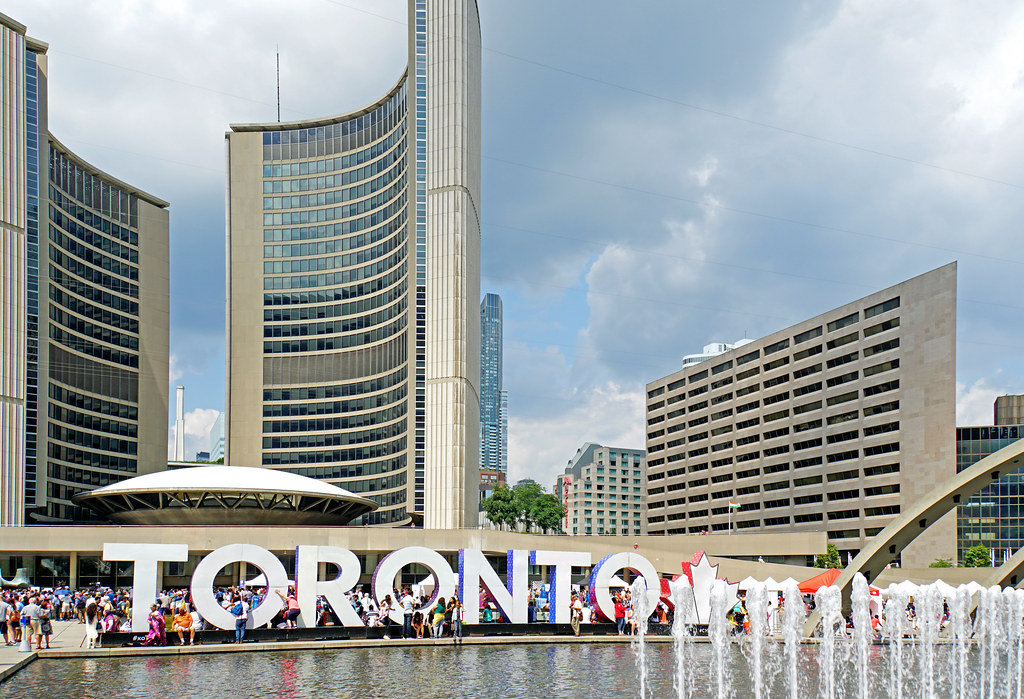
Toronto's transformation into a smart city powerhouse isn't happening by accident-it's the result of sustained investment that's reshaping how the city's government operates and serves its 2.9 million residents.
Over the past three years, venture capital and municipal funding directed toward Toronto's digital infrastructure and govtech sector has exceeded $2.3 billion, according to recent analysis by the Toronto Innovation Institute. The momentum reflects a broader continental shift: cities are racing to modernize aging systems, and investors are betting heavily that Toronto's dense urban core and tech-savvy ecosystem make it an ideal testing ground.
The investment wave is particularly evident in neighbourhoods already primed for innovation. Waterfront Toronto's ongoing digital infrastructure overhaul-which includes smart traffic management and real-time utility monitoring across 800 acres-represents the single largest municipal investment at $487 million. Meanwhile, the King West corridor has become ground zero for govtech startups, with at least 47 companies focused on municipal services now operating from converted heritage buildings and modern office towers between Simcoe and Bathurst.
"We're seeing institutional investors treat govtech as seriously as fintech now," says a senior analyst at Toronto-based Meridian Venture Partners, which has deployed $340 million into the sector since 2023. Bay Street's big financial institutions, historically focused on traditional infrastructure, are increasingly committing capital to digital municipal solutions.
The city's own capital commitments tell the story. Toronto City Council approved $156 million in 2025 for smart traffic systems, permitting automation, and citizen engagement platforms-nearly triple the allocation from five years earlier. The Toronto Transit Commission separately invested $89 million in real-time passenger information systems and predictive maintenance infrastructure, projects that have attracted private sector partners eager to demonstrate scalable solutions.
What's driving this acceleration? Aging infrastructure, climate adaptation pressures, and post-pandemic appetite for digital government services. Cities like Vancouver and Montreal are investing too, but Toronto's combination of venture capital density, municipal willingness to adopt new technologies, and existing tech talent pools has made it a magnet for ambitious entrepreneurs and institutional capital.
Not everyone views the trend uncritically. Privacy advocates have raised concerns about data collection in smart city systems, and affordability activists worry that digital-first services may exclude residents without reliable internet access. Still, the investment momentum shows no signs of slowing. Analysts predict Toronto's govtech sector could reach $4.1 billion in annual economic output by 2030, positioning the city as a model for other major North American municipalities seeking their own digital transformation.
This article was compiled by AI and screened before publishing. See our editorial standards.