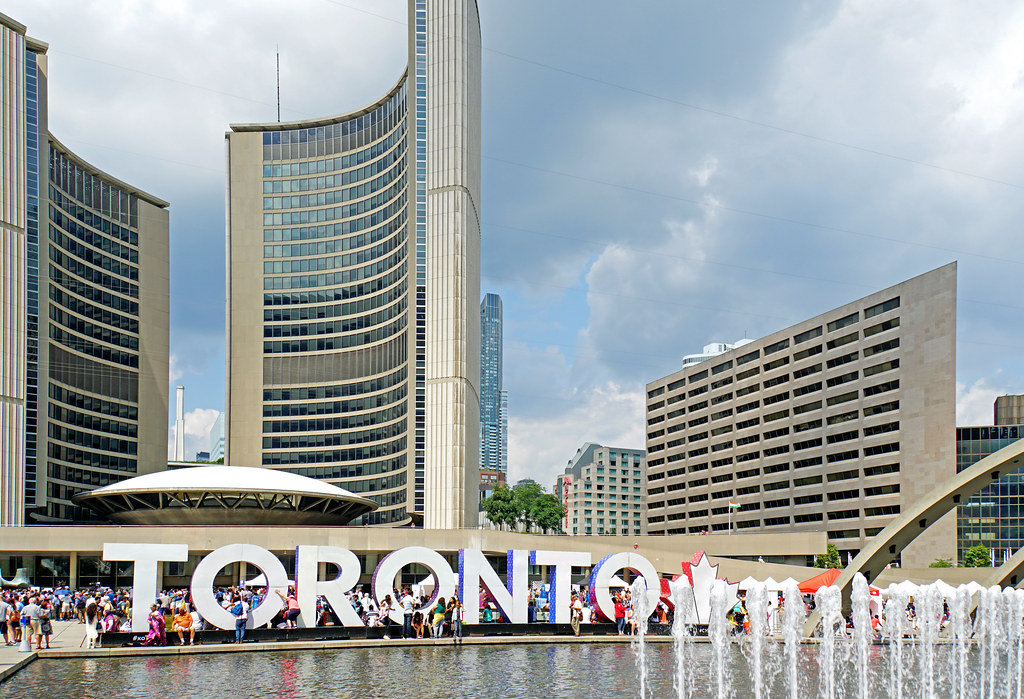
Walk through the tech corridor along King West and you'll notice something has shifted in the past eighteen months. The startups clustering around the old Shopify offices and in converted lofts near Simcoe Street aren't chasing consumer apps anymore-they're solving for cities.
Toronto's smart city pivot reflects a larger appetite from municipalities drowning in legacy systems. The TTC's aging ticketing infrastructure, the city's fragmented housing data platforms, and increasingly erratic weather patterns affecting infrastructure planning have created urgent problems that venture capital is now willing to fund.
Three trends are shaping the moment. First, real-time transit analytics. After the TTC's winter delays left commuters stranded across the 416 and 905, several early-stage teams in the Distillery District are building AI-powered prediction layers that integrate bus, streetcar, and subway feeds. One bootstrapped firm has already piloted a hyperlocal congestion app with Toronto Parking Authority, tracking usage patterns across downtown lots.
Second, housing data infrastructure. The city's affordability crisis has sparked demand for transparency tools. Startups are aggregating municipal property tax records, shelter system data, and rental market signals to help city planners model intervention scenarios. The Ontario government's recent commitment to 1.5 million new homes by 2031 has suddenly made this work fundable.
Third, green infrastructure monitoring. With flooding becoming routine in the Rosedale and Leslieville areas, companies are deploying IoT sensor networks to track stormwater systems in real time. One startup has already secured a pilot with Toronto Water to monitor the Don Valley Watershed.
The economics are changing too. Government contracts-typically the domain of established consultancies like Deloitte and IBM-are now flowing to teams of fifteen people working from shared office space in Liberty Village. A climate tech accelerator based near Queen West has received $2.3 million in municipal funding to support govtech founders specifically.
Venture investors are noticing. Several Toronto-based seed funds have created dedicated govtech tracks. The barrier to entry remains regulatory complexity and procurement timelines measured in years, not months. But the founders moving here from Vancouver and San Francisco recognize something: Toronto's governance challenges are urgent enough to justify the friction.
The smart city isn't coming to Toronto. It's being built here, one API integration at a time.
This article was compiled by AI and screened before publishing. See our editorial standards.