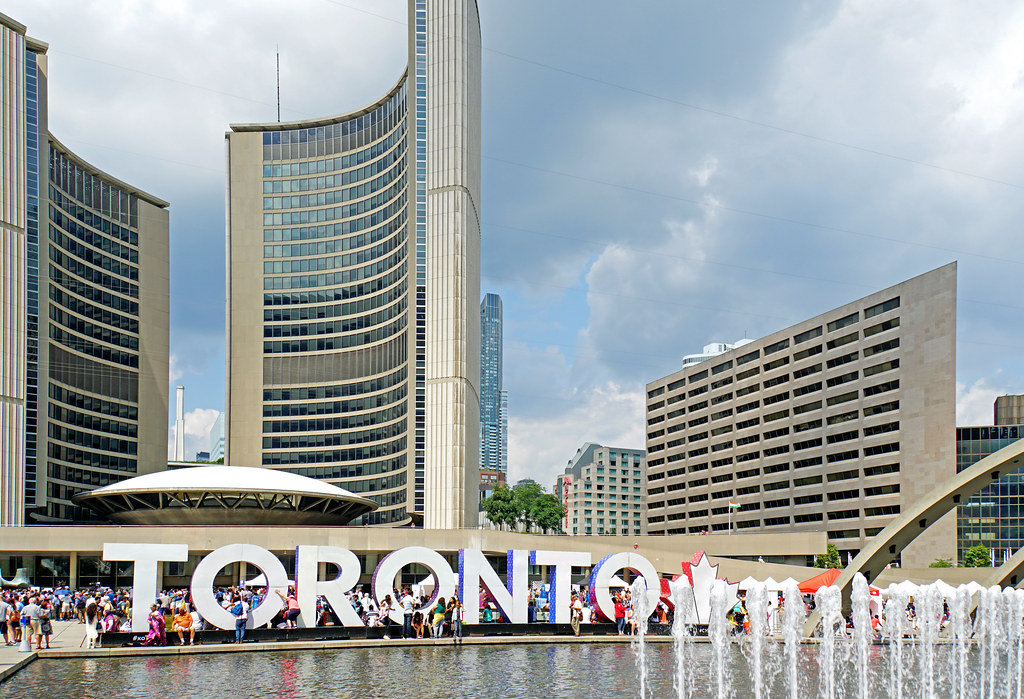
Toronto's venture capital ecosystem is experiencing a remarkable renaissance. Through the first half of 2026, early-stage startups across the Greater Toronto Area have attracted over $1.2 billion in funding-a 34 percent increase compared to the same period last year, according to preliminary data from Canada's Venture Capital Association. The momentum reflects a broader shift in how global investors view the city's tech credentials.
The transformation is most visible along King West, where glass-fronted office towers now house dozens of venture-backed firms. Spaces that once sat half-empty are commanding premium lease rates, with some landlords reporting 18-month waiting lists. The MaRS Discovery District, still the city's flagship innovation hub, has expanded its portfolio to support 250 resident companies-up from 180 in early 2024. Supporting infrastructure has proliferated: co-working spaces like WeWork locations in the Entertainment District are fully booked, while boutique alternatives have sprouted in Liberty Village and along the Don Valley corridor.
What's driving this capital influx? Industry observers point to a maturing talent pool, lower operational costs than Silicon Valley, and proximity to American markets. Toronto-based AI and climate tech startups, in particular, have attracted sustained interest from mega-funds and international syndicates. A Series B round for a local autonomous vehicle safety company closed at $52 million in April-one of the largest provincial raises this year.
But the growth story extends beyond downtown. Emerging hubs in Mississauga, Markham, and Waterloo are capturing overflow investment, with venture firms opening satellite offices to scout talent across the 905 region. DTZ Nomad, a real estate services firm, reported that Toronto's tech real estate commands an average lease price of $28 per square foot annually-still 40 percent below comparable San Francisco space, and significantly cheaper than Seattle or Boston.
Still, challenges persist. Venture partners acknowledge that follow-on funding rounds remain tighter than in the U.S., and that exits-the ultimate validation of an ecosystem-remain modest by global standards. Toronto has produced fewer unicorns than peers like Vancouver or Calgary relative to capital deployed.
Yet momentum is undeniable. Angel networks are proliferating, corporate venture arms from Canadian banks and insurance giants are deploying capital with renewed urgency, and talent migration into the city continues. For entrepreneurs scouting addresses on King West or in the Annex, 2026 marks a inflection point: Toronto's startup funding story is no longer aspirational. It's becoming structural.
This article was compiled by AI and screened before publishing. See our editorial standards.