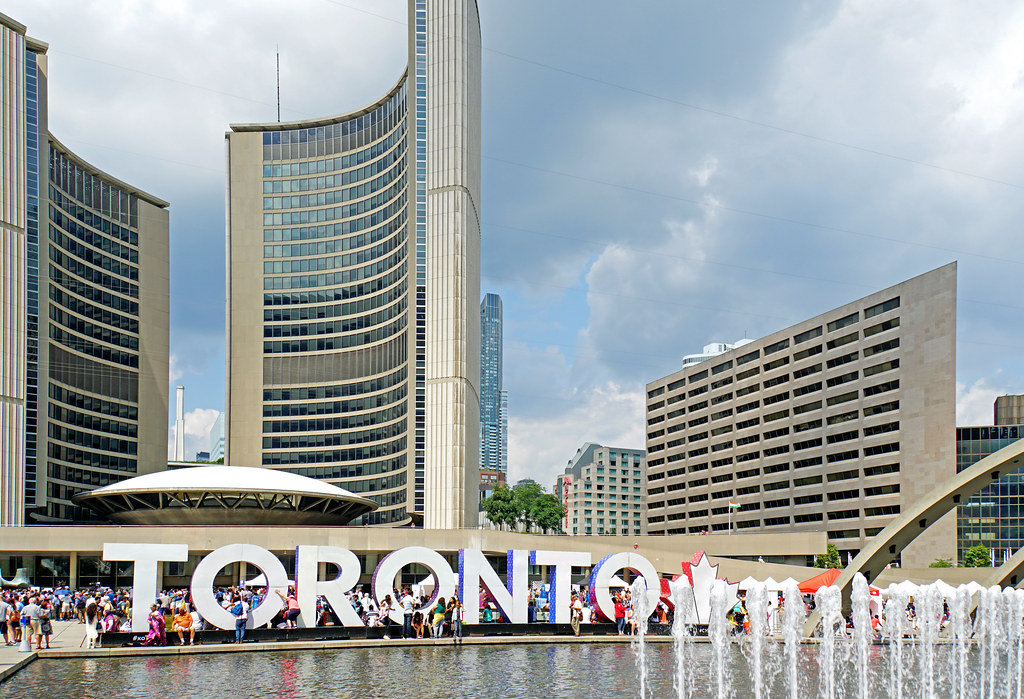
Walk through the Distillery District on a Friday evening, and you'll notice something subtle: fewer people clutching paper transit schedules. Many are instead refreshing apps funded by Toronto-based venture firms, monitoring real-time TTC delays from their phones while deciding whether to catch the streetcar or walk south toward the Esplanade.
This is the unglamorous reality of Toronto's booming startup ecosystem. While global headlines focus on AI megafunds and biotech breakthroughs, homegrown companies backed by local VCs-firms like Inovia Capital and Real Ventures, which have collectively deployed over $500 million into Canadian startups since 2020-are solving the friction points that affect residents' daily routines.
Consider the residential blocks along Queen West, where a surge in micro-fulfillment startups has compressed grocery delivery times from hours to minutes. Young families in Liberty Village no longer need to plan shopping around inflexible delivery windows. Similarly, students cramming in cafés throughout the University of Toronto's St. George campus increasingly rely on VC-backed expense-splitting and budgeting platforms designed specifically for shared housing and campus life.
"The venture capital landing here isn't just about moonshot valuations," explains the city's tech landscape. Between 2023 and 2025, Toronto startups raised approximately $3.1 billion annually-down from pandemic peaks but stabilizing around healthcare, climate tech, and software solutions addressing local supply chain inefficiencies. Many of these companies employ teams in King West office towers or Shopify's downtown spaces, creating a feedback loop: founders live here, so they build for problems they experience here.
The MaRS Discovery District, near College and University, has become a physical hub where this happens. Dozens of VC-backed ventures operate from its labs and co-working spaces, collectively serving problems from building permit delays to improving last-mile delivery across the Greater Toronto Area.
Property owners on Bloor East have noticed parking management startups reducing street congestion. Healthcare workers at Mount Sinai Hospital benefit from shift-scheduling platforms backed by local capital. These aren't Silicon Valley unicorns chasing billion-dollar exits-they're profitable, pragmatic solutions addressing Toronto-specific inefficiencies.
The real measure of Toronto's maturing VC ecosystem isn't the total capital deployed or the number of exits. It's simpler: how many daily frustrations have quietly vanished from residents' lives, replaced by frictionless systems built by entrepreneurs who know the city's particular rhythms and bottlenecks intimately.
This article was compiled by AI and screened before publishing. See our editorial standards.