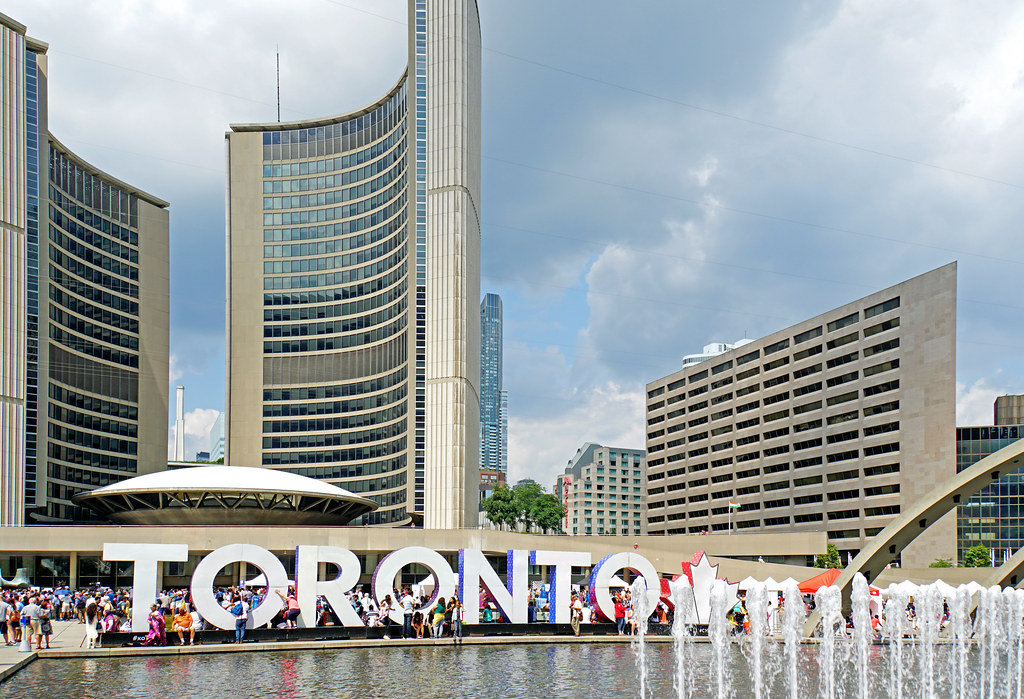
When civic technologists talk about smart cities, they often conjure images of sensor-laden streets and AI-powered traffic systems. Toronto's approach is different-and that's precisely why urban planners from Singapore to Stockholm are taking notes on what's happening along the Waterfront and across neighbourhoods like King West.
The city's distinctive edge lies in its willingness to treat digital transformation as a civic equity issue, not just an efficiency play. Toronto's Smart City Initiative, anchored by partnerships between the City of Toronto, universities like Ryerson and U of T, and companies clustered in the MaRS Discovery District, has prioritized solving problems that affect residents directly: affordable housing data transparency, transit accessibility for people with disabilities, and hyperlocal environmental monitoring in underserved communities.
"What makes Toronto different is the explicit focus on inclusion," explains the work being done through the city's various innovation hubs. Unlike competitors pursuing top-down smart infrastructure, Toronto's model involves residents from the ground up. The Sidewalk Labs legacy-while controversial-left behind a template for community consultation that subsequent projects have refined rather than abandoned.
The numbers reflect this maturity. Toronto's tech sector generated $43.7 billion in economic output in 2024, with govtech and civic tech representing one of the fastest-growing subsectors. Companies like Wattpad (now owned by Naver but headquartered here), Shopify's Toronto operations, and dozens of smaller civic tech startups have created a talent pipeline that actually stays local-a rarity in North America.
The city's commitment to open data has been foundational. Toronto's Open Data Portal, launched in 2011, remains one of North America's most comprehensive municipal datasets. This infrastructure attracted international talent to roles at City Hall itself, creating a rare phenomenon: government tech jobs that compete directly with private sector salaries.
But Toronto's true distinction emerges in how it handles the messy reality of implementation. Other cities announce smart city initiatives; Toronto implements them across different neighbourhoods, measuring outcomes, and adjusting. The Bloor-Yorkville traffic management pilot, the Liberty Village affordable housing data project, and the Scarborough water quality monitoring system all serve as testbeds that feed lessons back into citywide strategy.
As geopolitical tensions reshape tech supply chains and cities worldwide scramble to modernize infrastructure, Toronto's unglamorous focus on citizen outcomes over technological spectacle is proving to be its strongest competitive advantage-and increasingly, the model other cities want to copy.
This article was compiled by AI and screened before publishing. See our editorial standards.