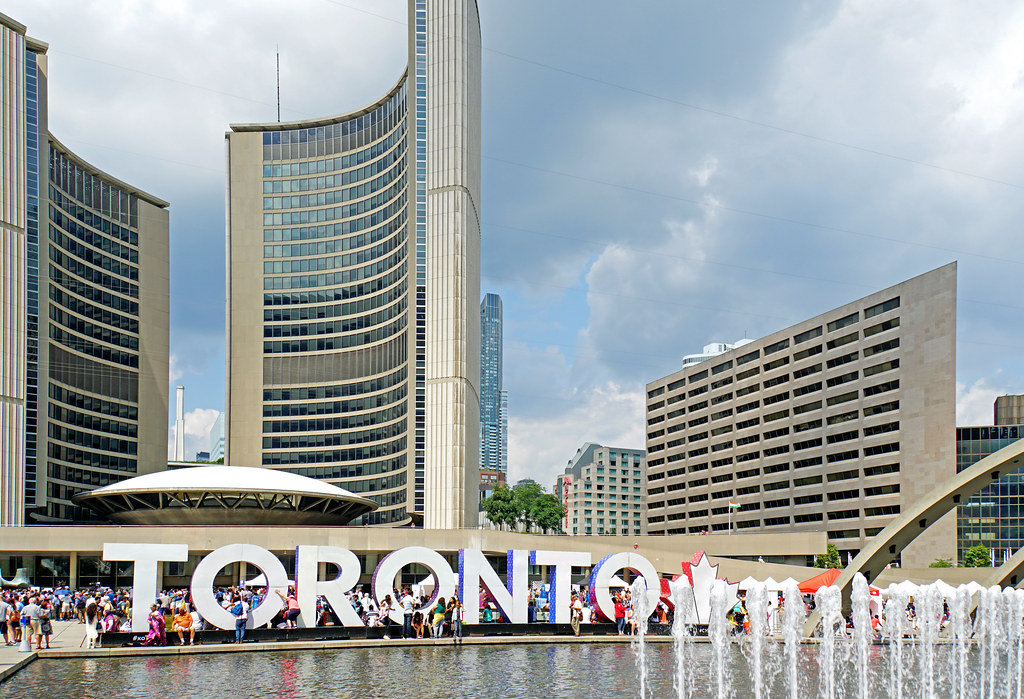
UrbanFlow: The Toronto Startup Quietly Reshaping How City Hall Manages 2.9 Million People
A King West-based govtech firm has just landed a $47 million Series B to roll out real-time traffic and waste management across North America's largest city.
A King West-based govtech firm has just landed a $47 million Series B to roll out real-time traffic and waste management across North America's largest city.
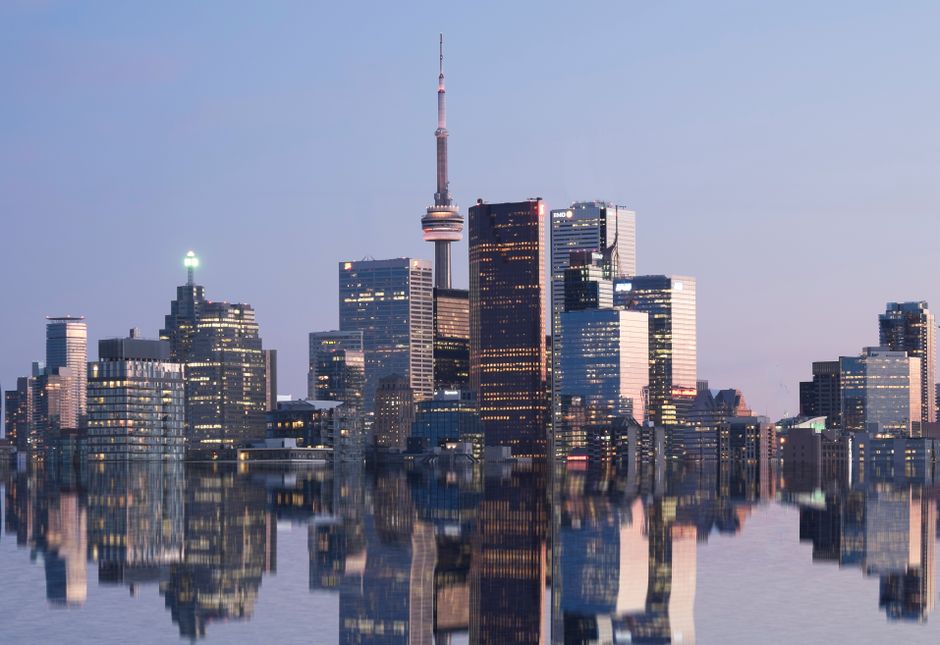
While Toronto's skyline continues its relentless vertical march, a less visible transformation is happening in the digital infrastructure that keeps the city running. UrbanFlow, a govtech startup operating out of a nondescript office tower at 181 Bay Street, has quietly become one of Canada's most consequential civic tech companies-and this month's $47 million Series B funding round is about to make that work very visible indeed.
The company's core mission is deceptively simple: consolidate the fragmented data streams that city departments have historically managed in isolation. Toronto Public Works operates its own traffic sensors. Toronto Water manages its own leak detection. Toronto Waste Management tracks collection routes separately. UrbanFlow built a unified platform that lets these departments talk to each other in real time.
The results are striking. During the pilot phase across downtown Toronto-from the Distillery District to the Entertainment District-the platform reduced average intersection wait times by 18 percent while cutting fuel emissions from municipal vehicles by 12 percent. For a city that spends roughly $2.1 billion annually on transportation infrastructure alone, even marginal efficiencies compound quickly.
What makes UrbanFlow's approach noteworthy isn't the technology itself-real-time data aggregation is hardly novel. Rather, it's the governance layer. The platform includes algorithmic transparency dashboards that allow city councillors and the public to audit how decisions are being made. During rush hour on the Gardiner Expressway, citizens can now see why traffic signals are timed the way they are, reducing the political friction that typically surrounds infrastructure changes.
The Series B will fund expansion into waste collection optimization-a persistent headache for Toronto, where landfill costs have risen 23 percent over five years. UrbanFlow's system predicts collection efficiency by analyzing neighborhood density, seasonal patterns, and contamination rates across the city's 3,000-plus collection zones.
With backing from both Canadian venture firms and U.S. institutional investors, UrbanFlow is now positioned to scale across North America. Vancouver, Montreal, and three U.S. municipalities have already signed letters of intent. But Toronto remains the flagship-the proving ground where a city of nearly 3 million people tests whether fragmented civic infrastructure can be stitched together without sacrificing democratic accountability.
In an era when governments lag behind private tech adoption, UrbanFlow represents a different kind of disruption: one that makes bureaucracy more efficient without making it more opaque.
This article was compiled by AI and screened before publishing. See our editorial standards.
How does this story make you feel?
Spread the word
About this article
Published by The Daily Toronto
Daily brief
Free, in your inbox before 7am. Weekdays.
More in tech