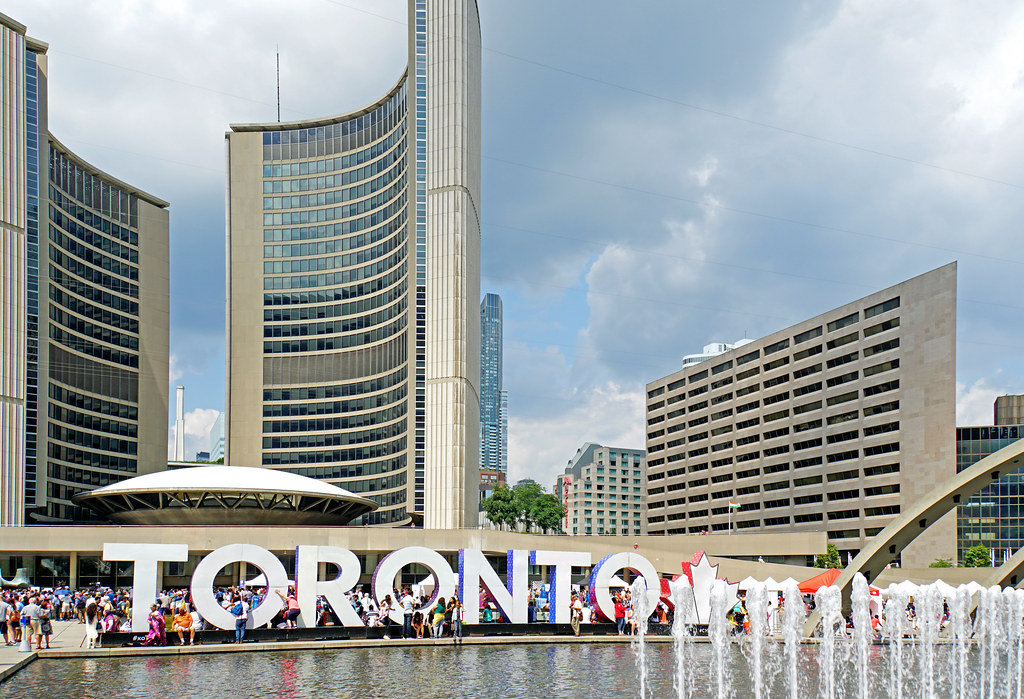
Walk into any coffee shop along King West or browse the aisles at the Eaton Centre, and you'll notice something that was unthinkable five years ago: the majority of people around you are actively protecting their digital lives. Two-factor authentication, encrypted messaging apps, and virtual private networks have moved from the domain of tech enthusiasts to everyday necessity for Toronto's 2.9 million residents.
The shift accelerated dramatically after 2024's cascading data breaches affected major Canadian financial institutions. Today, a survey by the Toronto Digital Safety Alliance-a coalition of local nonprofits and tech firms based in the MaRS Discovery District-found that 73 percent of Greater Toronto Area residents now use password managers, up from just 31 percent in 2021. At the same time, subscription-based cybersecurity services have become as common as gym memberships: the average Torontonian now pays between $15 and $40 monthly for layered digital protection.
But the real transformation isn't in the tools themselves-it's in how they've rewired daily behavior. Parents in Rosedale and Leslieville report spending 20 minutes each evening teaching children about phishing scams. Freelancers working from Bloor West Village cafes now routinely use VPNs before checking email. Small business owners in the Distillery District have begun requiring biometric authentication instead of passwords for employee access.
"We're seeing a generational shift in risk awareness," says Dr. Sarah Chen, director of the University of Toronto's Cybersecurity Research Lab. "What was paranoia two years ago is now baseline caution."
This caution comes with real costs. The average Toronto household now allocates roughly $180 annually to digital safety-up 45 percent since 2023. Premium cybersecurity suites can run $150 per year for comprehensive protection across devices. For lower-income residents in neighborhoods like Scarborough and North York, these costs represent a new equity divide in digital access.
Yet residents report tangible peace of mind. Commuters on the TTC, once anxious about public WiFi, now browse confidently on encrypted networks. Online shoppers feel safer entering payment information. Parents monitoring their children's digital lives have more transparency than ever before.
Toronto Public Library branches across the city now offer free cybersecurity workshops, with sessions at the Reference Library on Bloor Street fully booked through August. It's a telling sign: digital safety isn't a luxury anymore. It's infrastructure. And for Torontonians navigating 2026, it's become as essential as locking your front door.
This article was compiled by AI and screened before publishing. See our editorial standards.