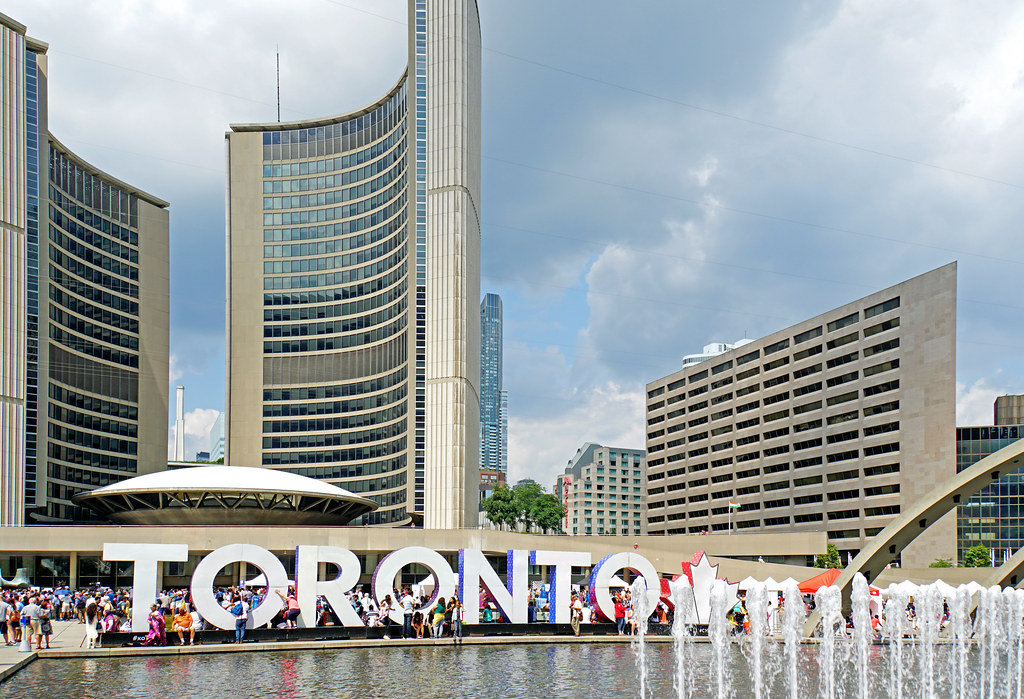
The gleaming office towers sprouting across King West and the innovation labs clustering around the MaRS Discovery District paint a rosy picture of Toronto's tech ascendancy. Yet beneath the venture capital inflows and startup success stories lies a more complicated reality-one that demands honest reckoning as the city's technology sector accelerates.
By 2025, Toronto's tech employment had grown to over 200,000 jobs, according to industry trackers, making it Canada's undisputed innovation capital. But this growth comes with a cost rarely celebrated in glossy tech media. Housing costs in Downtown Toronto neighbourhoods near major tech corridors have increased roughly 40% since 2020, pricing out the very workers fuelling the industry. A junior software developer earning $85,000 annually faces median rents near $2,500 for a one-bedroom apartment-consuming nearly 35% of gross income.
Labour displacement presents another shadow. While artificial intelligence and automation companies headquartered along Queen West and expanding into Liberty Village promise efficiency gains, manufacturing workers and administrative staff across the Greater Toronto Area face uncertain futures. The Ontario Tech Council has documented growing retraining needs, yet corporate investment in workforce transition remains patchwork.
Data privacy concerns loom larger as Toronto-based tech firms scale. Several companies operating from the Distillery District and Corktown have faced scrutiny over algorithmic bias in hiring tools and consumer data practices. Federal regulators increasingly scrutinize platforms headquartered here, raising questions about whether Toronto's regulatory environment is equipped for oversight.
There's also the equity question: who captures the wealth from Toronto's tech boom? While founders and early investors have built fortunes, wage gaps between senior technologists and support staff have widened. Women remain underrepresented in leadership-comprising roughly 20% of tech executives in Toronto firms, according to diversity audits.
Yet dismissing the sector's promise would be premature. Toronto's tech ecosystem has produced genuine innovations in healthcare technology, climate solutions, and accessibility tools. The cluster effect around universities like U of T and Ryerson (now Toronto Metropolitan) continues generating talent and intellectual property.
The question facing city leaders isn't whether to embrace or reject technological growth-it's how to steer it responsibly. That requires honest conversation about trade-offs, stronger affordable housing policies tied to tech campus development, meaningful diversity commitments backed by accountability, and regulatory frameworks that protect citizens without stifling innovation. Toronto's next chapter as a tech centre will be defined not by growth alone, but by whose interests that growth serves.
This article was compiled by AI and screened before publishing. See our editorial standards.