Toronto's Summer Programming Transforms City's Creative and Cultural Identity
From the Leslieville Flea to the Distillery District, this weekend’s surge in activity signals a shift toward localism in Toronto's urban character.
From the Leslieville Flea to the Distillery District, this weekend’s surge in activity signals a shift toward localism in Toronto's urban character.
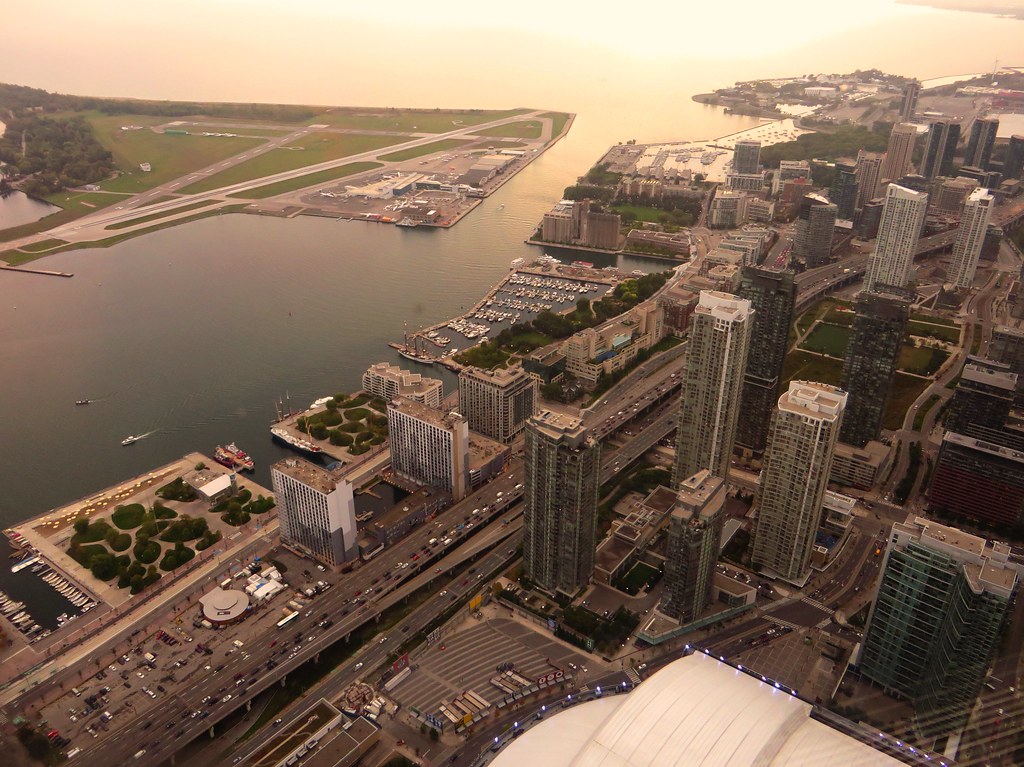
Toronto pulses with a distinct energy this weekend as a convergence of independent markets, outdoor performances, and community-led art installations reshapes the city's public life. Across neighbourhoods from the West End to the historic waterfront, thousands of residents are participating in events that highlight a growing appetite for hyper-local cultural expression. The weekend calendar serves as more than just a list of things to do; it acts as a mirror for how the city is defining its identity in the mid-2020s, balancing global aspirations with a fierce commitment to local makers.
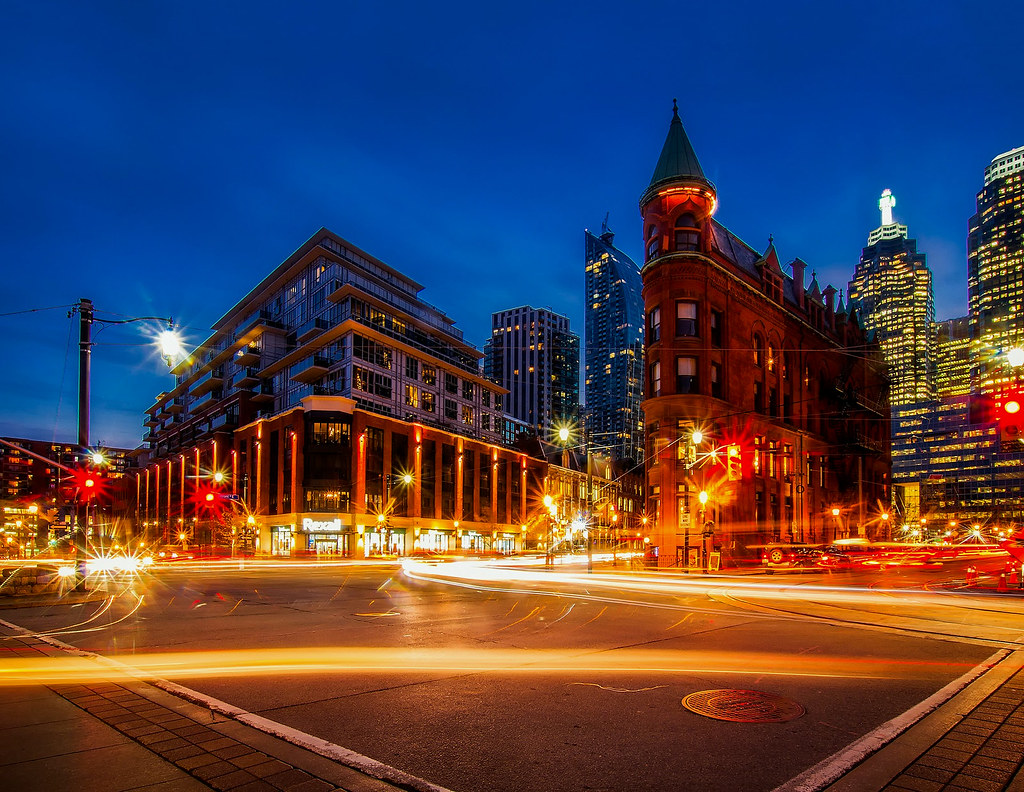
The cultural gravity of the city has increasingly shifted away from centralized, monolithic festivals toward decentralized, neighbourhood-based activations. In the East End, the Leslieville Flea has drawn consistent crowds, reinforcing the district’s reputation as a hub for artisan-led economic development. Simultaneously, the Distillery District continues to anchor the city’s historic preservation efforts, hosting programming that blends heritage architecture with contemporary digital arts. These venues are no longer just passive backdrops; they are active laboratories where the city tests new models for public engagement.
This decentralization is critical because it forces a broader distribution of creative capital across the urban core. For instance, organisations such as the Toronto Arts Council have long emphasized the importance of funding initiatives that penetrate beyond the downtown core. By anchoring this weekend’s cultural output in streets like Queen Street East and districts like the Esplanade, the city is effectively rewriting its own narrative-prioritizing accessible, pedestrian-scale interactions over high-budget corporate spectacles.
Data provided by the Toronto Association of Business Improvement Areas suggests that foot traffic in major commercial corridors has seen a marked increase during weekend events compared to standard operating days. Retailers participating in local markets report that foot traffic remains a primary driver for neighborhood resilience. For those looking to participate in the remaining weekend activities, most markets on Queen Street East are scheduled to run until 5:00 p.m. this Sunday, while evening arts programming at the Distillery District often extends until 9:00 p.m. to accommodate the transition into the new week.
As these events conclude, the focus will turn toward planning for the late summer season. Observers of the local cultural landscape note that the patterns established this weekend-specifically the integration of local crafts with public transit access-will serve as a blueprint for upcoming municipal programming. Residents are encouraged to check the official listings for each neighbourhood BIA to confirm specific vendor times, as the informal nature of these pop-ups means schedules can shift based on weather and local demand.
How does this story make you feel?
Spread the word
About this article
Published by The Daily Toronto
Daily brief
Free, in your inbox before 7am. Weekdays.
More in culture