Toronto Curators Shape Downtown Summer Scene Amid July Heat
As the city settles into the height of July, local curators and community leaders are defining the rhythm of public life in the downtown core.
As the city settles into the height of July, local curators and community leaders are defining the rhythm of public life in the downtown core.
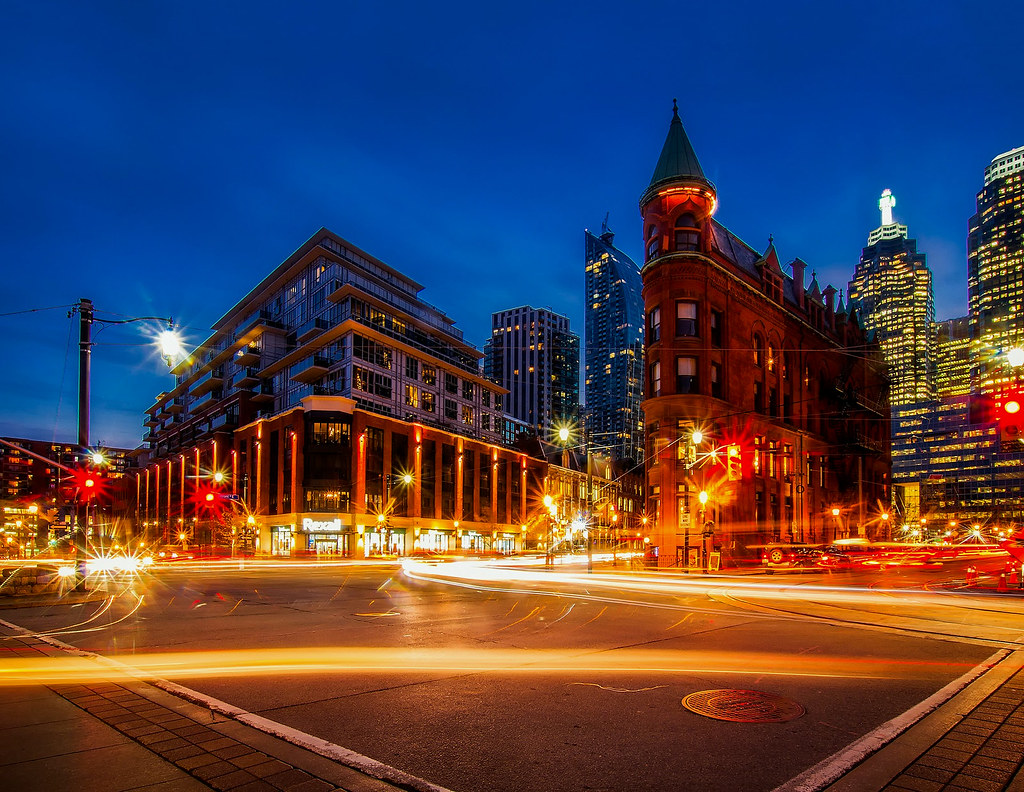
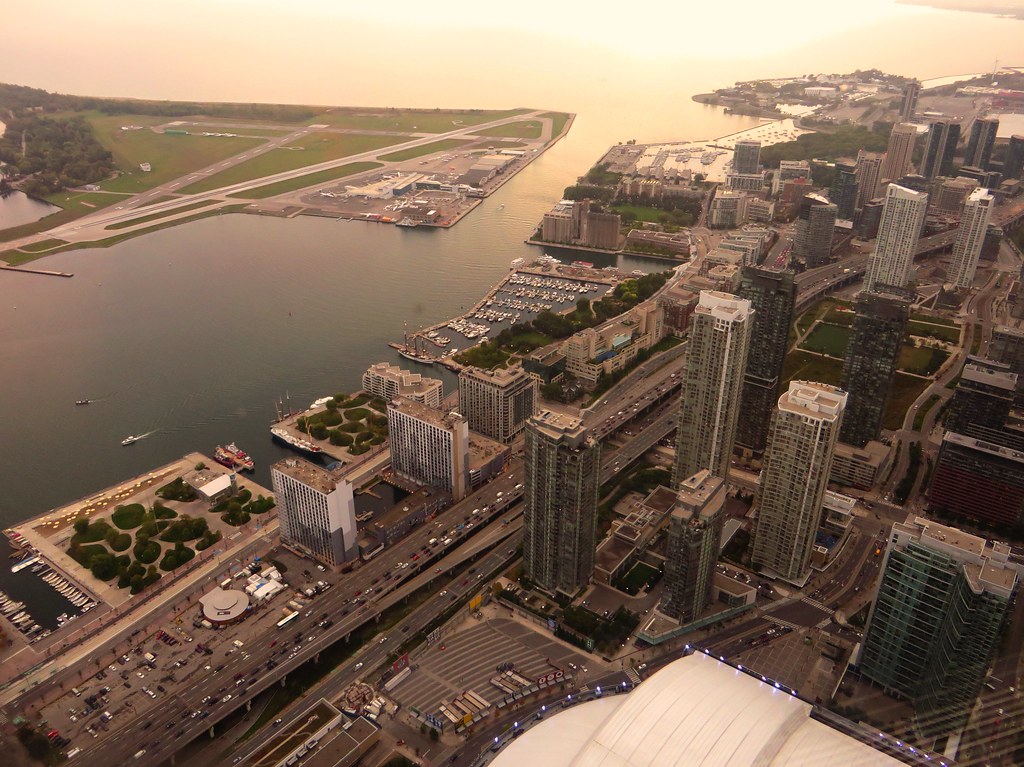
Toronto streets hum with a specific energy this Sunday, July 6, as residents and visitors navigate a calendar defined by long-standing local institutions. While global headlines draw focus toward shifting international alliances and historical discoveries abroad, the local cultural agenda remains firmly rooted in the efforts of those who have spent years building the city's public programming. From the waterfront to the heritage districts, the Sunday experience in Toronto is the result of deliberate curation by municipal departments and non-profit organizations.
The vitality of a Toronto summer is rarely an accident; it is the product of organizational labor within venues like the Harbourfront Centre and the Distillery District. At the Harbourfront Centre, programming teams have worked throughout the year to align artistic showcases with the shifting demographics of the city. These spaces serve as more than just event sites; they are deliberate attempts to keep the public sphere accessible. The organizers behind these initiatives often point to the need for consistent, low-barrier engagement as the primary driver for their scheduling decisions throughout the peak summer months.
The Distillery District, a site preserved for its historical significance, operates under a different set of constraints. Its management focuses on maintaining a balance between commercial activity and the preservation of industrial-era architecture. The people managing these brick-lined corridors emphasize that the goal is to provide a sense of continuity in a city that frequently deals with high-density redevelopment. For those looking to experience this intersection of heritage and modern leisure, the district remains a focal point for weekend foot traffic.
The commitment to these public spaces is reflected in the steady attendance records maintained by the city. Recent administrative reports from the Toronto municipal government indicate that major outdoor programming zones saw sustained activity levels throughout the previous fiscal cycle. These figures highlight the reliance of the local economy on foot traffic within pedestrian-heavy corridors. The data suggests that public demand for outdoor cultural experiences has not waned despite broader economic pressures, with weekend participation remaining a consistent pillar of the city's tourism and recreation strategy.
For those navigating the city today, the practical advice remains to focus on the interconnectedness of these cultural hubs. Transit access via the TTC remains the most effective way to transition between the lakefront and the downtown core. Visitors should note that public transit schedules often shift for Sunday service, particularly when events draw large crowds toward the waterfront. Checking the official City of Toronto event notices or the transit agency’s digital portal before departure provides the most accurate timing for arrivals and departures in these high-traffic areas.
How does this story make you feel?
Spread the word
About this article
Published by The Daily Toronto
Daily brief
Free, in your inbox before 7am. Weekdays.
More in culture