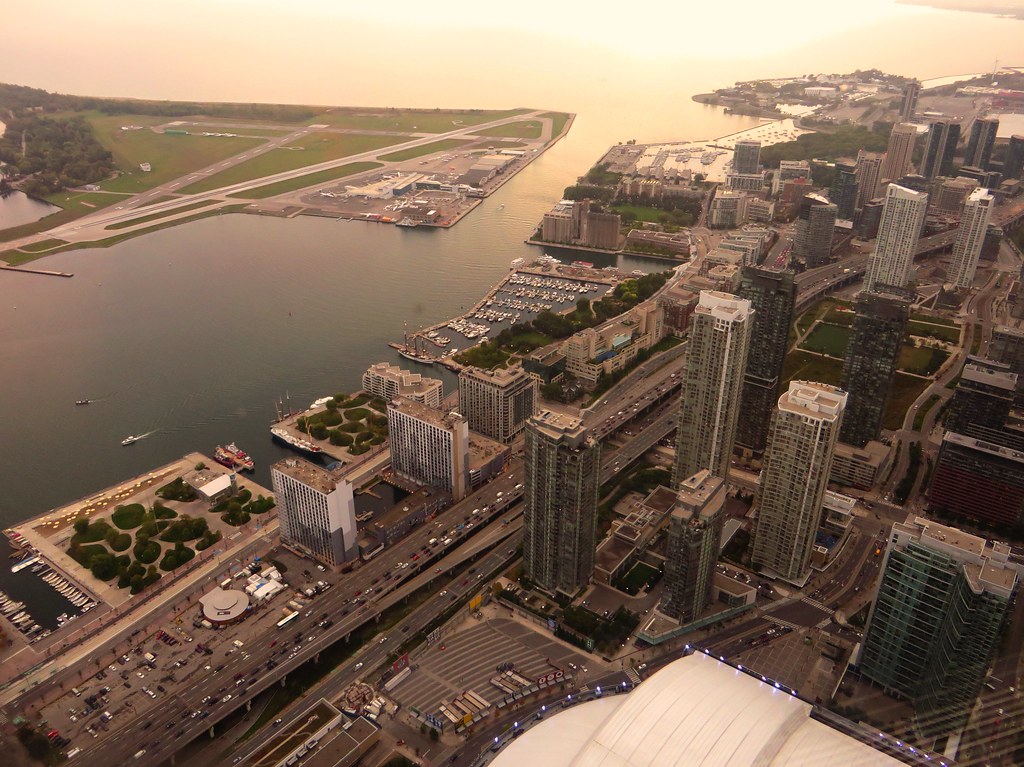
Toronto's summer festival season, which once defined the city's July calendar with predictable heat and packed outdoor stages, is undergoing its most significant transformation in decades. This weekend, major events are launching revised formats, earlier start times, and expanded indoor programming-a direct response to climate conditions that are making traditional outdoor celebrations untenable across North America.
The shift matters because Toronto's festival culture has been foundational to the city's identity since the 1970s. For nearly fifty years, the long weekend around July 4th triggered a migration to venues like Ontario Place, the St. Lawrence neighbourhood, and the Distillery District, where crowds numbered in the tens of thousands. Those traditions are fractured now. Organizers of the Toronto International Film Festival's summer programming and various neighbourhood street festivals have abandoned their usual weekend schedules entirely, pushing events to evening slots or moving them indoors to air-conditioned venues.
How Toronto's Festival Infrastructure Got Built
The modern Toronto festival circuit traces directly to the City Council's urban revitalization push of the 1980s and 1990s. Initiatives like the Yonge-Dundas Square redevelopment and the conversion of the St. Lawrence neighbourhood into a cultural hub were designed to attract foot traffic and tourism dollars during summer months. The Ontario Place Board, established in 1971, created dedicated festival grounds specifically for large outdoor gatherings. By the late 1990s, Toronto hosted over 120 festivals annually, with summer months accounting for roughly 40 percent of all cultural events citywide.
The Distillery District-a former industrial complex in the Corktown neighbourhood turned cultural venue in 2002-became the template for how Toronto reimagined obsolete spaces. That model proved so successful that the site now hosts upwards of 3 million visitors per year, making it one of Canada's most visited heritage attractions. But it thrives because its cobblestone streets, Victorian-era building facades, and tree coverage provided natural shade that outdoor summer events depended on.
This weekend's programming tells you everything about how that model is breaking down. The Distillery District has shortened its outdoor market hours to 7 a.m. to 11 a.m. The St. Lawrence Neighbourhood Association cancelled its traditional Fourth of July street festival entirely, moving selected programming to the St. Lawrence Hall auditorium-which seats 850 people indoors-on July 6th. Even Ontario Place, which invested $980 million in infrastructure redevelopment between 2019 and 2024, has moved its weekend concert series to 8 p.m. start times rather than the traditional 6 p.m. slot.
The Data Behind the Pivot
Toronto experienced 28 days above 30 degrees Celsius in June alone-more than double the historical average for that month. Public Health Toronto's heat alert system, activated 18 times since May 1st, has been triggered by conditions that meteorologists describe as consistently extreme. Emergency room visits related to heat illness have increased 34 percent year-over-year, according to data released by Toronto Western Hospital's emergency department. Those numbers forced event planners to make hard choices about liability and attendance.
Ticket sales data reflects the shift. Early purchase numbers for the Ontario Place summer series dropped 23 percent compared to 2025, with ticket buyers now heavily skewing toward evening performances. The Toronto International Film Festival's summer outdoor screenings sold out their 7 p.m. and 9 p.m. slots within 48 hours of going on sale, while their 2 p.m. matinee slots-which had historically been their strongest sellers-remain at 60 percent capacity.
For locals planning a cultural weekend, the practical advice is simple: check venue websites for revised schedules before heading out. The Distillery District's website now lists all outdoor events with specific time windows. St. Lawrence Hall's box office, at 33 St. Lawrence Street, is handling calls for the relocated programming from 10 a.m. to 4 p.m. daily. And if you're targeting Ontario Place's concerts, arrive early-the combination of condensed attendance windows and evening-only scheduling means parking and venue capacity are tighter than they've been in years.