From Street Art to Stagecraft: How Toronto’s Daily Creativity Shapes Its Cultural Identity
Exploring how today’s diverse events and venues reveal Toronto’s evolving artistic spirit and community character.
Exploring how today’s diverse events and venues reveal Toronto’s evolving artistic spirit and community character.

Toronto buzzes with creativity today, as a slew of artistic events and cultural engagements unfold across the city, from murals lighting up Queen Street West to innovative performances at the Harbourfront Centre Theatre. These activities offer not just entertainment but a vivid snapshot of Toronto’s artistic pulse in 2026.
The importance of these happenings extends beyond mere weekend plans. In a time when cities worldwide compete to attract talent and tourism, Toronto’s cultural vibrancy is a critical economic and social asset. After years of pandemic disruption and global uncertainty, reasserting a dynamic, inclusive creative scene is more urgent than ever to define the city's image on the world stage.
The graffiti-covered alleys of Queen Street West have long been synonymous with Toronto’s street art scene, and today’s guided mural tours, organized by the non-profit organization StreetARToronto (StART), showcase freshly commissioned works by emerging local artists. These bright splashes reflect the city’s multicultural roots and progressive values.
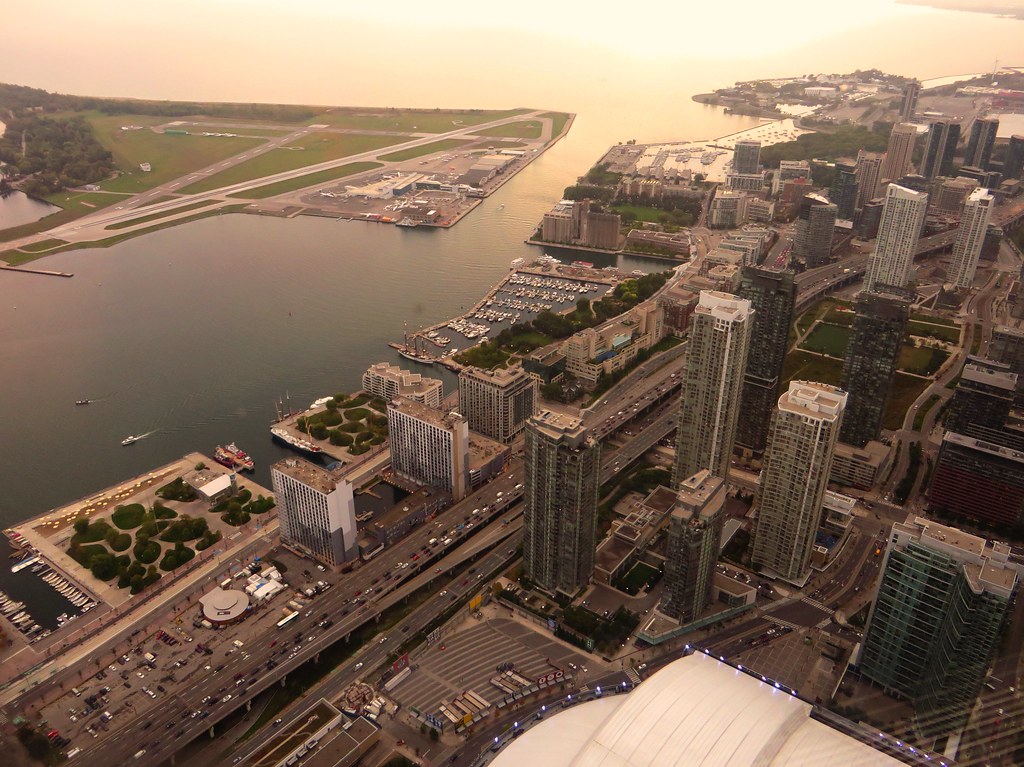
Meanwhile, the Harbourfront Centre on Queens Quay offers a contrasting but complementary stage for contemporary dance and theatre. The collective performance festival “Urban Pulse,” running through July 9, highlights interdisciplinary projects developed by Toronto Dance Theatre and local Indigenous playwrights. Single tickets for shows range from $25 to $45, accessible prices for a summer evening of cutting-edge art.
Data from the Toronto Arts Council reveals a 15 percent rise in attendance at live performances compared to the summer of 2025, signaling a resurgence in public appetite for cultural events. The council’s latest survey notes that 68 percent of attendees are residents from diverse neighbourhoods including Kensington Market, Little Italy, and the Junction, areas known for their rich creative communities. This uptick in engagement correlates with a broader strategy to decentralize cultural funding, aiming to nurture arts outside the downtown core, fostering city-wide cultural participation.
Moreover, local galleries participating in Gallery Hop events report a 20 percent increase in foot traffic since the launch of the Toronto Culture Pass last fall-a program subsidizing access for underrepresented youth and newcomer communities. These efforts underline a shift towards inclusivity and democratization in the arts.
For Torontonians and visitors alike, this weekend offers a chance to experience the city’s creative identity firsthand. Beyond the art itself, these events reinforce a collective sense of belonging and pride as the city carves out its narrative amid changing global dynamics. Whether walking the vibrant streets of Queen West, catching an innovative Indigenous theatre piece at Harbourfront, or browsing neighbourhood galleries, participants contribute to Toronto’s evolving cultural legacy.
Looking ahead, the city’s cultural institutions are gearing up for the 2026 Toronto Arts Week this October, promising expanded programming and new partnerships with community groups across Toronto’s diverse linguistic and ethnic landscapes. Arts organizations recommend early ticket bookings and advise checking individual event websites for COVID-19 safety updates and accessibility options.
How does this story make you feel?
Spread the word
About this article
Published by The Daily Toronto
Daily brief
Free, in your inbox before 7am. Weekdays.
More in culture