Toronto’s public festival calendar enters a critical transition this weekend, with major municipal events scaling back in favor of hyper-local gatherings across the GTA. While the humidity index is pushing temperatures toward a stifling 34 degrees, attendance figures at community hubs like Christie Pits Park and the Distillery District suggest residents are prioritizing proximity over centralized, city-run spectacles.
A Shift in Civic Celebration
The evolution of our city’s festival scene is no longer defined by the grand, monolithic planning models of the 1990s. Fifty years ago, the Canadian National Exhibition (CNE) served as the singular anchor for summer life in Ontario, but the modern calendar now favors the fragmentation of culture. Organisations like the Toronto Fringe Festival, currently in the middle of its 38th iteration across venues like the Tarragon Theatre on Bridgman Avenue, represent this pivot. Where the city once funneled thousands into Nathan Phillips Square for state-sanctioned programming, the current trend is to spread the audience thin across a dozen independent stages in The Annex and Queen West.
Economic data from the City of Toronto’s Economic Development and Culture division indicates that festival spending has migrated. Average ticket prices for independent arts events in the city have climbed to $22, a 15% increase since the 2024 season, yet permit applications for neighborhood-level block parties have hit a record high of 412 for July alone. This trend reflects a broader fatigue with the logistical hurdles of the downtown core during major transit disruptions, such as the ongoing maintenance work on Line 1 Yonge-University.
The Legacy of Public Space
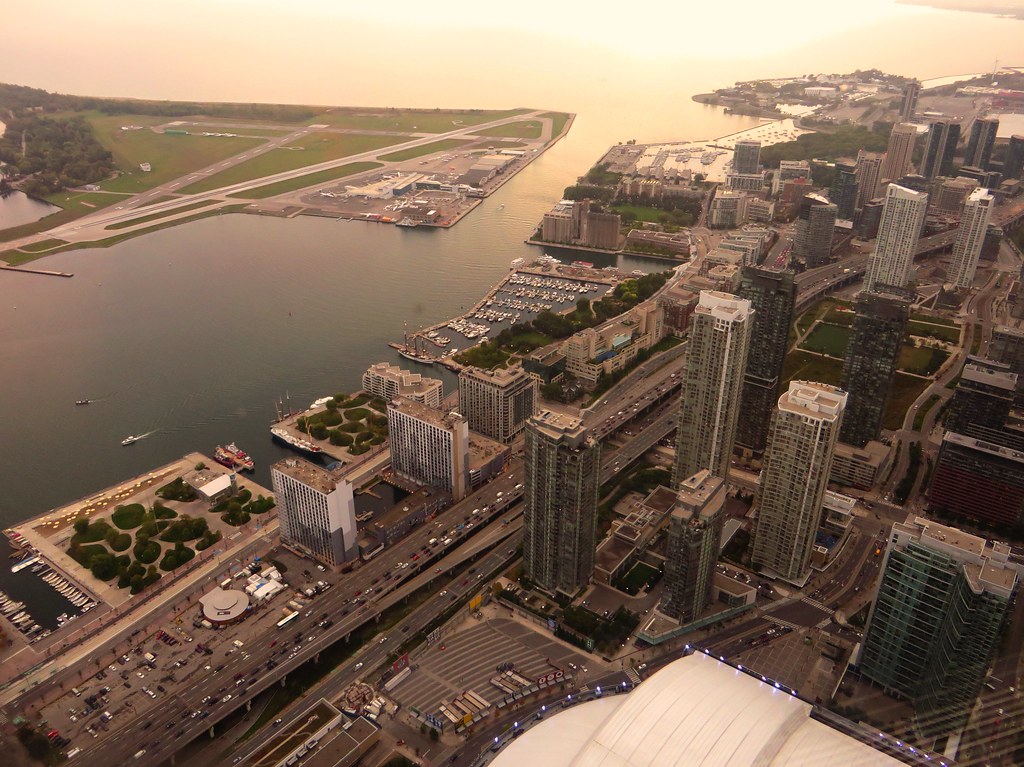
The history of this scene is rooted in the constant struggle for public real estate. In the 1970s, the fight for the Toronto Islands secured a vital recreational lung for the city, preventing full-scale commercial redevelopment. Today, those same beaches are the primary alternative to the sweltering concrete of the Financial District. Parks such as Trinity Bellwoods are now the de facto headquarters for independent musicians and food vendors who once sought spots at high-cost corporate festivals, choosing instead the autonomy of local, unregulated pop-ups.
For those looking to navigate the weekend, avoid the bottleneck of Union Station. Transit planners are reporting increased congestion on the 501 Queen streetcar line due to the Toronto Fringe’s expansion into more diverse neighborhoods. If you plan to head to the waterfront, arrive before 11:00 a.m. to beat the peak temperature forecast. Most independent venues are enforcing strict cooling protocols, but with the city’s heat warning currently in effect, carry extra water and expect delays if you are relying on the aging subway infrastructure to move between events.