culture
Toronto's Top 5 Must-See Attractions for Your July 4 Visit
From waterfront art fairs to immersive history exhibits, here’s how to make the most of your day in Canada’s largest city on July 4, 2026.
How we reported this
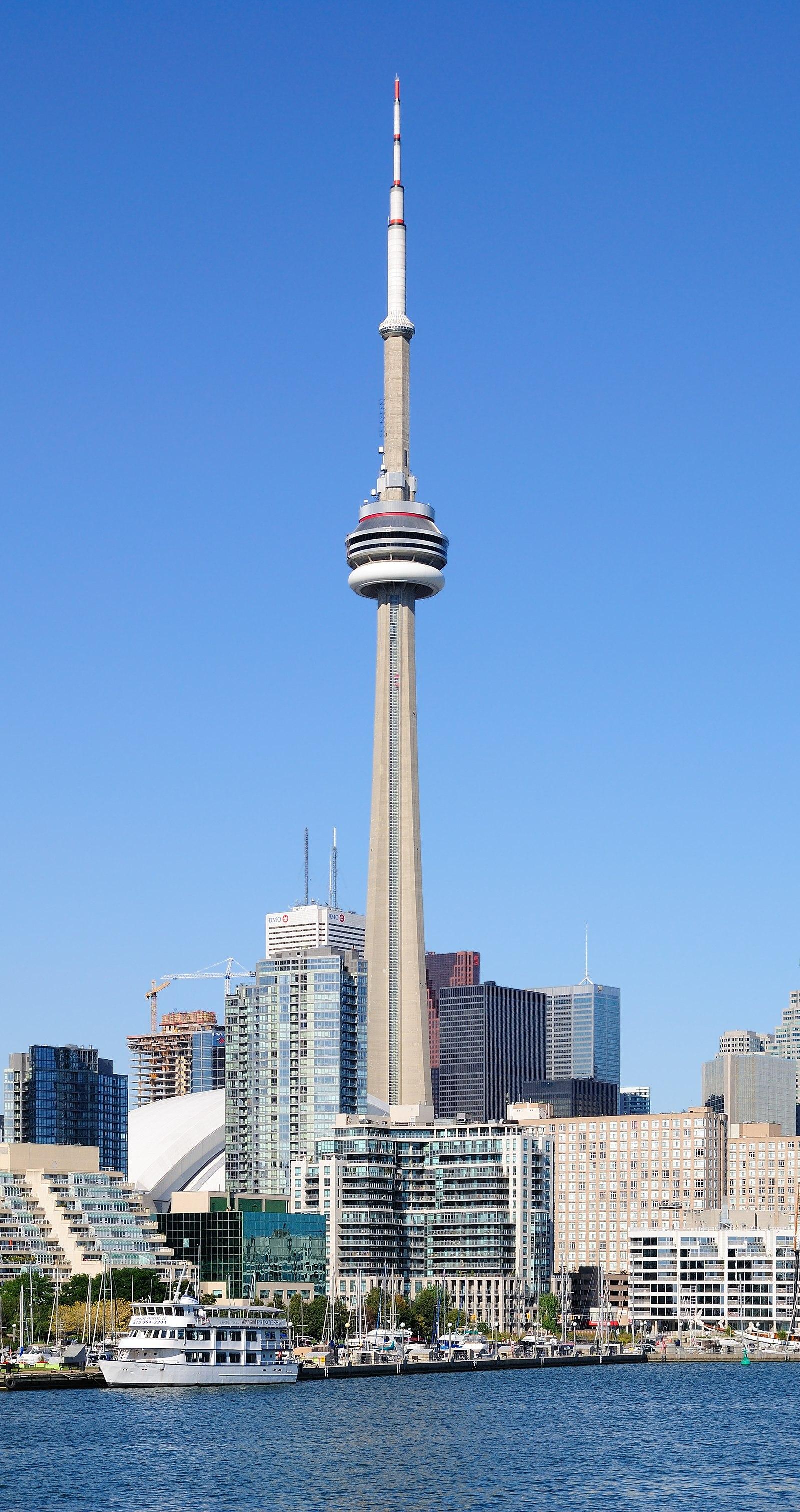
Toronto hums with a unique energy today, offering visitors a diverse range of cultural and outdoor experiences amid summer’s peak. Key highlights include the annual Riverdale Art Walk and the newly launched Indigenous Stories Exhibit at the Royal Ontario Museum (ROM), both drawing large crowds and media attention.
The timing of these events is crucial, coinciding with a surge in international tourism following the relaxation of Canada’s COVID-19 protocols earlier this year. The Riverdale Art Walk, running through the residential streets east of downtown, showcases over 100 local artists and craftspeople, offering visitors a chance to engage directly with Toronto’s thriving creative community. Meanwhile, the ROM’s Indigenous Stories Exhibit opens fresh perspectives on First Nations history through interactive displays, reflecting a citywide emphasis on reconciliation and cultural awareness.
Explore Art and History in Vibrant Neighborhoods
Visitors keen to soak in Toronto’s artistic vibe should head to the Riverdale neighborhood, particularly along Broadview Avenue between Gerrard and Queen Streets. This area transforms into an open-air gallery from 10 a.m. to 6 p.m., with paintings, sculptures, and hand-crafted goods available. Admission to the art walk is free, but many artists accept donations or sell pieces priced from under $50 to over $2,000. Shops and cafés along the route, such as Jimmy’s Coffee on Queen Street East and the Riverdale Art Supply store, are also participating, providing a community feel.
For those interested in cultural institutions, the ROM, located at 100 Queens Park, has unveiled a new immersive Indigenous Stories Exhibit. Tickets cost $23 for adults, $18 for seniors and students, and free for children under 15. The exhibit uses virtual reality and audio narration to tell stories from Ontario’s First Nations communities. This initiative marks a significant moment as the city and its institutions bolster efforts to recognize Indigenous heritage nationally. The ROM plans educational programming around the exhibit through October 2026.
Visitor Numbers and Practical Tips
City tourism data from the Toronto Tourism Board shows a 22% increase in July visitor arrivals compared to 2025, with roughly 85,000 daily visitors this week. This upsurge strains popular sites, making advanced planning advisable. Public transit remains the most efficient means to navigate the city today, with TTC offering a day pass for $14.50, covering buses, streetcars, and subways. Parking downtown is limited and costly, with rates averaging $8 per hour.
Visitors should also consider timing their outings to avoid the afternoon heat, especially with Environment Canada forecasting highs of 29°C and a humidity index pushing perceived temperatures above 33°C. Waterfront areas like the Toronto Islands and Harbourfront Centre offer cooler microclimates and event programming, such as outdoor concerts and boat tours, ideal for late afternoon plans.
With the city hosting several events throughout the summer, staying informed via the official Tourism Toronto website or the City of Toronto’s event calendar will help visitors catch emerging highlights and avoid overcrowded venues. As the day winds down, diners can explore eclectic neighborhoods such as Kensington Market or Queen West, where fusion cuisines and boutique shops abound-perfect for rounding out any Toronto visit.