Beyond the Stage: The Story Behind the Scene and the People Who Created It
While the world grapples with global instability, Toronto’s independent arts scene is pulling off its most ambitious summer festival to date.
While the world grapples with global instability, Toronto’s independent arts scene is pulling off its most ambitious summer festival to date.
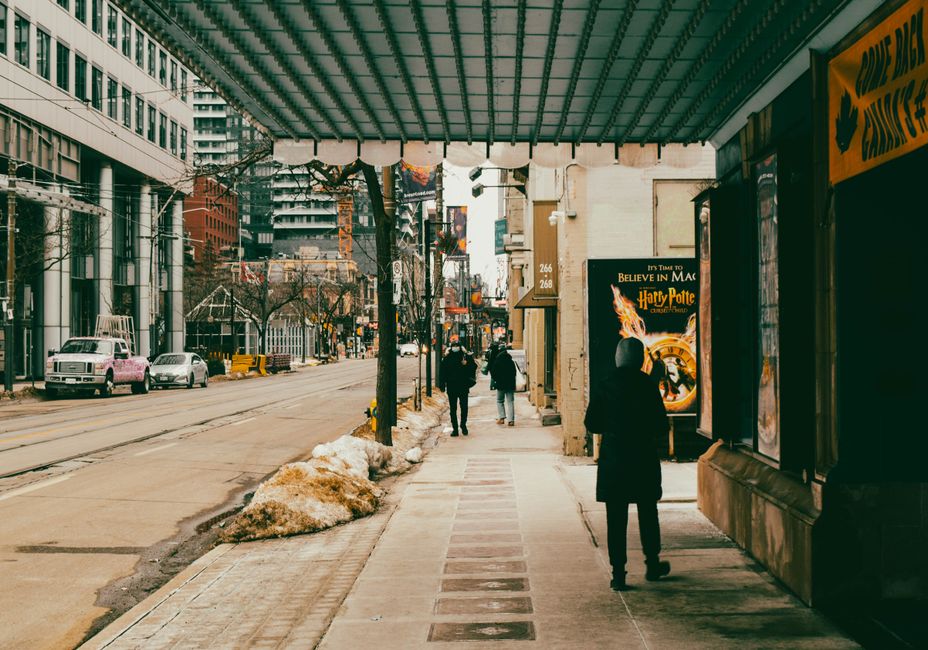
The Toronto Fringe Festival officially kicks off its 38th iteration this evening, transforming the Annex and Koreatown into a sprawling, multi-venue labyrinth of performance art. While international headlines this July 4th are dominated by the somber funeral proceedings in Tehran and the devastating heat-related casualty counts coming out of France, the mood inside the Tarragon Theatre rehearsal hall is one of frantic, singular focus. Here, the priority isn't global policy-it's getting a 60-minute technical cue list perfectly synced before the doors open at 6:00 p.m.
This year’s festival features 148 distinct productions, but the true story lies in the labor required to sustain such a density of output. According to festival director Sarah Gilshenan, the volunteer recruitment for this cycle began back in February, with the organization needing 450 people to manage front-of-house operations at venues like the Factory Theatre and the Al Green Theatre. It is an immense logistical machine fueled almost entirely by local arts workers who have spent the last three weeks converting office spaces and community centers into professional-grade black box stages.
The production costs for these independent troupes have spiked since 2025. Rising insurance premiums and the cost of renting specialized AV equipment across the city have forced many collectives to rethink their business models. Most participants are operating on budgets under $5,000, relying on a mix of crowdfunding and the “fringe lottery” system that makes this event a uniquely democratic, albeit high-stakes, proving ground for the city’s next generation of playwrights.
Data provided by the Toronto Arts Council indicates that arts-sector employment in the city has seen a 12% shift toward gig-based, short-term contracts compared to the pre-2024 landscape. This instability is reflected in the performances themselves. Many of the scripts debuting at the Scadding Court Community Centre this weekend deal directly with the anxiety of precarious living, mirroring the economic pressures felt by the very people running the lights and selling the tickets.
If you are planning to attend, take note: tickets are priced at a flat $18, with a $3 surcharge for the mandatory “Fringe Pin” that covers administrative costs. Avoid the congestion on Bloor Street West by taking the TTC to Bathurst station rather than Spadina, which is currently undergoing a secondary utility repair that has stalled traffic near the festival hub. Most importantly, arrive 20 minutes early; late seating is strictly prohibited to ensure the tight, back-to-back schedules of these independent shows don't collapse before the curtain even rises on the second night.
How does this story make you feel?
Spread the word
About this article
Published by The Daily Toronto
Daily brief
Free, in your inbox before 7am. Weekdays.
More in culture