The 'Zn9 G2' Phenomenon: How a Local Code is Defining the City's Creative and Cultural Identity
From subterranean galleries in Queen West to the fashion houses of Yorkville, a cryptic new marker is rewriting the rules of Toronto’s aesthetic output.
From subterranean galleries in Queen West to the fashion houses of Yorkville, a cryptic new marker is rewriting the rules of Toronto’s aesthetic output.
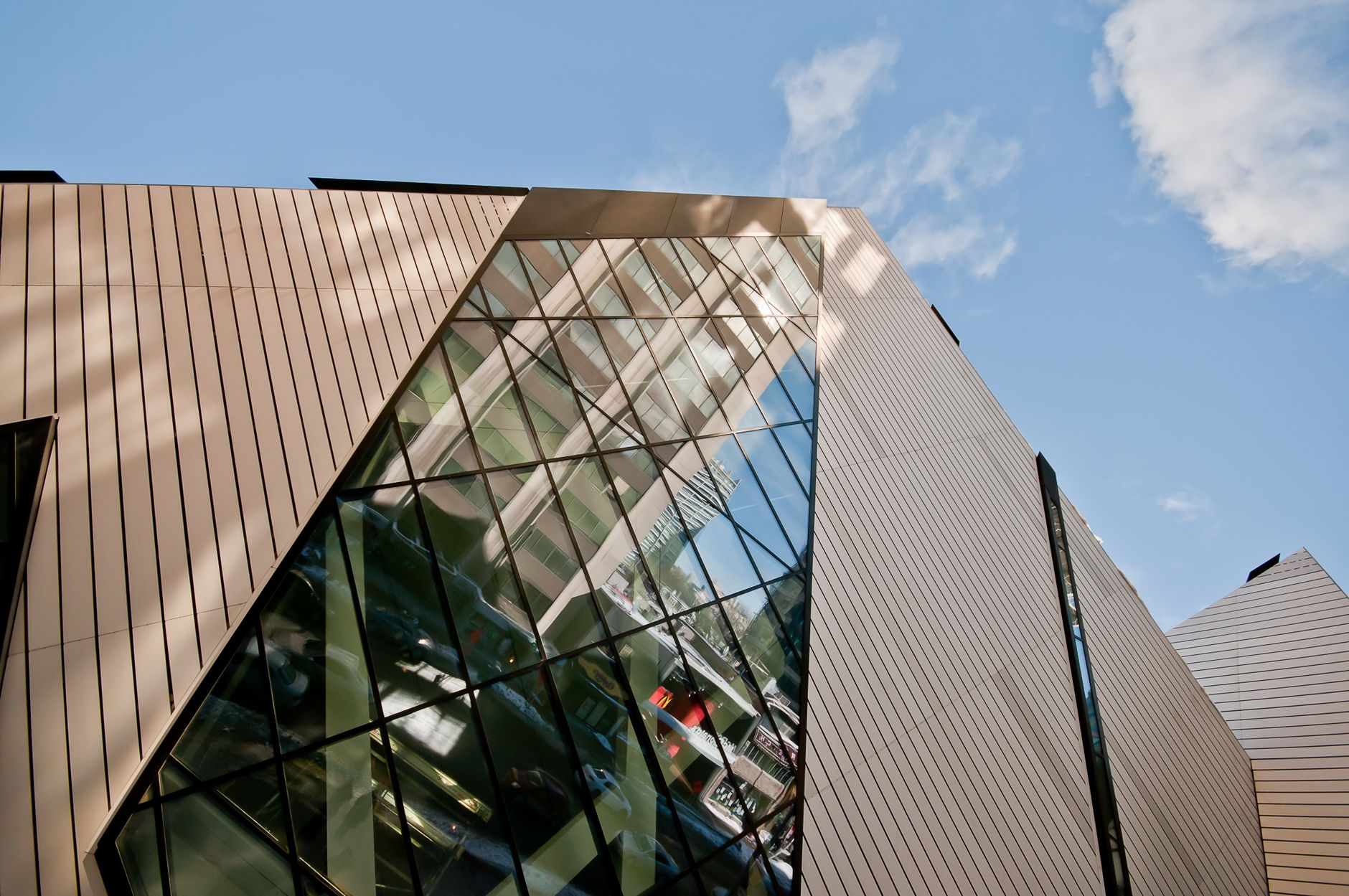
Toronto’s creative class has found its new North Star, and it is hidden in plain sight under the alphanumeric designation 'Zn9 G2.' What began as a series of clandestine tags on the concrete supports of the Gardiner Expressway has evolved into a full-scale design language, influencing everything from the architecture of the new Waterfront innovation hubs to the monochromatic collections appearing at local boutiques.
This isn't just another street art craze. The Zn9 G2 signature, often accompanied by a distinct, jagged geometric icon, has been adopted by the studio heads at the Drake Hotel and the programming curators at the Power Plant Contemporary Art Gallery. It represents a pivot toward hyper-utilitarian, industrial minimalism that ignores the polished glass-and-steel aesthetic that has dominated downtown development for the last decade. Instead, the focus has shifted to raw, unfinished textures and adaptive reuse, mirroring the city's struggle to find beauty in its aging, post-industrial bones.
The shift is particularly visible in the fashion-forward corridors of Ossington Avenue. Local design collectives are now pricing 'Zn9-spec' apparel at a 25% premium, with limited-edition hoodies retail-listed at $340 at high-end concept shops near Trinity Bellwoods Park. Industry analysts note that this is the first time a decentralized, community-led aesthetic has directly challenged the corporate branding models typically favoured by the city’s major retailers. Last Friday’s pop-up launch in a converted warehouse on Sterling Road drew over 1,200 attendees, a figure that highlights the appetite for a gritty, locally-grown identity that rejects international homogenization.
Economic indicators suggest the movement is gaining institutional legitimacy. According to the Toronto Arts Council’s quarterly report released June 28, grants related to 'urban experimental design' have surged by 18% compared to the 2025 fiscal year. City planners are already incorporating the influence of the Zn9 G2 movement into the revitalized public seating projects scheduled for Yonge-Dundas Square next spring. The raw, zinc-alloy materials and modular layouts appearing in recent sketches are a direct nod to the visual vocabulary established by the anonymous creators behind the movement.
For those looking to engage with the aesthetic, the upcoming 'Zone 9' exhibition at the Harbourfront Centre on July 15 is expected to serve as the first formal retrospective of the movement’s origins. Curators have spent months documenting the tags across the city’s transit corridors, including the underpasses near Lansdowne Station. If the current trajectory holds, expect to see the Zn9 G2 influence fully integrated into the official branding of the 2027 design festival circuit. Residents interested in the technical specs of the movement's architectural philosophy can attend a lecture at the Daniels Faculty of Architecture, Landscape, and Design on August 2, where faculty members will debate whether this raw, austere look is a sustainable evolution or merely a temporary protest against the city's rising luxury price points.
How does this story make you feel?
Spread the word
About this article
Published by The Daily Toronto
Daily brief
Free, in your inbox before 7am. Weekdays.
More in culture