Tracing Toronto’s Festival Roots: This Weekend’s Events in Historical Perspective
From Kensington Market to the Harbourfront, Toronto’s weekend festivals echo decades of cultural evolution.
From Kensington Market to the Harbourfront, Toronto’s weekend festivals echo decades of cultural evolution.

This weekend, Toronto bursts with cultural festivities as the annual Kensington Market Summer Festival and the Toronto Waterfront Arts Festival invite thousands to experience vibrant local music, food, and arts. These events, free or modestly priced, show how the city’s cultural scene has transformed over the past half-century.
After years of pandemic disruption and global uncertainty, Toronto’s festival scene is staging a strong comeback. The events this weekend represent more than just entertainment; they are a reflection of how Toronto’s cultural identity has evolved amid demographic shifts, urban development, and economic challenges. Both the Kensington Market Summer Festival, running July 4-6, and the Toronto Waterfront Arts Festival at Queens Quay West provide a snapshot of a city that embraces its multicultural roots while fostering contemporary artistic expression.
This resurgence aligns with a broader city effort to revitalize public spaces and support local artists. The City of Toronto reports a 30% increase in cultural event attendance since 2023, signaling renewed public appetite for community connection amidst urban growth. The festivals also contribute economically, with the Kensington Market event alone generating an estimated $1.2 million in local business revenue annually, according to data from the Toronto Association of Business Improvement Areas.
Kensington Market has long been a hub for cultural exchange. Since the 1960s, it has served as a gathering point for immigrant communities, artists, and activists. The Summer Festival continues this tradition with an eclectic mix of global cuisines lining Augusta Avenue, alongside street performances reflecting the neighbourhood’s bohemian spirit.
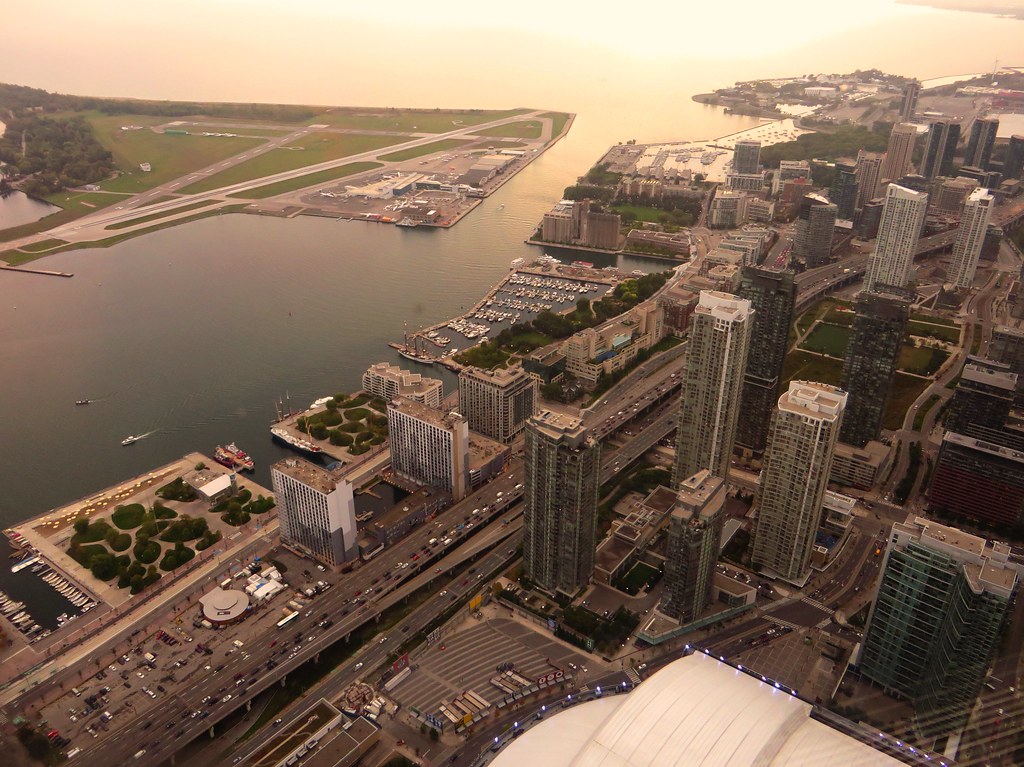
Similarly, the annual Toronto Waterfront Arts Festival, centered at Queens Quay West in the Harbourfront area, has grown since its inception in the early 1990s. It celebrates visual and performing arts with interactive installations and live music stages, activating the revitalized waterfront precinct, once an industrial zone now transformed into one of Toronto’s most scenic cultural corridors.
Both festivals are supported by local organizations such as the Kensington Market Business Improvement Area and the Harbourfront Centre, reflecting decades-long collaboration between community stakeholders and city agencies that have nurtured these cultural touchstones.
Ticket prices for special programming at the Waterfront Arts Festival range from free admission to $25 for evening concerts, making it accessible to diverse audiences. Meanwhile, Kensington Market Summer Festival remains entirely free, emphasizing inclusivity and community engagement.
For visitors and residents eager to connect with Toronto’s cultural story this weekend, the proceedings offer more than entertainment-they offer insight into the city’s layered history. Those planning to attend should note that street closures impact traffic on Augusta Avenue from Dundas Street West to College Street during festival hours, urging use of public transit routes including the 506 Carlton streetcar.
Moreover, both events showcase emerging artists alongside established performers, so attendees can witness firsthand how Toronto continues to cultivate new talent rooted in its vibrant, diverse communities. As the city prepares for upcoming festivals through late summer, the energy and success of these weekend gatherings bode well for Toronto’s cultural landscape.
Festival-goers can also explore related exhibits at the nearby Museum of Contemporary Art Toronto (MOCA) in the West Queen West neighbourhood, connecting visual arts offerings with the live cultural expressions on the streets.
Overall, this weekend serves as a living chronology for Toronto’s ongoing cultural evolution-from its roots in immigrant communities and grassroots arts movements to its present status as a global city celebrating diversity through public festivals.
How does this story make you feel?
Spread the word
About this article
Published by The Daily Toronto
Daily brief
Free, in your inbox before 7am. Weekdays.
More in culture